
Transfer Petition in Supreme Court: Process and Grounds

As long as the parties are located in dissimilar states or jurisdictions, it is common to experience practical issues in seeking justice. In order to counter such situations, there is a provision of a transfer petition under the Supreme Court of India. Litigants can also find the process easier by understanding the petition of transfer, the services of the petition drafting, and expert petition lawyers in my area. This paper describes how, the reasons, and importance of filing a Supreme Court transfer petition.
What is a Transfer Petition?
Transfer petition is a legal solution that enables a party to petition the Supreme Court to transfer a case to another. A request of transfer of this nature is usually made when the conditions render a party unable to appear in the proceedings in the jurisdiction that the other one is located. With meticulous petition writing, litigants will be able to go to the top of the mountain and request a solution that will be convenient, fair and just.
Article 136 and Article 139A of the Constitution and Article 25 of the code of civil procedure give the Supreme Court the power to hear a Supreme Court transfer petition.
Significance of Drafting Petition in Matters of Transfers
The drafting of a transfer petition is also very important in asking to make a transfer. The document should include a brief declaration of facts, the law and justifiable causes of transfer. Badly written petitions will cause the delays or even denial. Like petition lawyers near me, professional help is needed to make sure that the petition to transfer is of good structure and meets the procedure rules and convincing before the Hon'ble Court.
Quality drafting of a petition brings out the practical issues that the litigant is going through, like problems with their safety, money problem, or trouble in making an appearance in the far-off courtroom. The clarity and strength of the drafted application is the main factor that defines whether a Supreme Court transfer petition will be successful.
Reasons to File a Petition to Transfer
There are a number of legal and practical grounds on which a petition of transfer can be filed. Common grounds include:
Convenience of Parties
A transfer petition can be brought in case one of the parties, and in particular a woman or a dependent has difficulty in appearing in court in a different state.
Threat to Safety
In cases where it might put the life of a litigant at risk by appearing at proceedings in a certain jurisdiction, the Supreme Court deems this one of the valid reasons to seek relief by filing a Supreme Court transfer petition.
Avoidance of Prejudice
In case of reasonable fear of prejudice, or the possibility of local influence of the other party prejudicing fair trial, the petition to transfer can be upheld.
Multiple Proceedings
Should there be numerous cases related to the same matter pending in various courts, the Supreme Court may permit the transfer petition so as to have the cases brought together that will be efficiently adjudicated.
In this case, drafting of petitions should be done well to be able to build solid grounds with evidence. The use of the services of petition lawyers in my locality also promotes the framing of the petition of transfer.
How to File a Supreme Court Transfer Petition
A Supreme Court transfer petition filing petition entails the following procedures:
Petition Drafting - The petitioner or his/her attorney drafts a specific petition with facts, legal basis and supporting materials.
Application in Supreme Court - The application is made in the registry of the Supreme Court with the application fee and affidavits.
Notice to Opposite Party - The Court gives notice to the other party, to provide an appeal against the petition to transfer.
Hearing Before the Court - Each side of the case gives arguments. In this case, the services of the skilled petition attorneys in my area come in handy to argue the facts.
Decision Given by the Court - According to the merits, the Supreme Court can either grant or reject the Supreme Court transfer petition.
Every step involves careful writing of petitions and adherence to rules of procedure.
Role of Lawyers in Drafting Petition
It would be important that I find good petition lawyers around me to assist individuals or companies willing to submit a transfer petition. These are lawyers that specialize in the drafting of petitions and have practical experience to deal with cases before the supreme court. A good petition of transfer should go beyond the mere mention of the law and prove hardship and that there is need of action.
When litigants employ qualified petition attorneys close to their location, they will be able to better succeed in a transfer petition to the Supreme Court. They make sure that there is accuracy, compliance, and persuasive argumentation in the process.
Conclusion
The solution of filing a transfer petition at the Supreme Court is a crucial protection that is guaranteed to receive justice without undue suffering. The outcome of the remedy would greatly rely on accurate drafting of the petition, the legal strength, and the skills of the petition attorneys in my area. It is a matter of convenience, safety or prejudice avoidance but a well-laid petition of transfer can make a big difference in the case decision.
To any person who contemplates filing a Supreme Court transfer petition, consultation with seasoned professionals as soon as possible and drafting of the petition with care, can prove the difference between rejection and release. Through access to proper legal assistance, the parties will be in a position to uphold their rights and seek justice.
Latest Blog

Learn how professional legal drafting can protect your rights, prevent disputes, reduce legal risks, and strengthen your position before a case reaches court.
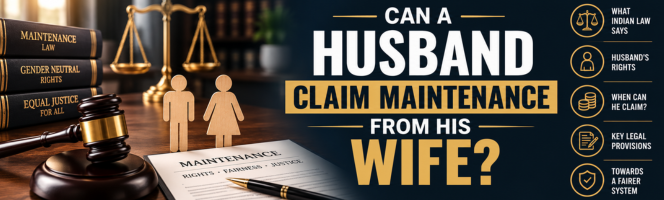
Understand when a husband can seek maintenance from his wife under Indian law. Learn about interim maintenance, financial dependency, court factors, and legal remedies.

Know the immediate steps to report online fraud, recover your money, file a cyber crime complaint, and seek legal assistance in India.

Social Media Defamation in India: What Indian Law Says explains how false statements, fake reviews, edited images, and misleading social media posts can damage the reputation of individuals and businesses.

This blog explains the importance of professionally drafted business contracts, including Vendor Contract Agreements, Client Service Agreements, and other commercial legal documents.
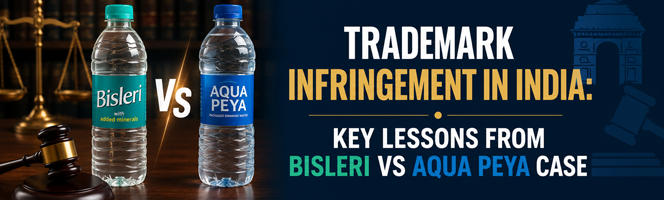
The Bisleri vs Aqua Peya trademark dispute highlights the importance of protecting intellectual property rights and maintaining a unique brand identity in India.

Explore the legal implications of AI-generated brand names, trademarks, branding risks, and the steps businesses should take to secure trademark protection.

WhatsApp chats have become an important form of electronic evidence in Indian legal proceedings, including divorce, family disputes, civil matters, and criminal cases.

This blog explains the importance of Intellectual Property (IP) protection for Instagram businesses, creators, influencers, and startups. It highlights how trademark registration helps protect brand identity, logos, content, and business reputation.