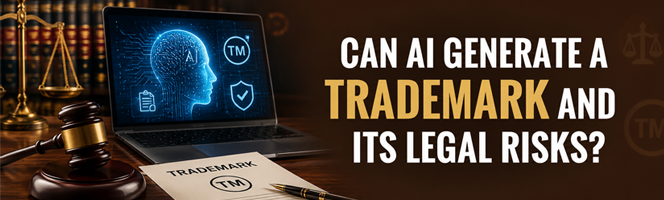
Can AI generate a trademark and Its Legal Risks?

Businesses are changing their brand-making processes with Artificial Intelligence. Artificial Intelligence is changing the brand-making process of businesses. The modern gamer of business owners nowadays are leveraging AI to create names, logos, slogans, and branding concepts for their businesses in mere seconds. This has raised a significant legal issue: Can AI be Trademark Creator?
Well, the answer is that AI can't register or own a trademark. According to Trademark Law India, the authority to apply for and hold the trademark rights are reserved for only a legal person, business entity or an individual. But businesses can leverage AI tools to generate brand names, and then file for the registration under their own brand.
Businesses need to be aware of a few AI Branding Legal Issues before using an AI-generated brand identity. Although AI tools can be convenient, there are some potential AI Branding Legal Issues that companies should be aware of before implementing an AI-generated brand identity. AI-generated names do not necessarily mean they can be used or registered in a legal way. Clearance and legal verification continue to be crucial.
1. AI Branding Legal Issues
The worry with AI-branding is that there is a chance of trademark conflicts. AI tools can generate names from existing data sets and language patterns, which can be a source of similarity with registered marks.
These AI Branding Legal Issues may result in trademark objections, trademark infringement, rebranding costs, and legal issues. Just because an AI name generates it, doesn't mean it's necessarily unique.
When considering AI Branding Legal Issues, trademark searches, checking existing trademarks, and understanding potential market confusion risks are crucial. These AI Branding Legal Issues can have serious business and legal implications.
AI branding legal issues can arise during the trademark application process when companies attempt to register a trademark based entirely on AI.AI branding legal concerns can be prevented when companies try to register a trademark without legal review. Thus, the legal due diligence process is, and will continue to be, essential even though technological improvements have taken place.
2. AI-Generated Business Name
An AI Generated Business Name is a brand name generated by AI software based on the user input, category and keyword of the business. These are the resources that can be used for a brainstorm session on creative branding ideas.
Not all of AI Generated Business Name will be considered trademarkable, though. The name should meet legal criteria for distinctiveness, uniqueness and freedom from conflict.
Businesses should ensure they do a thorough trademark search prior to adopting an AI Generated Business Name. An AI Generated Business Name might have been used by a different entity or registered already.
Business startups are often fasted and convenient, having an AI generated Business Name, but it is still advisable to get it checked by a lawyer. Failure to verify an AI Generated Business Name may lead to disputes in the future and rebranding expenses.
3. Legal challenges with AI branding
With the rise of the use of artificial intelligence have come several Legal Risks of AI Branding. There are several potential problems, including trademark infringement. The suggestions created by AI can inadvertently be similar to existing trademarks, causing potential for opposition or infringement.
Among the Legal Risks of AI Branding, another one is lack of originality. AI systems are dependent on the data they are fed, and generated names might not be original enough to be registered as trademarks.
International conflicts are also a Legal Risk of AI Branding that businesses need to be aware of. A brand name that is protected in one jurisdiction, may not be protected in another.
Other Legal Threats of AI Branding are ownership disputes, regulatory issues, and consumer confusion. Before investing in marketing and brand development, it is crucial to understand these Legal Risks of AI Branding.
4. The protection and enforcement of brand names
To get exclusive rights to a business identity, it is vital to get Brand Name Legal Protection. Trademark registration is a legal recognition and allows the trademark owner to stop competitors from exploiting the trademark.
If no Brand Name Legal Protection then companies could potentially find it difficult to enforce their rights against an imitator. The brand name generated by AI is not automatically protected from infringement, just because it's computer-generated.
It takes a series of steps to obtain Brand Name Legal Protection such as trademark clearance search, filing of the trademark, examination, publication and registration. Correctly Protecting Brands adds to a business's credibility along with the value of its brands.
For any startup using an artificial identity, it is crucial to take care of brand name legal protection to prevent future conflicts and ensure that they can continue to operate with market exclusivity.
5. Trademark for AI Generated Brand Name
If a proposed trademark meets trademark law requirements, a Trademark for AI Generated Brand Name can be registered. This doesn't mean that a name is automatically denied if the AI generates it.This does not mean that a name is automatically denied given that it was generated by AI.
First, it is essential for businesses to perform a Trademark Search to detect possible trademark infractions before registering a Trademark for AI Generated Brand Name. An application that is approved can be filed under the relevant class.
A Trademark for the AI-Generated Brand Name should be distinctive and have the ability to designate the origin of goods or services. Objections can be raised against generic or descriptive names.
Registering a Trademark for AI Generated Brand Name provides legal protection, boosts business value, and safeguards investments in the branding. For any business considering using AI-generated name, it is important to always obtain a Trademark for AI Generated Brand Name before going into the business.
Frequently Asked Questions?
1. Is it possible for AI to generate a trademark?
No. A trademark cannot be legally owned, filed or registered by AI. In the Indian Trademark Law, the owner of a trademark is an individual, company, partnership or any other legal entity. AI can help with ideation but this does not mean it takes away from the ownership of the project.
2. Is it possible to trademark a brand name created by AI?
Yes. AI-generated brand names can be trademarked as long as they are distinctive, unique, and do not infringe on existing trademarks. That isn't the source of creation that dictates registrability, it's legal compliance.
3. Is an AI generated logo eligible for trademarked Registration?
Yes. If a logo is generated by an AI and is used to identify goods and services and does not cause confusion with an existing trademark, it can be registered as a trademark.
4. Is there any legal protection for AI generated business names?
AI-generated business names are not necessarily registered. Normally, legal protection is obtained by registering a trademark and by using it in commerce and enforcing it under the provisions of applicable laws.
5. What is the process for trademarking an AI-generated brand name?
Search for trademark, assess distinctiveness, determine class of trademark, submit a trademark application, respond to objections, process trademark registration.
Latest Blog
Learn how professional legal drafting can protect your rights, prevent disputes, reduce legal risks, and strengthen your position before a case reaches court.
Understand when a husband can seek maintenance from his wife under Indian law. Learn about interim maintenance, financial dependency, court factors, and legal remedies.
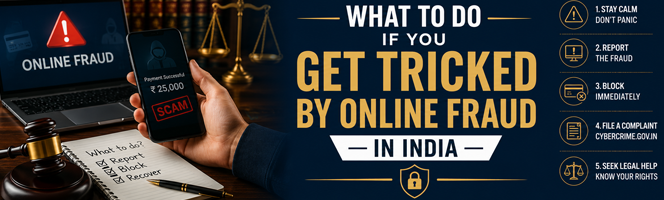
Know the immediate steps to report online fraud, recover your money, file a cyber crime complaint, and seek legal assistance in India.
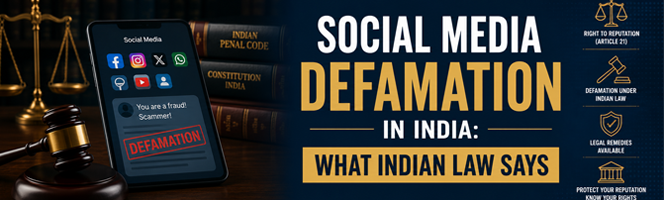
Social Media Defamation in India: What Indian Law Says explains how false statements, fake reviews, edited images, and misleading social media posts can damage the reputation of individuals and businesses.

This blog explains the importance of professionally drafted business contracts, including Vendor Contract Agreements, Client Service Agreements, and other commercial legal documents.
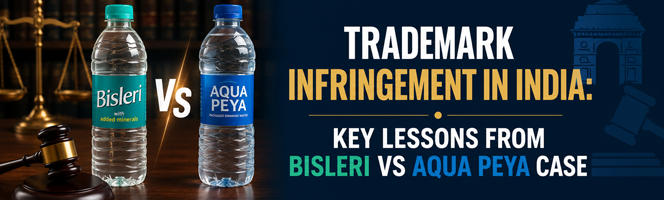
The Bisleri vs Aqua Peya trademark dispute highlights the importance of protecting intellectual property rights and maintaining a unique brand identity in India.
Explore the legal implications of AI-generated brand names, trademarks, branding risks, and the steps businesses should take to secure trademark protection.

WhatsApp chats have become an important form of electronic evidence in Indian legal proceedings, including divorce, family disputes, civil matters, and criminal cases.

This blog explains the importance of Intellectual Property (IP) protection for Instagram businesses, creators, influencers, and startups. It highlights how trademark registration helps protect brand identity, logos, content, and business reputation.