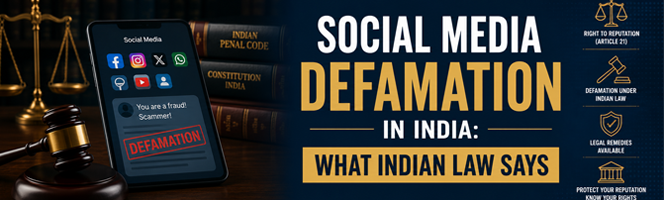
Social Media Defamation in India: What Indian Law Says

Social media has changed the way people communicate, exchange ideas and do business. It has also been a venue for spreading misinformation, fake reviews, edited photos, defamatory posts and other false accusations that can have a devastating impact on a person or business's reputation. Defamation on social media in India is a new legal issue and Indian law offers civil and criminal remedies for defamatory content that is posted on social networks. When false claims have been posted on social media and are ruining your reputation, it is important to know what you can do under the law.
Defamation on Social Media in India
Social media defamation in India is defined as the dissemination or sharing of false information on social media platforms like Facebook, Instagram, X (formerly Twitter), LinkedIn, YouTube and WhatsApp that can be used to damage the reputation of a business or person. When a statement is defamed online, it can reach thousands of people, potentially causing lasting and damaging effects, as compared with private communication. Defamatory content can cause financial damage to businesses, as well as emotional harm, career damage and humiliation to individuals.
Legal Action for Online Defamation
If a defamatory statement is published or circulated on the internet, a victim of online defamation may take legal action against the person responsible for publishing or circulating the defamatory statement. Legal response options include, of course, a legal notice, a civil lawsuit for damages, removal of defamatory content and an injunction or criminal action as appropriate, depending on the facts of the case. Not only will prompt legal response help defend your reputation, but it will also help to stop the spread of defamatory content.
It is a good idea to keep screenshots, URLs, comments, videos, emails, messages and any other electronic evidence of the fact that a publication was defamatory before starting legal proceedings. In the case of online defamation, digital evidence is a key component in establishing proof.
Online Defamation Lawyer
An experienced defamation lawyer on the web can help determine, based upon the content published, whether this constitutes defamation per the Indian defamation laws, and the best course of legal action to take. A lawyer can help with legal notices, keeping electronic evidence in place, communicating with social media to demand their content be removed, filing civil actions for damages, or, if necessary, filing criminal charges.
Legal counsel becomes especially significant when defamatory information spreads like wildfire, goes anonymous or circulates via several online profiles.
Defamation Lawyer in Delhi
In cases where the defamatory publication has already caused serious damage to your professional or personal reputation, it's wise to hire a defamation attorney in Delhi to safeguard your rights. A lawyer will be able to review the facts, determine the right legal venue, draft legal documents and act for you in front of a competent court. If a business is receiving fake reviews, false allegations, or reputation attacks on social media platforms, it is important for them to respond quickly to prevent further harm and to protect their businesses' goodwill.
Criminal Defamation in India
The Indian Nyaya Sanhita 2023 defines criminal defamation in India, replacing the provisions of the Indian Penal Code (IPC). In the event of a person inflicting harm on the reputation of another person by knowingly publishing false statements, criminal proceedings may be initiated before the competent court, depending on the facts of each case. In more serious cases where there is a deliberate misrepresentation causing damage to reputation, criminal prosecution is an alternative remedy.
Civil Defamation in India
In India apart from criminal remedies, the victim could still sue for damages in civil defamation proceedings based on the actual damages suffered as a result of the defamatory publication. Depending on the facts, courts can award compensation, injunctions barring further publication and other appropriate relief. Civil actions are especially helpful when businesses suffer financial losses or individuals suffer measurable reputational harm due to false online statements.
False Allegations on Social Media
Mistakes that are made on social media may have a significant impact on one's career, business or personal relationship. Even without a finding of guilt, allegations of fraud, misconduct, professional negligence, criminal behaviour or immoral conduct could have a significant impact on an individual's standing. Each act of publishing an online statement should therefore take place responsibly and should be based on due diligence as the publication of false statements without proof may lead to civil and criminal liability under Indian law.
Defamatory Social Media Posts, Internet Reputation harm.
Defamatory social media posts can sit on social media for long periods of time and can continue to be found in internet searches, which can have a long-term effect on online reputation. Customers and businesses can lose customers, professionals can lose jobs and people can be needlessly ridiculed by the public. Prompt legal action may be necessary to remove defamatory material, to maintain evidence and prevent further damage. Timeliness also enhances the victim's legal standing before the proper authorities.
Legal notice for Defamation
When preparing to file a lawsuit, a legal notice for defamation is typically the initial action taken prior to filing a lawsuit. The notice reminds the wrongdoer to take prompt action to remove the defamatory content, stop making false statements, apologize as appropriate, and pay the victim for damages caused by the false statements. A properly worded legal notice can often resolve the dispute, thus avoiding the potential for lengthy litigation. The other thing it does, however, is that it does provide important evidence that the misdoer was given a chance to correct his behavior before action was taken to bring legal proceedings against him.
Frequently Asked Questions
-
1. What is the meaning of defamation through social media in India?
Social media defamation happens when there is false information posted on social media platforms that damages a person or company. -
2. Is there a procedure for suing someone for defamation on social media?
Yes. You can start civil or criminal action against defamatory social media content, based on the facts. -
3. Is defamation in India considered a crime crime committed online?
Yes. If serious defamatory publications are made, it could lead to criminal liability under the relevant provisions of the Bharatiya Nyaya Sanhita, 2023. -
4. What types of evidence are needed in a social media defamation case?
Typical forms of evidence include screenshots, URLs, posts, comments, videos, emails and messages, along with times of messages. -
5. Is it possible to send a legal notice prior to filing a defamation case?
Yes. Before the Law, a legal notice could be the initial step. -
6. Why do I need the services of a defamation lawyer?
A defamation lawyer in Delhi or an expert online defamation lawyer can evaluate your case, gather evidence, send legal notices and advocate your cause in the relevant courts.
Latest Blog

Learn about BNS Section 69, including false promises to marry, criminal liability, bail options, relevant evidence, and available legal remedies.
Learn about the legal remedies available when police refuse to register an FIR for a cognizable offence under the BNSS. Understand the role of the Superintendent of Police, Magistrate, Section 173(4), Section 175(3), and Zero FIR.
Learn how professional legal drafting can protect your rights, prevent disputes, reduce legal risks, and strengthen your position before a case reaches court.
Understand when a husband can seek maintenance from his wife under Indian law. Learn about interim maintenance, financial dependency, court factors, and legal remedies.
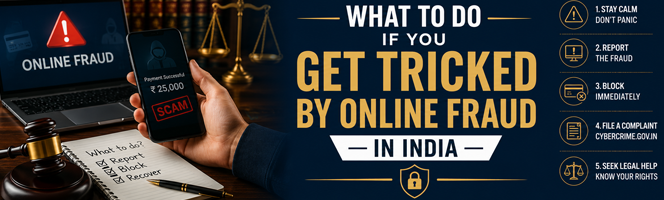
Know the immediate steps to report online fraud, recover your money, file a cyber crime complaint, and seek legal assistance in India.
Social Media Defamation in India: What Indian Law Says explains how false statements, fake reviews, edited images, and misleading social media posts can damage the reputation of individuals and businesses.

This blog explains the importance of professionally drafted business contracts, including Vendor Contract Agreements, Client Service Agreements, and other commercial legal documents.
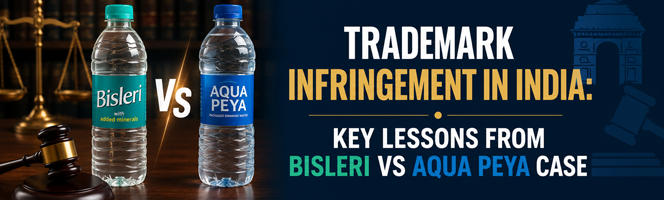
The Bisleri vs Aqua Peya trademark dispute highlights the importance of protecting intellectual property rights and maintaining a unique brand identity in India.
Explore the legal implications of AI-generated brand names, trademarks, branding risks, and the steps businesses should take to secure trademark protection.