Why Every Business Needs Strong Vendor & Client Agreements

In order to be successful, business owners will face the challenges of vendors, suppliers, consultants, service providers and clients on a daily basis. Regardless of whether you are a startup, SME or established enterprise, Vendor and Client Agreements are essential to safeguarding your commercial interests. Business disputes about payments, services, timelines, confidentiality and liabilities can arise if agreements are not properly drafted. Effective Vendor and Client Agreements offer legal clarity, set expectations, and reduce business risks.
Vendor and client agreements
Vendor and Client Agreements are the legal contracts that businesses enter into with the others they deal with. These agreements include rights, responsibilities, payment, deliverables, dispute resolution, confidentiality and termination rights.
All organisations should get their Vendor and Client Agreements professionally drafted as a way of establishing certainty and minimising misunderstandings. To ensure business runs smoothly and to safeguard the legal and financial interests of the business, a Vendor and Client Agreement should be used when dealing with suppliers or customers.
Vendor Contract Agreement
A Vendor Contract Agreement is an agreement between a business and a vendor/supplier. It defines in clear terms the scope of work, the price, the delivery schedule, the payment terms and conditions, the warranties, the quality standards, the indemnity and the rights to terminate.
All Vendor Contract Agreements should be specific to the contract type instead of generic. A well-crafted Vendor Contract Agreement helps to alleviate commercial risks and establishes a clear understanding of the obligations of both parties from the outset.
For businesses that place regular orders, it is important to have a Vendor Contract Agreement for all significant contracts that have been reviewed and signed by both parties.
Client Service Agreement
A Client Service Agreement outlines the services that a business will offer to its clients. It sets out the timelines, costs, scope of work, ownership of IP rights, confidentiality, payment terms, limitation of liability and dispute resolution.
This Client Service Agreement is designed to safeguard and clearly define the expectations of both parties, the service provider and the client, reducing any ambiguity. Any professional service organization, consultant, agency, IT company or freelance should always use a Client Service Agreement when beginning services.
Properly drafted Client Service Agreement also aids to keep business relationships strong by making sure that the business terms are well documented.
Business Contracts: Legal Contracts for Businesses.
For any business that is expanding, Legal Contracts for Business is important for managing business relationships. Contracts minimize risk and offer legal recourse if the contract is not fulfilled.
Examples of common legal contracts for businesses are:
- Vendor agreements
- Client agreements
- Employment agreements
- Confidentiality agreements
- Licensing agreements
- Distribution agreements
- Partnership agreements
- Service contracts
Well-drafted Legal Contracts for Business also help streamline business operations, as both parties are aware of their responsibilities from the start. The costs of investing in quality Legal Contracts for Business are much less than the costs of resolving commercial disputes through litigation.
Business Legal Documents
In addition to agreements, all organizations should have key Business Legal Documents in place to assure adherence to the regulatory environment and ensure the organization's stability. These include:
- Board resolutions
- Privacy policies
- Terms and conditions
- Employment documents
- IP assignments
- Compliance policies
- Commercial contracts
Keeping the Business Legal Documents current ensures that businesses are legally ready in the event of a business audit, investments, acquisitions or dispute resolution. Well-crafted Business Legal Documents also make an investor, customer or a regulator feel more confident.
It's important for every organization to review their Business Legal Documents periodically to make sure they stay in line with the evolving laws and also business needs.
Business Contract Drafting
Drafting a business contract by a professional business contract lawyer is much more than just filling in blanks. Each commercial deal is accompanied by its own set of risks and legal requirements which demand customized contractual provisions.
Clear definitions, payment obligations, limitation of liability, indemnity clauses, confidentiality provisions, force majeure clauses, termination rights, governing law and dispute resolution mechanisms are all important elements of effective business contract drafting.
It is always advisable to get expert help when drafting a business contract to prevent any ambiguity which could result in litigation. Good Business Contract Drafting helps to ensure the protection of commercial interests and the long-term business relationship.
Vendor Agreement Lawyer
A seasoned Vendor Agreement Lawyer knows both the business landscape and legalities. A Vendor Agreement Lawyer provides assistance in negotiating the best terms in vendor agreements, spotting legal dangers, investigating vendor liabilities and making certain compliance with relevant legislation.
Getting a seasoned Vendor Agreement Lawyer to review crucial agreements prior to signing them can help avoid costly conflicts down the road. A Vendor Agreement Lawyer also works on updating current agreements as the needs of the business change.
Businesses will enjoy more contract certainty and legal protection when they have their Vendor Agreement Lawyer do a professional review.
Frequently Asked Questions?
1. Why is it that vendor agreements are important?
Commercial risks are reduced with clear vendor agreements regarding the rights, responsibilities, pricing, payment terms and delivery obligations, quality controls and dispute resolution.
2. What should be contained in a vendor agreement?
The scope of services, pricing, payment terms, timelines, confidentiality, warranties, indemnity, limitation of liability, termination provisions, governing law and dispute resolution clauses should be covered in a vendor agreement.
3. Why every business requires a client contract?
A client agreement sets out parameters of what is expected, fees, timelines, the ownership of the IP, the confidentiality, and legal remedies in the event that there is a violation of the agreement, which helps protect both parties.
4. Do you need to have a document signed?
While some contracts might be enforceable even if not in writing, it is far better to have a written contract as it gives far greater clarity of the intent of the parties and reduces the risk of disputes.
5. If there is no client contract, what will happen?
In the absence of a client contract, payment, scope of work, timelines, ownership of deliverables, confidentiality and liability issues are much more difficult to resolve and can lead to expensive litigation.
6. What do vendor contracts safeguard businesses?
Vendor agreements serve to protect businesses in a variety of ways, including the allocation of risk, definition of contractual obligations, limitation of liability, protection of confidential information, and the creation of contractual remedies in the event of a default or breach.
Latest Blog
Learn how professional legal drafting can protect your rights, prevent disputes, reduce legal risks, and strengthen your position before a case reaches court.
Understand when a husband can seek maintenance from his wife under Indian law. Learn about interim maintenance, financial dependency, court factors, and legal remedies.
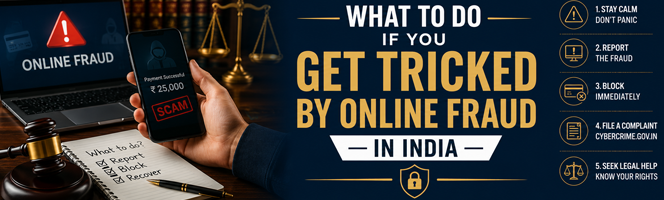
Know the immediate steps to report online fraud, recover your money, file a cyber crime complaint, and seek legal assistance in India.
Social Media Defamation in India: What Indian Law Says explains how false statements, fake reviews, edited images, and misleading social media posts can damage the reputation of individuals and businesses.
This blog explains the importance of professionally drafted business contracts, including Vendor Contract Agreements, Client Service Agreements, and other commercial legal documents.
The Bisleri vs Aqua Peya trademark dispute highlights the importance of protecting intellectual property rights and maintaining a unique brand identity in India.
Explore the legal implications of AI-generated brand names, trademarks, branding risks, and the steps businesses should take to secure trademark protection.

WhatsApp chats have become an important form of electronic evidence in Indian legal proceedings, including divorce, family disputes, civil matters, and criminal cases.

This blog explains the importance of Intellectual Property (IP) protection for Instagram businesses, creators, influencers, and startups. It highlights how trademark registration helps protect brand identity, logos, content, and business reputation.