
Understanding The Transfer of Petition

The Indian legal system is immense and complex in nature whereby justice is not only administered but is also seen to have been administered fairly and without bias. In this regard, the law offers a number of procedural safeguards to meet this goal such as transfer of petitions. This is a legal process that enables transfer of a certain case in one court to another under certain conditions due to the need of a fair trial, convenience of the parties, and proper administration of justice.
This blog details the notion of transfer petitions in India, the legal structure behind its application, the reasons why such petitions can be submitted, the legal procedure that can be used to accomplish it, and how a professional legal service, like that provided by LawChef, can be used to negotiate it.
What Is a Transfer Petition?
Formal legal application requesting that a case is transferred to another court is known as a transfer petition. This can be between courts in the same state, different states, a subordinate court to a High Court or to even the Supreme court of India, depending on the nature of the case and jurisdiction.
The major aim of transfer petition is to make justice delivered in the most suitable court. Transfers may be permitted when a continuation of the proceedings in the court of origin will lead to prejudice, inconvenience, delay or jeopardise the fair trial process.
In India, the transfer of cases has statutory recognition. Transfer of civil cases lies in Section 25 of the Code of Civil Procedure, 1908, and criminal cases in Section 406 of the Code of Criminal Procedure, 1973. The high Courts too have the same powers of transferring cases within their territorial jurisdiction.
Legal Reasons to file a transfer petition
Arbitrary filing of a transfer petition is not possible. It takes solid, authentic and substantiated reasons to make the courts exercise their discretion. The most popular grounds are discussed below.
Fear of Bigotry or Want of Fair Hearing
A reasonable apprehension that a just and fair trial cannot be obtained in the present court is one of the most important reasons under which a transfer should be requested. This can be as a result of influence of the locals, media pressure, past behavior of parties, or any situation that can bring in jeopardy judicial neutrality.
The acceptance of such pleas is always wary in courts and material facts are necessary to prove the apprehension. It is not possible to suspect or be dissatisfied with previous orders.
Convenience of the Parties
The factor of convenience is also significant especially with civil and matrimonial disputes. In cases where the parties are in other states or far away they may find it unnecessary to attend court hearings hence undue hardship especially to women and the aged and those with low-income earners.
In this case, the courts can move the case to a more accessible and convenient place where both parties have equal chances to participate in the process.
Issues of Jurisdiction and Multi-Forum
Some of them are multiple jurisdictions or other related cases that are being awaited in various courts. In order to prevent the possibility of conflicting judgments and redundancy of proceedings, courts can permit the transfer of cases to one appropriate court.
Transfer petitions are important to consolidate a dispute and enhance judicial efficiency.
Safety and Security Concerns
In the criminal issues especially those that are of high offenses like organized crime, terrorism or politically sensitive cases, the security of the witnesses, victims or even the suspect might be compromised.
In case of credible threats, the courts can demand the transfer of proceedings to a safer jurisdiction to safeguard the integrity of a trial and ensure that all stakeholders remain safe.
Delay and Inefficiency of Administration
Inappropriate delay caused by congestion on the docket, inability of the judiciary or administrative limits May also warrant filing the transfer petition. Courts are aware of the fact that justice delayed is justice denied and can transfer cases to less congested courts so that they can be conceived in a swift manner.
Process of Filing a Transfer Petition
There are a number of procedural steps which should be followed when filing a transfer petition in order to maintain its admissibility and efficacy.
Drafting the Petition
It starts with writing a comprehensive and properly designed petition. In the petition, the facts of the case should be stated clearly as well as the legal reasons why the transfer is sought and why justice would be served better in a different court. The claims are usually supported with appendages of documents and affidavits.
Drafting must be accurate and clear and the courts will be meticulous in examining transfer petitions.
Filing before the appropriate Court
The application should be made to the court that will have the power to direct the transfer. In the event of the transfer request between courts in various states, the petition is before the Supreme Court. In case the transfer occurs within the same state, the jurisdiction of the High Court arises.
Hearing and Judicial Consideration
At the hearing, both parties are provided with a chance to argue their points. The court looks at the reasonableness, authenticity/ legitimacy of the grounds raised to determine whether a transfer is justified.
The court considers the interests of the justice, convenience of parties and judicial discipline and makes a decision.
Passing of Transfer Order
In case the court is convinced, it issues formal order commanding the transfer of the case to the identified court. This order is binding and it should be obeyed by all the lower courts and authorities involved.
How LawChef Helps in Transfer Petitions
Of course, it may be quite difficult to overcome the procedural and legal difficulties of a transfer petition without the help of a professional. LawChef is a one-stop solution throughout the process.
Expert Legal Consultation
LawChef can provide decent legal counsel to know whether a transfer petition should be filed in a given situation. The legal team analyzes the facts, finds grounds that have validity, and advises how to use the legal strategy best.
Drafting and Filing of Professionals
It takes legal accuracy and experience in drafting a transfer petition. LawChef pays attention to every petition being drafted to perfection and possessing the proper legal substance, accompanied by facts and documents, so that it stands a higher chance of success.
Court Representation
Where the hearings are to be held, LawChef offers expert legal services in front of the corresponding court. The proponents have experience on how to make arguments and convincingly respond to the judicial issues pertaining to transfer requests.
Post-Order Compliance and Follow-Up
Once a transfer order is passed, LawChef helps in facilitating good procedural compliance such as communication between courts, transfer of records, and coordination to eliminate unnecessary delays.
End-to-End Legal Support
In addition to the transfer petition, LawChef will assist the clients in the next step in the transferee court and will offer legal advice and representation to them throughout the process.
Conclusion
Transfer petitions- A crucial procedural protective mechanism within the Indian legal framework, which is aimed at promoting justice, handiness and efficient service of justice. A case can be heard in the most appropriate forum whether the issue is bias, inconvenience, safety, jurisdictional conflict or delay, a well-founded transfer petition can serve to make sure that a case is heard in the most appropriate forum.
Such relief is discretionary, which means that it has to be considered carefully, drafted accurately, and represented by an advocate. Through qualified legal advice, litigants are able to go through the transfer process without certainty and protection of their right to a fair trial.
Latest Blog

Learn about BNS Section 69, including false promises to marry, criminal liability, bail options, relevant evidence, and available legal remedies.
Learn about the legal remedies available when police refuse to register an FIR for a cognizable offence under the BNSS. Understand the role of the Superintendent of Police, Magistrate, Section 173(4), Section 175(3), and Zero FIR.

Learn how professional legal drafting can protect your rights, prevent disputes, reduce legal risks, and strengthen your position before a case reaches court.

Understand when a husband can seek maintenance from his wife under Indian law. Learn about interim maintenance, financial dependency, court factors, and legal remedies.

Know the immediate steps to report online fraud, recover your money, file a cyber crime complaint, and seek legal assistance in India.

Social Media Defamation in India: What Indian Law Says explains how false statements, fake reviews, edited images, and misleading social media posts can damage the reputation of individuals and businesses.

This blog explains the importance of professionally drafted business contracts, including Vendor Contract Agreements, Client Service Agreements, and other commercial legal documents.
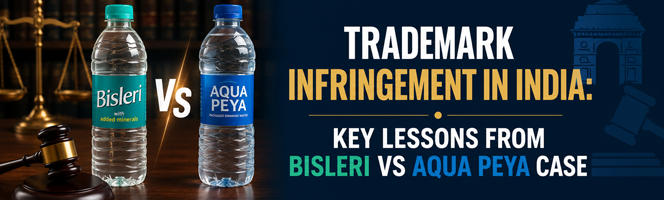
The Bisleri vs Aqua Peya trademark dispute highlights the importance of protecting intellectual property rights and maintaining a unique brand identity in India.

Explore the legal implications of AI-generated brand names, trademarks, branding risks, and the steps businesses should take to secure trademark protection.