
The Basics of Drafting a Legal Petition: A Comprehensive Guide

One of the most basic skills in the legal practice is drafting a legal petition. As a representative of a client, or as the client itself who is seeking justice in court, you must know the art and science of drafting a petition. A petition refers to an official written demand presented in front of a court or a competent body demanding a given legal assistance on the basis of facts, law, and circumstances of a case. The manner in which the case is drafted can also be seen as the ultimate measure of how the court views the case during its very initial hearing.
Although this process can slightly differ in cases when it comes to a civil, criminal, constitutional or contractual issue, the general principles of drafting petition are still very similar. A well-crafted drafting of the law, clarity of facts, and accurate drafting of law are important in promoting the possibility of the effective entertaining of a petition. When petition is prepared properly, the whole litigation has a good foundation, and when it is done poorly some petition gets dismissed or they may be opposed and this undue delay taken.
This guide discusses what is needed to write a legal petition and why this is necessary, the importance of drafting and the relevance of professional knowledge in the drafting of petitions.
Meaning and Importance of Drafting a Legal Petition
Drafting of petition is the procedure of presenting a grievance in a formal way in front of the court and seeking the court intervention. It tells the material history, establishes lawful rights, establishes infractions, and strives to find proper redress. Essentially, a petition brings a difference between facts and law.
In the law drafting, a petition is not just an account of events. It is a legal document that has been properly prepared and compiled by fact, evidence, statute law and precedents. The petition is very crucial because the courts need to know the issue and hence legal writing has to be precise, clear, and legal.
As an example, drafting petition is vital in such issues of contractual litigation like breach of a service agreement. The petition should state the agreement clearly, emphasize on the breach and defend the requested relief. Any confusion or discrepancy in the making of petition will undermine the case.
Essential Components of Drafting a Legal Petition
Writing a successful petition is organized. All the sections have their particular legal sense, and they help the court to interpret the issue in a logical way.
1. Title and Cause Title
Any drafting petition should have a good title. This consists of the court name, jurisdiction, type of the case and the parties. Proper legal wording at this point will facilitate proper identification of the issue, and procedural objections.
An example is that a petition concerning a contract matter can be named as a Petition to Enforce Service Agreement.
2. Introduction and Background
The initial section of drafting of petition basically gives a cursory introduction of the petitioner, respondent and the dispute in question. This part predetermines the tone of the petition, and justifies why the intervention of the court is needed.
In the law making process, this section should be factual, not biased, and argumentative. Properly written introduction makes the court understand the nature of the case within a short time.
3. Statement of Facts
The drafting of petition is supported by the statement of facts. It gives a chronological and rational account of events that gave rise to the conflict. The facts should be presented in a straightforward manner, in a truthful and not exaggerated way.
Useless information must not be included in the legal writing. Only the facts, which are directly related to the claim of law, are to be included. As an example, during drafting of petition in case of violation of contract, it is important to emphasize the execution of the agreement, the responsibility of the parties, violation and the previous correspondence.
4. Legal Grounds
This part is a measure of the actual art of petition writing. In this instance, the petitioner has illustrated the legal grounds of the argument by citing statutory provisions, regulations and judicial precedents. Formulation of law needs a proper connection between the facts and the law.
The Indian Contract Act, 1872, and other applicable case laws can be relied on, in matters of contracts. Credibility of the petition can be enhanced by a good legal draft work on this section.
5. Prayer for Relief
Prayer clause is an extremely crucial device of drafting petition. It stipulates the relief that is requested by the court. The reliefs could also involve directions, injunctions, damages, enforcement of rights and any other remedy that is within the law.
Remedies cannot be given by courts greater than the one that is requested. Hence, petition drafting should be made so as to assure that the prayer being drafted is accurate, legal and harmonious with the facts pleaded.
6. Verification and Affidavit
Any drafting petition ends with a verification clause that the contents are true. This is a law necessary condition in writing law. The petition is signed by the petitioner or the authorised counsel, date and place.
Unprofessional verification might make the petition flawed, thus the need of technical accuracy in legal writing.
Role of a Lawyer in Drafting the Petition
Professional help is important in the draft of petition. A lawyer with experience has knowledge on drafting of law, procedures and practices in courts. A lawyer will get the petition in agreement with the rules that will be used in the statutes and he/she will make sure that the petition is written in a way that will be legally convincing.
Proficient petition writing is used in the complicated issues in which the contract, service agreement, or even constitutional issues are raised to prevent technical objections and enhance the position of the client. The lawyers also make sure that the legal drafting is uniform, accurate and backed up with the relevant case laws.
Besides, correct formulation of petition depicts professionalism and seriousness, which usually affects the first impression of the case by the court.
Common Mistakes to Avoid in Drafting Petition
Inappropriate formatting, vague facts, misconstrued legal clauses, or over the top emotional appeal are often the cause of poor drafting of petition. Composing law does not demand narrative, but legal argument.
Repetitions, contradictions, and unsubstantiated allegations should be avoided in the drafting of the law. All the statements in the petition must be legal in nature.
Conclusion
A legal petition is an element of legal practice and litigation. To achieve the successful drafting of a petition it is important to have a balance between factual clarity, sound drafting law and structured legal drafting. Since the title up to the verification, all sections of drafting of petition should be well written against the scrutiny of the judiciary.
Whether the matter involves enforcement of a service agreement, contractual disputes, or any other legal issue, proper drafting petition can significantly impact the outcome of the case. Seeking assistance from a competent lawyer ensures that the petition is not only legally correct but also strategically strong.
In conclusion, mastering drafting petition is essential for anyone engaging with the legal system. A well-drafted petition reflects preparation, credibility, and respect for the judicial process—making it a decisive factor in achieving justice.
Latest Blog

Learn about BNS Section 69, including false promises to marry, criminal liability, bail options, relevant evidence, and available legal remedies.
Learn about the legal remedies available when police refuse to register an FIR for a cognizable offence under the BNSS. Understand the role of the Superintendent of Police, Magistrate, Section 173(4), Section 175(3), and Zero FIR.

Learn how professional legal drafting can protect your rights, prevent disputes, reduce legal risks, and strengthen your position before a case reaches court.
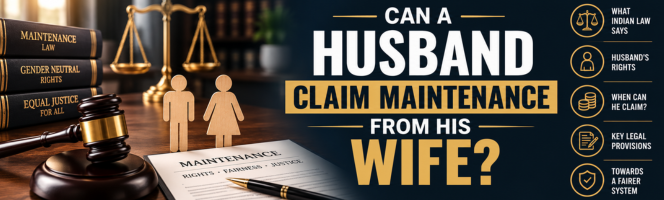
Understand when a husband can seek maintenance from his wife under Indian law. Learn about interim maintenance, financial dependency, court factors, and legal remedies.

Know the immediate steps to report online fraud, recover your money, file a cyber crime complaint, and seek legal assistance in India.

Social Media Defamation in India: What Indian Law Says explains how false statements, fake reviews, edited images, and misleading social media posts can damage the reputation of individuals and businesses.

This blog explains the importance of professionally drafted business contracts, including Vendor Contract Agreements, Client Service Agreements, and other commercial legal documents.
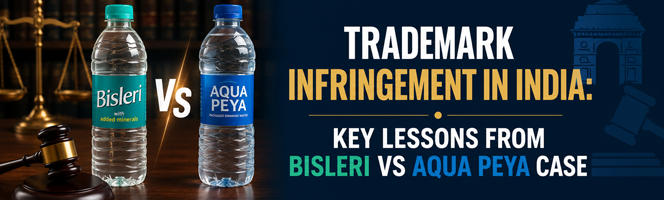
The Bisleri vs Aqua Peya trademark dispute highlights the importance of protecting intellectual property rights and maintaining a unique brand identity in India.

Explore the legal implications of AI-generated brand names, trademarks, branding risks, and the steps businesses should take to secure trademark protection.