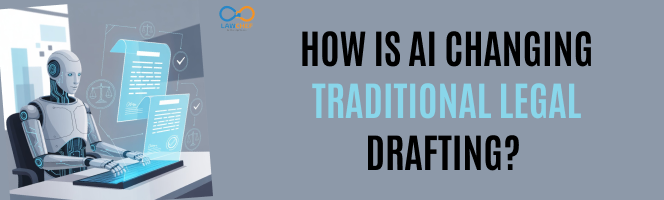
How is AI Changing Traditional Legal Drafting?

There is a technological shift in the legal profession, and the element of artificial intelligence is taking the leading role in transforming the old drafting methods. During decades, manual research, comparison of precedents, and structuring of the clauses one by another was needed to create a contract. Nowadays, AI tools make the process of drafting legal contracts more efficient, simplified, and help a contract drafting lawyer or contract writing lawyer to provide his or her work more quickly and more precisely.
In spite of these developments, AI does not substitute human knowledge. Rather, it assists lawyers to write agreement deed and those who are engaged in writing service agreement by lessening the repetitive work and enhancing document uniformity.
Automation in Drafting a Contract
Historically, the process of contract drafting presupposed the examination of the past agreements, the reworking of the clauses, and the adherence to the legal norms. The current AI applications save time and can help by creating structured templates and libraries of clauses, which greatly shorten turnaround time.
The AI could propose common indemnity and limitation of liability terms, and dispute resolution methods in the drafting of a legal contract in the modern world. Nevertheless, a contract drafting attorney still needs to ascertain commercial intent and make the contract legally binding.
Although AI will make the contract writing process faster, this does not imply that a contract writing lawyer will be unnecessary to oversee the process and ensure that the clauses are modified to suit the business goals. In the same manner, drafting agreement deed lawyers use AI tools to be efficient but use their legal reasoning to conclude with the terms.
Improving Accuracy in Drafting of Legal Contracts
The increased accuracy is one of the significant benefits of AI in the process of drafting legal contracts. The AI systems are able to identify inconsistencies, clauses omissions and ambiguous language. That would greatly eliminate the chances of disagreements based on ill-conceived agreements.
During the preparation of service agreement, e.g. AI can automatically verify that the terms of payment correspond to the termination clauses. Nevertheless, an expert in the writing of the contract directs that the paper meets the requirements of the Indian law and the industry-specific rules.
Although AI helps in drafting a contract, a lawyer who is specializing in contract writing requires to go through every provision and capture negotiated terms. Drafting agreement attorney also rely on professional judgment to solve more complex issues in the law that AI cannot independently solve.
Speed and Efficiency in Drafting of Service Agreement
Through AI technology, the time needed to prepare the service agreement and other business papers is significantly decreased. With the help of trained models, AI can produce preliminary versions in a few minutes.
To companies with numerous transactions, this innovation makes it easier to write a contract making it a quick and smooth process. Nevertheless, the lawyer, who drafts contracts, has to tailor these contracts in order to face certain risks.
An AI-generated drafts contract writing lawyer uses a combination of AI-generated drafts and negotiation experience in professional practice. Similarly, the drafting agreement deed lawyers are also using AI to be efficient but apply their knowledge to make sure that the legal contract drafting should be meeting the enforceability.
Risk Analysis and Clause Optimization
The AI systems can analyse the previous litigation history and draw out the risky clauses in a contract. This has largely improved the process of drafting the legal contracts as it aids the professionals to foresee possible conflicts.
In writing a contract, AI can demonstrate peculiarities of the indemnity or unfavourable jurisdiction. Nevertheless, a contract drafting attorney considers whether or not such risks are commercially viable.
AI can propose balanced terms during the drafting of service agreement, but the legal expertise of a contract writing lawyer can provide an agreement, which is in line with business priorities. Finally, agreement deed lawyers are also in charge of ultimate risk evaluation and adherence inspection.
Standardization and Consistency
AI facilitates standardization of legal contract writing by ensuring that terms used are similar in all the documents. This can be very helpful especially to organizations that engage in repetitive transactions in service agreements.
In big time business dealings, it is common to have drafting of a standard contract format to eliminate ambiguity. Nonetheless, the lawyer involved in the drafting of contract will make sure that standardized templates will be adapted to the single situations.
An experienced contract writing lawyer can avoid excessive dependence on automation through the refinements of AI-generated content. Equally, drafting agreement deed lawyers make sure that standardized clauses do not contradict to the definite client demands.
Limitations of AI in Legal Drafting
Although AI facilitates the creation of a contract, it cannot substitute law interpretation and negotiation. AI is not as understanding of the context as one would expect in drafting sensitive legal contracts.
As an example, AI might be incapable of grasping regulatory subtleties or changing case law during the formulation of service agreement. The gap is filled by a contract drafting attorney who employs professional experience.
In even automated systems, a lawyer specializing in contracts writing should check the legality of all the clauses. As such, drafting agreement deed lawyers are immune to technological aid.
The Evolving role of Contract Drafting Lawyer
Otherwise, AI is not excluding the roles of legal professionals, but it is transforming them. The law firm that deals with contract drafting is no longer concentrated on repetitive formatting work but on strategic advice and risk assessment.
With sophisticated law contract formulation, technology will deal with pre-structuring, whereas the contract formulation attorney will see to it that every clause of the contract is complementary to the business goals of the client.
In the process of preparing service agreement, AI can assist in the compilation of the structure, and the lawyer preparing the agreement finishes the document to make it enforceable and understandable.
Conclusion
The use of AI is revolutionizing the use of traditional practices which involve the speed, consistency and data driven drafting of a contract. It improves the efficiency in legal contract drafting and assists the drafting of service agreement of industries.
Nevertheless, the skills of a contract writing lawyer and a drafting lawyer in a contract are still at the center of the legal effectiveness and strategic suitability. Although AI may help in the current drafting process, the lawyers who draft the deed of agreement still offer the human judgment that is critical and provides enforceable and commercially viable agreement.
The future of law drafting will be in the balanced combination of artificial intelligence with professional knowledge of the law.
Latest Blog
Learn about BNS Section 69, including false promises to marry, criminal liability, bail options, relevant evidence, and available legal remedies.
Learn about the legal remedies available when police refuse to register an FIR for a cognizable offence under the BNSS. Understand the role of the Superintendent of Police, Magistrate, Section 173(4), Section 175(3), and Zero FIR.
Learn how professional legal drafting can protect your rights, prevent disputes, reduce legal risks, and strengthen your position before a case reaches court.
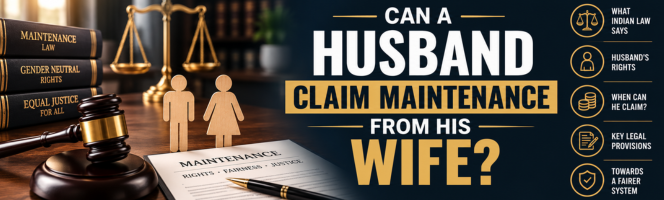
Understand when a husband can seek maintenance from his wife under Indian law. Learn about interim maintenance, financial dependency, court factors, and legal remedies.

Know the immediate steps to report online fraud, recover your money, file a cyber crime complaint, and seek legal assistance in India.
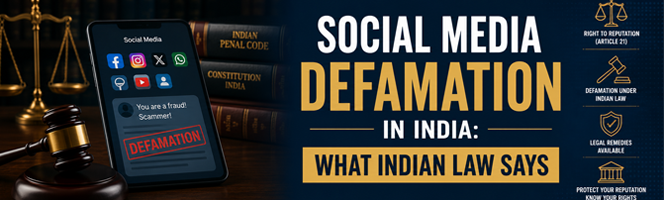
Social Media Defamation in India: What Indian Law Says explains how false statements, fake reviews, edited images, and misleading social media posts can damage the reputation of individuals and businesses.

This blog explains the importance of professionally drafted business contracts, including Vendor Contract Agreements, Client Service Agreements, and other commercial legal documents.
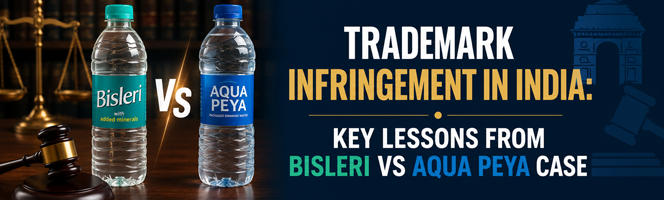
The Bisleri vs Aqua Peya trademark dispute highlights the importance of protecting intellectual property rights and maintaining a unique brand identity in India.
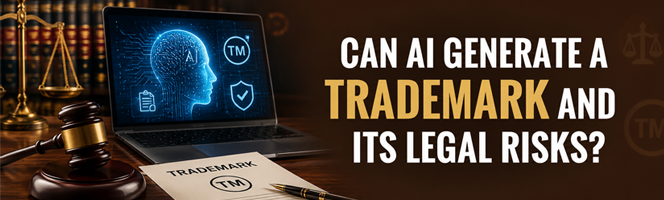
Explore the legal implications of AI-generated brand names, trademarks, branding risks, and the steps businesses should take to secure trademark protection.