
Police Not Registering FIR? Legal Remedies Available Under BNSS in India
It is a crucial step to get the information, when it reveals a cognizable offence, to file an FIR. The Bharatiya Nagarik Suraksha Sanhita, 2023 (BNSS) is a law in place for reporting cognizable offences and seeking remedy when the police do not register a First Information Report (FIR). Information about an offence which is cognizable may be provided to the officer in charge of a police station, whether by means of electronic communication or otherwise, in accordance with the provisions of section 173 of the Police Act.
In case of any problem of non- registering of FIR by police, the law has provided further options with the Superintendent of Police and if applicable with the Magistrate.
FIR not registered by the Police: What Can you do?
If the police refuses to register an FIR, the complainant should make sure that the information regarding the alleged cognisable offence has been submitted correctly at the police station concerned. The complaint should provide a description of the incident, dates and persons involved and the alleged criminal act, and supporting documents, if any, should be attached to the complaint.
Section 173(4) BNSS gives a statutory remedy in the event the police refuse to record the information. The complainant can send the substance of the information in writing and by post to the Superintendent of Police. When the Superintendent of Police is satisfied that the information provides any details of a cognizable offence the matter may be dealt with in accordance with the BNSS.
Refusal to Register FIR under BNSS
Section 173(4) is targeted at the issue of not registering a FIR under BNSS. As per this provision, if the officer of the police station refuses to record information regarding a cognizable offence, the aggrieved person can approach the Superintendent of Police.
A copy of the complainant's original complaint, acknowledgment, postal receipt or other evidence of submission of a complainant's complaint should be retained. Other legal remedies may be necessary and these records can be important.
Legal remedies in case of refusal of FIR
Reversing a refusal of an FIR isn't restricted to the local police station. Upon taking the necessary precautionary measures before the competent police authorities, a person can approach the competent Magistrate with any application, provided that the circumstances dictate an application.
Section 175(3) BNSS sets out a procedure to be followed by the Magistrate, subject to the requirements of the statute, in the event of them considering an order for investigation.
Section 173(4) BNSS, Magistrate Remedy
One of the important remedies provided by Section 173(4) BNSS is where the police station refuses to note information about a cognizable offence. Complainant may submit the information to the Superintendent of Police in writing and mailed to the Superintendent of Police.
In case of failure to resolve, the complainant can turn to the competent Magistrate for help. The Magistrate has the jurisdiction to consider an application for investigation under Section 175(3) of the Act in accordance with the relevant provisions of law.
Cognizable Offence FIR Registration and Zero FIR under BNSS
Section 173 BNSS provides for recording information for cognizable offence registration of FIR. Under the provision, information can be provided regardless of the locality of the offence in question, within the statutory provisions and rules. It also recognises electronic communication for giving such information.
This is the statutory provision for what is often known as a Zero FIR under the BNSS that information regarding a cognizable offence can be recorded even if the territoriality later makes it necessary to transfer the matter to the appropriate police station.
A cognisable offence cannot be unnecessarily delayed because of doubts as to territorial jurisdiction.
Documents to Keep When Police Refuse to Register an FIR
In case of facing any FIR registration rights in India then keep a copy of every complaint and supporting details. This may contain the written complaint, acknowledgment or diary number, postal receipt, emails, electronic submission record, photos, and videos or medical documents and other relevant evidence.
Keeping a copy of the previous complaint and the Police's refusal will help to build the chronological history of the complaint.
Online FIR and Police Complaint Procedure in India
Police complaint in India is based on the nature of the alleged offence. If information reveals a cognizable offence, then Section 173 BNSS will also outline the appropriate framework for recording information. If it is not done, the remedy provided in Section 173(4) is for the complainant to use.
Availability of an online FIR in India or online complaint facility may vary from police department to police department. Under the prescribed conditions, electronic communication is acknowledged as a means for providing information regarding cognizable offences, under the BNSS. Complainants are accordingly advised to keep documentary evidence of electronic filing and do any formalities as may be required.
Can a Magistrate Direct Investigation?
A person can come to the competent Magistrate if the requirements in the statute are met. Under Section 175(3) BNSS, there is a provision that allows the Magistrate to make an order in respect of investigation. The Magistrate shall consider the application and relevant material in accordance with the relevant law and is not bound to make any direction to investigate in all cases.
Hence, in the absence of FIR getting registered by police despite prescribed procedures, securing appropriate legal assistance can help decide the appropriate remedy under the procedure.
Why Choose LawChef?
LawChef offers expertise in preparing FIRs, Police complaints, Legal Notices, Magistrate applications and Criminal law remedies. Lawyers can assist in reviewing the facts and documents, drafting an appropriate complaint, and navigating the BNSS FIR registration process, as well as other remedies if the police fail to take appropriate action.
Frequently Asked Questions
1. What can I do if the police refuse to register my FIR?
Site visits are possible to the Superintendent of Police under section 173(4) BNSS and the competent Magistrate as appropriate.
2. Which section of the BNSS deals with Refusal to file an FIR?
The remedy for refusal to record information relating to a cognizable offence is found in Section 173(4) BNSS.
3. Can I approach the Superintendent of Police if the police station refuses my FIR?
Yes. The information can be passed on by writing and by posting to the Superintendent of Police under Section 173(4).
4. Does a Magistrate have the power to order an investigation?
The Magistrate may consider an order for investigation under section 175(3) on the basis of the requirements that will apply.
5. Is there a Zero FIR in the BNSS?
Under Section 173, it is mandatory to share information about a cognizable offence, irrespective of the area where the offence took place, subject to the law.
Latest Blog

Learn about the legal remedies available when police refuse to register an FIR for a cognizable offence under the BNSS. Understand the role of the Superintendent of Police, Magistrate, Section 173(4), Section 175(3), and Zero FIR.

Learn how professional legal drafting can protect your rights, prevent disputes, reduce legal risks, and strengthen your position before a case reaches court.

Understand when a husband can seek maintenance from his wife under Indian law. Learn about interim maintenance, financial dependency, court factors, and legal remedies.

Know the immediate steps to report online fraud, recover your money, file a cyber crime complaint, and seek legal assistance in India.

Social Media Defamation in India: What Indian Law Says explains how false statements, fake reviews, edited images, and misleading social media posts can damage the reputation of individuals and businesses.

This blog explains the importance of professionally drafted business contracts, including Vendor Contract Agreements, Client Service Agreements, and other commercial legal documents.
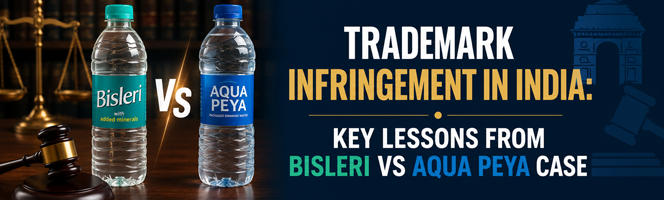
The Bisleri vs Aqua Peya trademark dispute highlights the importance of protecting intellectual property rights and maintaining a unique brand identity in India.

Explore the legal implications of AI-generated brand names, trademarks, branding risks, and the steps businesses should take to secure trademark protection.

WhatsApp chats have become an important form of electronic evidence in Indian legal proceedings, including divorce, family disputes, civil matters, and criminal cases.