
Promise to Marry Cases under the BNS: Bail and Criminal Liability Explained
An allegation that sexual intercourse was obtained by a promise of marriage, which was made without the intention to keep the promise, can have legal implications. Section 69 of the Bharatiya Nyaya Sanhita (BNS), 2023, makes a specific mention of sexual intercourse through deceitful means, which includes also a promise to marry made without any intention of performing such a marriage. The provision is extended to when the conduct does not amount to rape and provides a punishment of a ten year prison term as well as a fine.
False Promise to Marry BNS and Section 69 Bharatiya Nyaya Sanhita
The Section 69, Bharatiya Nyaya Sanhita covers Sexual intercourse acquired by deceitful means, either the marriage has been promised without the intention of honouring the marriage, or the person is pregnant by another's husband without his consent. The offence is not the same as rape and limited to certain circumstances that are covered by the provisions of Section 69.
The key issue in a false promise to marry BNS case is not that the relationship or marriage failed, but rather, did they fail to marry. Factors surrounding the promise, the intention at the time of making the promise and the conduct of the parties may also be issues in determining whether Section 69 applies.
Is Every Broken Promises of Marriage Constitute a Criminal Offence?
It is not a condition of failing to marry which is considered to be an offence under Section 69. The difference between a promise which was at the outset held in vain and a real relationship in which the parties were unable to marry due to changed circumstances.
In this regard, the facts and evidence in a false marriage promise criminal case may assume significance. The courts can review the communications, conduct, circumstances of the relationship, and any other pertinent information to determine if the statutory ingredients exist.
Can a person involved in Section 69 BNS case get Bail ?
BNS Section 69 can result in criminal proceedings and therefore the question of bail in Section 69 BNS case depends on the stage of the proceedings, allegations, evidence, custody status and applicable procedural law.
In the case where a person is likely to be arrested, they might opt for anticipatory bail, depending on the facts and circumstances. Anticipatory bail is a type of bail which one can apply to the competent court in the belief that he or she may be arrested for a non-bailable offence.
Accused may apply for the regular bail after his arrest. The court looks into the relevant allegations and evidence, the status of the investigation and other circumstances upon which the application is based.
What are the relevant evidence in a Section 69 BNS case?
The evidence in BNS Section 69 cases can be messages, chats, call records, photos, statement of relevant people and other evidence related to the relationship and alleged promise.
If the consent was obtained by false promise of marriage, it may be important to note the circumstances of the alleged consent. The evidence available should be considered to see if the alleged promise was within the scope of 69.
Digital communications can also be relevant, as discussions between parties can contribute to establishing the relationship's nature and timing of representations made.
Can a False Promise of Marriage Complaint be challenged?
The anticipatory bail in a marriage case of false promise and other remedies would depend on allegations and stage of the proceedings. Failure of a relationship does not make it a crime and where the complaint or FIR is contested, the court will consider the allegations and the relevant law.
A statutory offence of false promise of marriage punishment will carry the potential of a 10-year prison sentence and a fine if it is to be proven. The punishment clause, however, does not imply that any allegation against the school means that the school is convicted; criminal liability requires a legal process and evidence.
Why consult a Criminal Lawyer in Section 69 BNS Case?
Individuals that have actually been involved in a false promise of marriage criminal case should look for legal counsel based on the particular circumstances. A criminal lawyer will review the Complaint or FIR, communications, supporting documentation and procedural position and provide an explanation of the options for legal redress.
Legal support can include bail proceedings, responding to a police complaint, challenging proceedings in the relevant court, preparing relevant applications etc. depending on the situation. Depending on the circumstances and stage of a case, the proper remedy will be applied.
Legal Consequences of False Promise to Marry
False promise to marry may result in statutory requirements being met under section 69 for criminal investigation and prosecution. The punishment for the offence described in the provision is prescribed expressly in the provision in section 69, namely up to 10 years imprisonment and fine.
Meanwhile, a mere breakdown or no marriage does not of itself constitute Section 69. If a promise is made but not kept, this is one thing from a promise allegedly made under a face-to-face requirement at the outset, which was subsequently broken.
Why Choose LawChef?
LawChef handles Section 69 BNS cases, bail applications, anticipatory bail, criminal complaints, and other legal matters. Gaining the insight of experienced legal professionals can help you evaluate the allegations and the evidence available, explain what legal remedies are available and guide you through the process, ensuring that your case is handled with the appropriate legal support.
Frequently Asked Questions
1. What is section 69 of the BNS?
It treats with prostitution by deceitful ways, such as promise of marriage without intent, punishable by not more than ten years and a fine.
2. Does every time you break a promise to marry, make it a crime?
No. Section 69 does not presume that a failed relationship or refusal to marry constitutes an offence.
3. Is it possible to obtain bail in a BNS Section 69 case?
Bail may be applied for but the type of remedy will depend on the nature of the allegations, the stage and the circumstances of the case.
4. What is admissible evidence in a BNS Section 69 case?
You should look into messages, chats, call records, statements and other information about the relationship and alleged promise.
5. Why hire a criminal lawyer for a Section 69 BNS case?
A lawyer can look at the allegations and evidence and give a lawyer opinion as to remedies, such as bail, or other action.
Latest Blog

Learn about BNS Section 69, including false promises to marry, criminal liability, bail options, relevant evidence, and available legal remedies.
Learn about the legal remedies available when police refuse to register an FIR for a cognizable offence under the BNSS. Understand the role of the Superintendent of Police, Magistrate, Section 173(4), Section 175(3), and Zero FIR.

Learn how professional legal drafting can protect your rights, prevent disputes, reduce legal risks, and strengthen your position before a case reaches court.

Understand when a husband can seek maintenance from his wife under Indian law. Learn about interim maintenance, financial dependency, court factors, and legal remedies.

Know the immediate steps to report online fraud, recover your money, file a cyber crime complaint, and seek legal assistance in India.

Social Media Defamation in India: What Indian Law Says explains how false statements, fake reviews, edited images, and misleading social media posts can damage the reputation of individuals and businesses.

This blog explains the importance of professionally drafted business contracts, including Vendor Contract Agreements, Client Service Agreements, and other commercial legal documents.
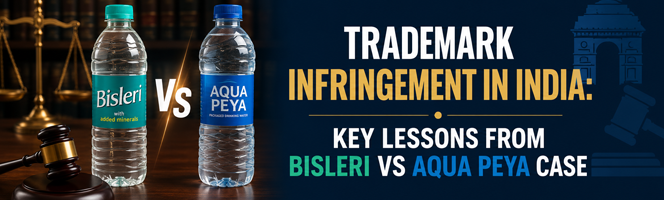
The Bisleri vs Aqua Peya trademark dispute highlights the importance of protecting intellectual property rights and maintaining a unique brand identity in India.

Explore the legal implications of AI-generated brand names, trademarks, branding risks, and the steps businesses should take to secure trademark protection.