How Vendor and Supplier Agreements Protect Your Business from Risk

In the current competitive business world, the third parties are so essential in supplying raw materials, goods, and services to businesses. It is not only important to have a well-written supplier agreement or vendor agreement to protect business interests, to assure continuity, and limit legal risk whether you are a startup, MSME, or a large enterprise. Every bad supplier contract or vendor contract has the potential to make business vulnerable to conflicts, losses, and legal complications.
This blog indicates the essence of a vendor contract agreement, its critical points, and how firms can save themselves by contracting through legal documentation.
What Is Vendor and Supplier Agreement?
A supplier contract is an agreement legally binding that regulates the relationship between the business and the supplier of goods or services. In the same way, vendor agreement is a contract that specifies the rights, duties and obligations of the vendors that provide products or services to a company.
A supplier contract and a vendor contract agreement are both aimed at creating clarity of pricing, delivery, quality level, terms of payment and liability. It is due to the absence of the properly designed vendor contract that can lead to the disruption of business operations and possible court disputes.
Why a Supplier Agreement is essential to Businesses?
An agreement with suppliers is a strategic business tool, not just a formality, which is professionally drafted. It is to make sure that the expectations are clear and legally binding.
Effective supplier contract assists businesses:
- Make sure that goods or services are delivered on time.
- Ensure quality and compliance requirements.
- Keep confidential information.
- Avoid pricing disputes
- Reduce dependency risks
A comprehensive vendor agreement is also good as businesses can be consistent in their suppliers and impose identical standards by using a standard vendor contract agreement.
Key Clause Every Vendor Contract Agreement Must Include
Scope of Supply and Services
The supplier contract has to explicitly state the scope of goods or service, specifications, quantity, and schedules. Indecisions in a supplier contract always breed conflict.
Pricing and Payment Terms
An effective vendor contract must contain information about the price, taxes, payment schedule, delay penalty and payment method. A vendor contract should contain clear financial terms to prevent the problem of cash-flow.
Standards and Inspection of Quality
A supplier agreement has quality control clauses that save businesses the dangers of poor supplies. The vendor contract agreement is supposed to facilitate inspection, rejection, and replacement of defective goods.
Delivery and Performance Obligations
Any supplier contract is based on timely performance. The right vendor contract should establish schedules of delivery, force majeure occurrences and ramifications of delays.
Allocation of Risk by Supplier Contracts
Properly designed supplier agreement assists in distributing risks in an efficient manner. Indemnity, limited liability and insurance clauses are essential in a supplier contract.
Equally, the liability to losses, third-party claims and regulatory non-compliance should be expressed in a vendor contract. Vendor contract agreement is a strong agreement that does not overburden the business with risks.
Intellectual Property Protection and Confidentiality
Suppliers and vendors are provided with sensitive information by most businesses. There should be confidentiality provisions and data protection provisions in a supplier agreement.
In the case of intellectual property, the supplier contract must explicitly provide ownership, rights of use and limitations. Through a well-written vendor agreement, abuse of proprietary information is eliminated and brand value is safeguarded.
Termination and Exit Clauses on Vendor Agreements
Any vendor contract must have explicit right of termination. Regardless of whether the termination is due to breach, convenience, insolvency or any regulatory concerns, the contract agreement between vendors must spell out the notice periods and their effects.
In a supplier agreement, exit clauses are made to secure business continuity in that the transition of the business to other suppliers can be easily made without any legal problems.
Regulatory Obligations and Compliance
A compliant supplier contract is one that complies with labour laws, taxes, environmental laws as well as specific laws of an industry. A vendor may affect the business directly when they do not comply.
A vendor agreement would include compliance warranties that guarantee that regulatory penalties will not affect businesses. The presence of a good vendor contract renders compliance a contract.
Common Mistakes that Businesses make
There are a lot of companies that use generic templates rather than tailored supplier contracts. This usually results in lapses on liability, ambiguous duties, and laxity in enforcement.
The other popular error is the inability to revise the contract agreement with the vendor as the business relationship develops. A dynamic supplier contract ought to emulate the realities of the operation and legal advances.
The Importance of Legal Drafting in Vendor Agreements
The agreement between the suppliers drawn up professionally is binding, definite and aligned to the business goals. Law expertise secures to keep the supplier contract balanced, compliant and not disputable.
Likewise, a vendor agreement with which the vendor is well vetted lowers the risk of litigation and increases the power of negotiations. An effective vendor contract agreement is a cost saving and a long-term interest guardian investment.
Conclusion
Supplier agreement or vendor agreement is an essential part of the business to ensure business interests are safeguarded in the contemporary complicated business environment. Risk management up to compliance and dispute prevention, strong supplier contract and vendor contract agreement offer legal security and stability of operations.
The businesses must not use one-size-fits-all documents but rather use customised legally viable vendor contracts depending on their industry and business operations. A good contract nowadays will save expensive controversy in the future.
Latest Blog
Learn how professional legal drafting can protect your rights, prevent disputes, reduce legal risks, and strengthen your position before a case reaches court.
Understand when a husband can seek maintenance from his wife under Indian law. Learn about interim maintenance, financial dependency, court factors, and legal remedies.
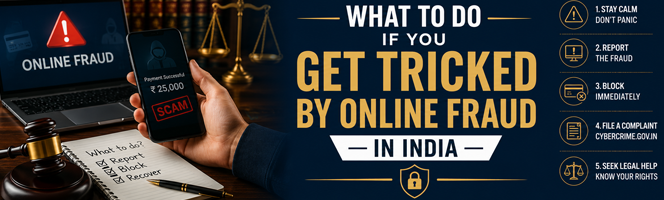
Know the immediate steps to report online fraud, recover your money, file a cyber crime complaint, and seek legal assistance in India.
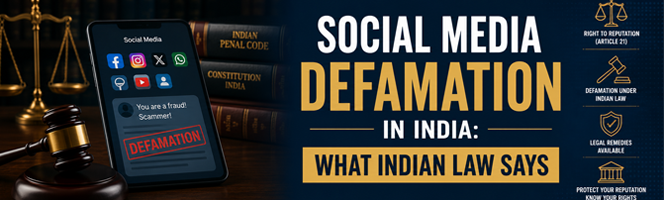
Social Media Defamation in India: What Indian Law Says explains how false statements, fake reviews, edited images, and misleading social media posts can damage the reputation of individuals and businesses.

This blog explains the importance of professionally drafted business contracts, including Vendor Contract Agreements, Client Service Agreements, and other commercial legal documents.
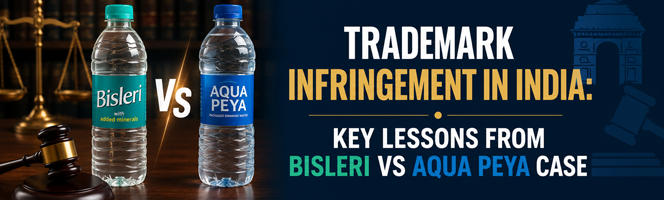
The Bisleri vs Aqua Peya trademark dispute highlights the importance of protecting intellectual property rights and maintaining a unique brand identity in India.
Explore the legal implications of AI-generated brand names, trademarks, branding risks, and the steps businesses should take to secure trademark protection.

WhatsApp chats have become an important form of electronic evidence in Indian legal proceedings, including divorce, family disputes, civil matters, and criminal cases.

This blog explains the importance of Intellectual Property (IP) protection for Instagram businesses, creators, influencers, and startups. It highlights how trademark registration helps protect brand identity, logos, content, and business reputation.