
Unpaid Wages? Here's What You Need to Know and Do

Proper wages are earned money in any organization, which is protected by labour laws applicable to every workplace. However, there are cases where employees may have received a challenge of paid a salary. This is an immense disrespect to the rights of employees and may lead to certain monitory issues. Employees have the legal right to sue employers who refuse to pay wages on time. This is what you should know about the labour laws in India as relates to unpaid wages and how you can get your wages.
What constitutes Unpaid Wages?
Any wages earned by an employee under his contract of employment and not paid him by his employer is called unpaid wages. In India there are set laws governing employees and employers it provide the right of employees to be paid their wages at specified times and wage rates was agreed.
Labour Laws in India on Unpaid Wages
Labour laws provide the workers protection once they demand for their rightful wage, include India. The key regulations governing wages include:
- The Minimum Wages Act, 1948: It ensure that employees are paid not less than the stipulated rates by the government based on the type of industry. Considering this, employers who may be reluctant to meet their obligations provided for in this act may be penalized for it.
- The Payment of Wages Act, 1936: This act mainly deals with prompt payment of wages. It requires that wages should be paid within the specified period (which is within seven days from the close of a wage period). Payment of wages should be made at the end of every month at the latest, any time beyond this time leads to legal implications on the employer.
- The Industrial Disputes Act, 1947: For other disputes which has to do with wages, the law provides for this under the Industrial Disputes Act. It gives the workers an opportunity to report to the authorities to seek their remuneration.
- The Equal Remuneration Act, 1976: It guarantees that men and women are paid equal wages for the same jobs they do. There is no provision of discrimination in wages in terms of gender that’s why Section 52 of EEAA act makes it unlawful for any employer to pay remunerations whether directly or indirectly after the relevant date and in relation to relevant employing unit employees of one sex more than those of the other sex.
What to do if the Payment is not made on Time being
If you are facing unpaid wages, here are the steps you can take under labour laws in India:
- Communicate with your employer: However, it is strongly recommended to first, try to have a word with your employer prior to seeking legal assistance. Often, a talk and/or a word reminder is enough to solve it. People should communicate in writing and record these communications in writing by way of memo, letters that document the communication along with the date of the communicated issue.
- Report the case to the Labour Department: If your employer does not respond properly regarding the issue of unpaid wages, you can go to the labour office of your state. The Labour Commissioner or the concerned authority will look into the matter. After that, the case will be taken to the department which will later write to the employer, demanding him/her to pay the due wages within a given time.
- Approach the Labour Court or Tribunal: If the labour department does not help, there are the Labour Court or Industrial Tribunal intervention. These bodies are primarily concerned with the settlement of all matters to do with wages and employment. The documents that should be produced include, payslips, contracts of employment, and documents showing other emoluments paid or remains unpaid.
- Seek Legal Assistance: If all efforts have not yielded desired results and you have not been paid your salary, then you will need to consult a lawyer. You can get a lawyer who deals with labour laws so that you can court your employer for violation of your rights. It is also worthy of note that you can sue your employer to recover your wages together with an interest and/or compensation if any.
Lawchef Assistance: Simplifying the Process
Handling cases of unpaid wages is always a difficult. This is where Lawchef assistance comes in handy. Lawchef is legal service provider for legal aid services and offers appointed lawyers specialized in labour laws. They provide simple legal information and assistance can explain all the legal procedures that pertain to filing complaints or making a lawsuit to recover wages owed. These services ease the task making it easy for employees experiencing difficulties in unpaid salary claims.
Penalties for Employers
Employers who breach these requirements and do not pay wages that meet with labour legislation standards risk severe consequences. Of late, the Payment of Wages Act was amended which allows the employer to fine up to Rs. 500 per day of delay in the payment of wages. Also, in case of non-payment, the employer may be charged with an imprisonment penalty in case the non-payment arose out of an act of deceit or prejudice. The Minimum Wages Act also spells down consequences for employers who are wilful violators of the set minimum wage rates.
Conclusion
Payment for work done especially when done without tough remuneration is understood under labour laws as unlawful. If a person is experiencing such a problem, then he should act as quickly as possible. Approach your employer first and if you do not get a favourable response, take the issue to the labour department, court or tribunals. We should seek the help of legal persons and services such as Lawchef to help us in the same procedure as the one mentioned above so that we do not violate the law. Knowing your basic labour laws on employment in India can enable you take the right measures and get your entitlements paid.
Latest Blog

Learn about the legal remedies available when police refuse to register an FIR for a cognizable offence under the BNSS. Understand the role of the Superintendent of Police, Magistrate, Section 173(4), Section 175(3), and Zero FIR.

Learn how professional legal drafting can protect your rights, prevent disputes, reduce legal risks, and strengthen your position before a case reaches court.
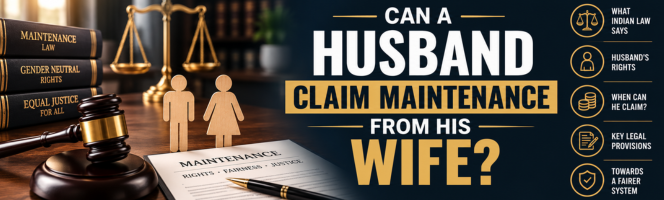
Understand when a husband can seek maintenance from his wife under Indian law. Learn about interim maintenance, financial dependency, court factors, and legal remedies.
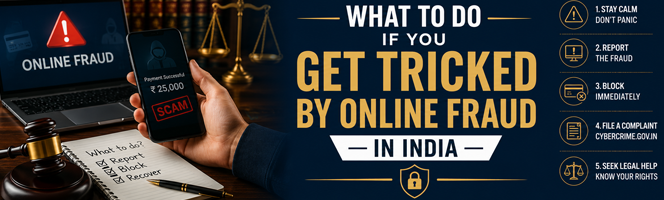
Know the immediate steps to report online fraud, recover your money, file a cyber crime complaint, and seek legal assistance in India.

Social Media Defamation in India: What Indian Law Says explains how false statements, fake reviews, edited images, and misleading social media posts can damage the reputation of individuals and businesses.

This blog explains the importance of professionally drafted business contracts, including Vendor Contract Agreements, Client Service Agreements, and other commercial legal documents.
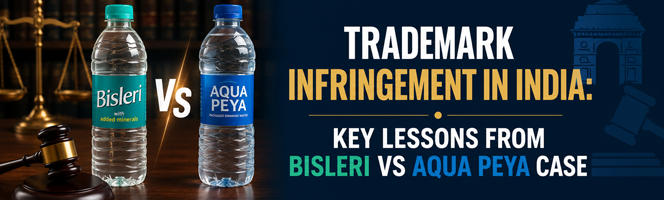
The Bisleri vs Aqua Peya trademark dispute highlights the importance of protecting intellectual property rights and maintaining a unique brand identity in India.

Explore the legal implications of AI-generated brand names, trademarks, branding risks, and the steps businesses should take to secure trademark protection.

WhatsApp chats have become an important form of electronic evidence in Indian legal proceedings, including divorce, family disputes, civil matters, and criminal cases.