
Rights for Stray Animals in India: Understanding the Supreme Court’s Stand

Stray animals, particularly the dogs have been controversial in India. As cases of dog bites increase on one hand and voices for sympathy and keeping of stray dogs on the other, the Supreme Court has found it in the interest to regulate the situation and provide a middle-ground on this issue. The Court order is not only related to the problem of public safety but also with the rights of stray animals that want members of society to know the animals also have the rights to live a dignified life under the Indian law as well.
Supreme Court’s Recent Order
The Supreme Court in its recent pronouncement recognized that the incidences of stray dog bites were on the rise nationwide creating serious concerns about health and security of people. Meanwhile, the Court stressed that such dogs cannot just be exterminated or abused brutally. Rather, it demanded the proper and human way of controlling their population and getting a coexistence between human beings and the animals.
The Court emphasized the importance of sterilization and vaccination programs, which was already enforced by law, to be followed perfectly by the municipal authorities. It further iterated that such measures are the only lawful and viable means of organizing the population of these stray dogs without a breach of the animal welfare principles.
Balancing Human Safety and Animal Rights
One of the most important aspects of the ruling is the recognition that the safety of citizens and the rights for stray animals are not mutually exclusive. The Court indicated that although the care of human life is supreme, animals have a right to live without causing unneeded pain or suffering. This balance corresponds to a wider constitutional philosophy of compassion and coexistence which Indian jurisprudence is bound, and that it is more representative of.
The Supreme Court has cited previous decisions in which it had clearly mentioned that stray dogs cannot be culled in any random manner. In lieu of this, municipal organizations have a role to play by enacting population control measures in the form of birth control and vaccination programs. The ruling also put an emphasis so that citizens take responsibility in dealing with any stray dogs as they should feed and care by using dedicated grounds without bothering other people with inconveniences.
Role of Municipal Authorities
The Court gave municipal officials a large burden to conduct sterilization and vaccination campaigns. It lamented that, from what we can understand, most local bodies have not been successful in effective implementation of these measures, thereby, leading to great uncontrolled stray dog population in cities and towns.
The court clarified that civic apathy played a direct role in the number of dog bite incidences as well as in the plight of stray animals. Thus the Court asked that such animal birth control rules (ABC) be followed strictly and the allocation of resources on such programs be done in time.
Legal Consideration as to Stray Animals
The legal solutions provided in India are very powerful to protect the health of the animals. The Prevention of Cruelty to Animals Act, 1960, prohibits cruelty and abuse, making it possible for any citizen to file a police complaint for animal abuse if they witness mistreatment. In addition, Supreme Court and High Courts had ruled on the few earlier cases that animals have a right to live with dignity.
The current order reaffirms this legal framework, stating that no person, organization, or authority can engage in the mass killing of stray dogs. Instead, any violation of animal rights can be legally challenged. This empowers citizens to stand up for animals and ensures accountability on the part of civic bodies.
Public Concerns over Dog Bites
The Court was also aware of the increasing fear among citizens as a result of increasing dog bites. Thousands of cases have been reported in some states causing anxiety and even demanding radical solutions against the stray dogs. The Supreme Court did concede these fears but stressed that injudicious action against stray dogs is not the way out.
The ruling gave importance to preventive actions such as, sterilization, vaccination, and awareness creation on issues. It even encouraged people to be vigilant but at the same time treat stray animals in a humane manner.
Conclusion
The Supreme Court’s recent order on stray dogs is a significant step toward balancing public safety with the rights for stray animals. With its focus on sterilization/vaccination strategies, the prosecution of municipal authorities and the reinstatement of the legal framework that allows the animals protection the Court has offered a humane, legal path forward.
Citizens, too, have a role to play—whether by feeding strays responsibly, supporting animal welfare initiatives, or filing a police complaint for animal abuse when they see mistreatment. India, being collectively responsible can make its streets safe to both the human and animal life creating a society based on compassion, co-existence, and respect on all living beings.
Latest Blog

Learn how professional legal drafting can protect your rights, prevent disputes, reduce legal risks, and strengthen your position before a case reaches court.
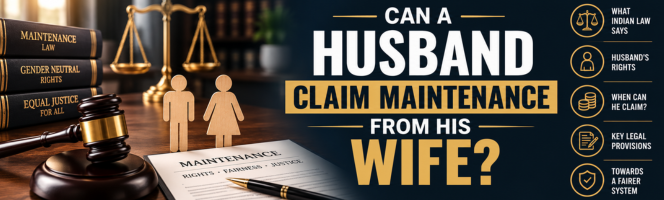
Understand when a husband can seek maintenance from his wife under Indian law. Learn about interim maintenance, financial dependency, court factors, and legal remedies.

Know the immediate steps to report online fraud, recover your money, file a cyber crime complaint, and seek legal assistance in India.
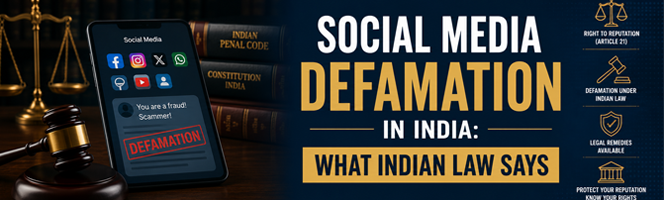
Social Media Defamation in India: What Indian Law Says explains how false statements, fake reviews, edited images, and misleading social media posts can damage the reputation of individuals and businesses.

This blog explains the importance of professionally drafted business contracts, including Vendor Contract Agreements, Client Service Agreements, and other commercial legal documents.
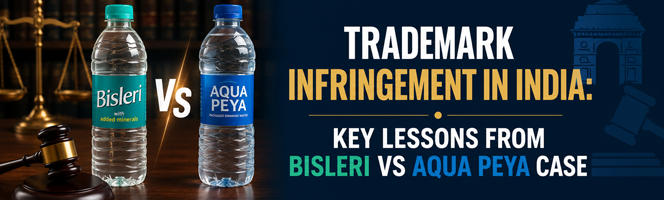
The Bisleri vs Aqua Peya trademark dispute highlights the importance of protecting intellectual property rights and maintaining a unique brand identity in India.

Explore the legal implications of AI-generated brand names, trademarks, branding risks, and the steps businesses should take to secure trademark protection.

WhatsApp chats have become an important form of electronic evidence in Indian legal proceedings, including divorce, family disputes, civil matters, and criminal cases.

This blog explains the importance of Intellectual Property (IP) protection for Instagram businesses, creators, influencers, and startups. It highlights how trademark registration helps protect brand identity, logos, content, and business reputation.