Legal Agreements Required for Web Series Production in India

Creating a web series is an adventurous process, yet there is a solid legal ground behind any successful show. As an OTT producer, filmmaker, and/or independent creator, you want to protect your idea, money, cast, crew and distribution rights, and the correct legal agreements need to be drafted. The entertainment industry is based on contracts and negligence on the same may result in copyright infringement, loss of money or total closure of the project.
This blog discusses the necessary legal contracts needed to create a web series in India particularly non-disclosure agreement, film distribution, film production agreement, NDA contract, NDA agreement, non-disclosure agreement, all of which are the staple of a legally valid production.
1. Non-Disclosure Agreement (NDA): Script and Confidentiality.
The first legal document that a producer is expected to sign when venturing into a web series project is a non-disclosure agreement (NDA). The production house needs to sign a non-disclosure contract before providing the script, storyline, concept art or character designs to writers, actors, directors or OTT to ensure leakage or misuse of the idea.
A good non-disclosure policy should spell out what should be kept confidential, how any confidential information should be dealt with, and what are the legal repercussions of breaching confidentiality. Taking into account the fact that web series ideas usually include exclusive IP, twists, and character development, an NDA contract is necessary to prevent theft or duplication. Manufacturers tend to make unilateral and mutual NDA on the basis of information flow in a single direction and a two-way direction.
A large number of people working in the industry currently choose to use an NDA contract whenever they need to interact with each other, even in the form of an audition. The benefits of NDA contract are the minimisation of legal risks, the establishment of trust, and the free flow of sensitive information among creators. It is just that any production house should have a standardized NDA agreement where it is signed prior to any creative discussion.
2. Film Production Contracts: Roles, Rights and Responsibilities.
After the protection of the creative vision, the development of film production contracts is a significant step. These contracts define the duties of the producers, directors, writers, actors, crew, technicians, music composers and post-production teams.
The film production contracts are very strong and include:
- Scope of work
- Deliverables and deadlines
- Payment structure
- Work-hours and safety levels.
- Intellectual property rights.
- Copyright of recordings, music inc. performances.
- Termination clauses
Web series require several episodes, budgets, and schedules, so organized film production agreements are required to make everything clear and avoid the inability to understand. Such contracts are also beneficial to the producer in case of failure of a team member to deliver according to the agreement, default of duties or leaking of confidential information.
In most of the production an NDA contract is appended as an annexure to the principal production agreement, which guarantees secrecy as well as security of contract. The legal basis of the creative process is a mutual application of film production contracts, NDA agreement and NDA contract forms.
3. Talent Contracts: Cast and Crew Guard.
Web series demand the presence of several actors, influencers, directors, cinematographers, and other specialists. All of them are required to sign a special agreement that indicates:
- Number of shooting days
- Episode commitments
- Payment terms
- Exclusivity conditions
- Credit guidelines
- Promotional rights of use.
Most talent agreements will include reference to the non-disclosure agreement to make sure that the actors do not disclose plot twists, shooting details, or contract terms publicly.
4. Location Agreements and Equipment Agreements.
Given that web series are shot in different locations, producers have to request permission with:
- Location release contracts.
- Property release forms
- Equipment renting contracts.
- These avoid future conflicts with house owners, city officials or equipment vendors.
5. Music, Copyright and intellectual property assignments
Each web series implies original music, editing elements, VFX and promotion. The producers must execute: in order to prevent the copyright disputes.
- Music license agreements
- Composer agreements
- Copyright assignment deeds
- Work-for-hire contracts
These guarantee total ownership by the production company of the web series.
6. Film Distribution Agreements: OTT, TV, and International Licensing
Signing film distribution agreements happens to be the largest legal requirement after production. Such deals define the origin of the streaming of your web series either on an OTT platform, satellite channel or a global network.
Powerful film distribution contracts encompass:
- Digital, theatrical, satellite, global rights granted.
- Revenue-sharing model
- Term of licensing
- Territory restrictions
- Marketing commitments
- Payment schedules
Most of the OTT platforms insist on adherence to the film distribution contracts, particularly in exclusivity and censorship adherence. These agreements have a significant impact on profit and exposure and, therefore, have to be written with accuracy.
Film distribution deals, in most instances, also have secrecy clauses or need a distinct NDA deal or NDA contact, particularly when encompassing platform analytics, price terms, or viewership statistics.
7. The significance of these agreements in the production of Web Series
A web series entails the involvement of various stakeholders; producers, OTT platform, directors, actors, writers, technicians, investors, and distributors. In the absence of legal agreement contracts such as the non-disclosure agreement, film production contracts, NDA agreement, NDA contract, and film distribution agreements, the project will be exposed to:
- Script leaks
- Budget disputes
- Unauthorized distribution
- Theft of intellectual property.
- Payment conflicts
- Abuse of confidential information.
The implementation of appropriate agreements provides:
- Clear accountability
- Transparency
- All creative materials shall belong to the owner.
- Smooth collaboration
- Making the entire production team legally safe.
Conclusion
A web series project that is professionally run is based on legal documentation. The set of non-disclosure agreement, sound film production agreement, and properly written film distribution agreement along with the necessary devices such as the non-disclosure agreement contract and the non-disclosure agreement is enough to make sure that all the steps, ideation, production, and release are legal and risk free.As a creator interested in releasing a web series, it is not only recommended to invest into professionally written agreements, but also critical to ensure the security of your work, your team, and your income.
Latest Blog

Learn how professional legal drafting can protect your rights, prevent disputes, reduce legal risks, and strengthen your position before a case reaches court.
Understand when a husband can seek maintenance from his wife under Indian law. Learn about interim maintenance, financial dependency, court factors, and legal remedies.
Know the immediate steps to report online fraud, recover your money, file a cyber crime complaint, and seek legal assistance in India.
Social Media Defamation in India: What Indian Law Says explains how false statements, fake reviews, edited images, and misleading social media posts can damage the reputation of individuals and businesses.

This blog explains the importance of professionally drafted business contracts, including Vendor Contract Agreements, Client Service Agreements, and other commercial legal documents.
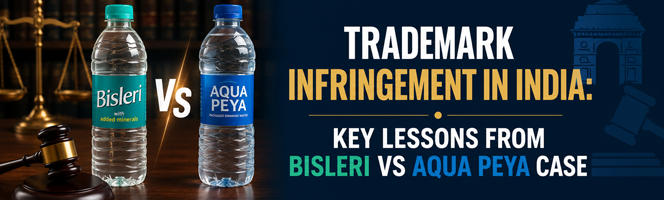
The Bisleri vs Aqua Peya trademark dispute highlights the importance of protecting intellectual property rights and maintaining a unique brand identity in India.
Explore the legal implications of AI-generated brand names, trademarks, branding risks, and the steps businesses should take to secure trademark protection.
WhatsApp chats have become an important form of electronic evidence in Indian legal proceedings, including divorce, family disputes, civil matters, and criminal cases.

This blog explains the importance of Intellectual Property (IP) protection for Instagram businesses, creators, influencers, and startups. It highlights how trademark registration helps protect brand identity, logos, content, and business reputation.