
Illegal Arrest vs Illegal Detention: Understanding the Difference under Indian Law
Arrest and detention are fundamental rights and protections of persons and can be violative of Indian law if they are carried out unlawfully. While related, arrest and detention are not the same. It is significant when considering police intervention, illegal detention or interference with constitutional protection.
Legal Draft House offers legal drafting services and advisory on the issue of criminal law which includes illegal arrest, unlawful detention and other related legal remedies.
What is Illegal Arrest in India?
In India, an arrest without lawful authority or failure to observe some of the mandatory legal safeguards is considered an illegal arrest. Arrests should be in accordance with relevant laws such as the Bharatiya Nagarik Suraksha Sanhita, 2023 (BNSS), and constitutional safeguards.
An arrest can be resisted if the police do not have the legal justification, don't follow the correct procedures or don't respect the protection measures concerning arrests and custody. A procedural error does not always mean that all arrests are unlawful, however, and will depend upon the nature of the violation and the law.
Illegal arrest and illegal detention
The distinction between arrest and detention is mainly related to the situation in which the person is detained and the legal basis for the detention.
The term "arrest" normally refers to a person being taken into custody on suspicion of committing a crime. Detention is more general than the term arrest and means the person's liberty is being limited, such as when they are detained after arrest, or after they are detained under another legal authority.
An arrest can be lawful at first, but later be unlawful if there is a failure to comply with the law while being detained. In the same way, detention without proper legal authority may be challenged via suitable legal avenues.
Rights against Illegal Arrest in India
There are important rights for those against illegal police interference. The Constitution guarantees life and personal liberty in Article 21 and arrest and detention safeguards in Article 22, with constitutional exceptions.
The BNSS also provides for procedural safeguards, such as the obligation to inform the arrested person of the grounds for arrest, access to legal assistance, communication with the nominated person, the arrested person or their relatives and placing before a magistrate within the time limits.
These safeguards work to prevent arbitrary arrest and safeguard the use of police powers in accordance with the law.
Does the police have the power to arrest someone without an FIR?
Police powers are subject to circumstances and to the provisions of the law. In specific situations, the police can conduct enquiries/lawful preventive action even after they have not filed an FIR. But without legal mandate, they may not take away anyone's freedom of action.
The validity of the detention is measured by purpose, time, and the statutory basis for it as well as adherence to the relevant safeguards. When a person is detained on what appears to be an unlawful basis, he or she can consult the lawyer and may be able to pursue appropriate legal remedies.
Can Police Detain an Arrested Person for More than 24 hours?
When a person is arrested, he or she must be taken before the nearest magistrate within 24 hours after arrest (excluding the time it takes to make this journey). Custody may only be continued with the proper court authorization, consistent with the provisions of the constitution and statutes.
The police do not have the authority to detain a person arrested for a period longer than this unless they can bring him before a magistrate. The magistrate will decide if custody is legally warranted to continue.
Police custody and detention can be the same in some cases, but is not always the same.In some cases police custody and detention are the same, but not always.
Police custody means custody of a person by police for investigation under the supervision of the court and, if necessary, subject to limit as to the period of custody. Judicial custody: the person is being kept under the control of the court, usually in a jail.
The word detention has a wider meaning and may refer to a limitation of liberty in various situations. The laws regarding custody will vary with the type of case, the status of the case, and the law.
Legal Remedies for wrongful arrest in India
An aggrieved person on account of illegal arrest or detention can seek relief from the relevant court. Depending on the case, remedies may be a bail application, a challenge to the unlawful custody, a writ petition or a complaint to the relevant authority.
An appropriate police illegal detention legal remedy should be chosen based on the urgency of the case, for example, to have someone released from custody, to test the lawfulness of the custody, or to hold to account those who have carried out illegal conduct.
What is the purpose of a “habeas corpus” petition?
A Habeas Corpus petition is a constitutional remedy that is intended to bring the case of a person's detention before a Court for review. It could be filed before any of the appropriate High Court under Article 226 of the Constitution or in appropriate cases, before the Supreme Court under Article 32.
The court evaluates whether the detention has a lawful basis, and it can release the detainees if they are found to have been detained unlawfully. This remedy is available and will be available according to the facts and law.
Compensation for an illegal arrest and unlawful detention
Where the fundamental rights have been denied, a person may seek compensation in a constitutional proceeding, in appropriate circumstances. In some instances where personal liberty has been abridged and public law remedies have been sought, courts have recognised public law remedies.
Compensation is not mandated in any way. The court takes into account the nature of the violation, evidence, circumstances and the legal principles. Where possible, other civil or legal remedies may also be pursued.
Illegal Arrest Matters – Why Choose Legal Draft House?
Legal Draft House provides legal drafting services in relation to illegal arrest, illegal detention, constitutionally based remedies and related criminal proceedings. Depending on circumstances this might involve preparing legal notices, writ petition drafts, representations and supporting documentation.
When thoroughly evaluating facts and relevant law, it is possible to find proper remedies and put the issues before the proper forum or authority in a clear manner.
Frequently Asked Questions (FAQs)
1. When is a police arrest considered illegal in India?
An arrest may be illegal when it lacks lawful authority or violates applicable legal and constitutional safeguards. The specific circumstances determine the available remedy.
2. Can police detain someone without registering an FIR?
In certain circumstances, lawful inquiries or preventive action may occur without an FIR. However, detention must have a valid legal basis.
3. What are your rights if police detain you illegally?
You may seek legal assistance, challenge unlawful custody before the competent court, and pursue appropriate constitutional or statutory remedies.
4. Can police keep an arrested person for more than 24 hours without producing them before a magistrate?
Generally, no. Article 22(2) requires production within 24 hours, excluding journey time, subject to applicable legal provisions and constitutional exceptions.
5. What is the difference between police custody and detention?
Police custody refers to custody under police control, while detention is a broader term covering different forms of restriction on liberty.
Latest Blog

Understand the key differences between illegal arrest and illegal detention under Indian law, including your constitutional rights and the legal safeguards police must follow.

Learn about BNS Section 69, including false promises to marry, criminal liability, bail options, relevant evidence, and available legal remedies.

Learn about the legal remedies available when police refuse to register an FIR for a cognizable offence under the BNSS. Understand the role of the Superintendent of Police, Magistrate, Section 173(4), Section 175(3), and Zero FIR.

Learn how professional legal drafting can protect your rights, prevent disputes, reduce legal risks, and strengthen your position before a case reaches court.

Understand when a husband can seek maintenance from his wife under Indian law. Learn about interim maintenance, financial dependency, court factors, and legal remedies.

Know the immediate steps to report online fraud, recover your money, file a cyber crime complaint, and seek legal assistance in India.

Social Media Defamation in India: What Indian Law Says explains how false statements, fake reviews, edited images, and misleading social media posts can damage the reputation of individuals and businesses.

This blog explains the importance of professionally drafted business contracts, including Vendor Contract Agreements, Client Service Agreements, and other commercial legal documents.
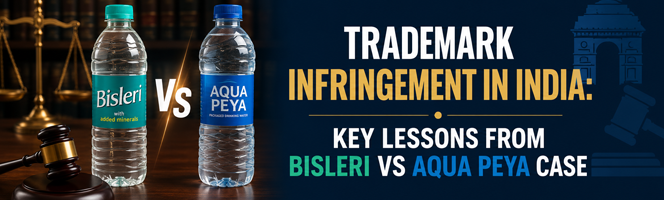
The Bisleri vs Aqua Peya trademark dispute highlights the importance of protecting intellectual property rights and maintaining a unique brand identity in India.