
Franchise Agreement and the legal issues a franchisee should be aware of

A franchise agreement is a contract enforceable by the law between two parties namely a franchisor and a franchisee stating the terms and conditions of operating the franchise business. Both the parties should be aware of their rights and obligations to the franchise; for example, territorial rights, amount of franchise fees, royalties, standard of operations, marketing requirements, and most importantly termination clauses. In addition to this, parties to the contract should review the documents carefully for any alterations in provisions relating to dispute resolution, non-compete clauses, intellectual property rights and renewal of contract. Acknowledging and understanding these legal criteria are crucial in order to protect the franchisee's interests, secure conformance with the existing franchise laws, and reduce the risk of arising of disputes or sanctions. A franchisee must hire a Franchise Lawyer who has good command in drafting Franchise Agreement in Delhi or places near NCR.
Franchise Disclosure Document (FDD)
The Franchise Disclosure Document is an exhaustive legal document that must be provided by the franchisors to the potential franchisees. The documents outline the essential information about the franchisor's brand or business, which includes the brand’s history, its executive team, finance related statements, franchise fees, royalties, and most importantly the terms and conditions column. This document also includes the details about the system of franchise, such as the obligations of the franchisee, his territory rights on the brand, training programs, and marketing strategies and the support that is supposed to be given by the franchisor. Franchisees must carefully review the FDD with the assistance of a skillful commercial lawyer who has knowledge about franchise agreement drafting before investing in a franchise so the risks, obligations, and potential rewards can be understood easily before associating with a brand.
Franchise Fees and Royalties
Some of the essential financial considerations for franchisees are Franchise fees and royalties. The initial payment made by the franchisee to the franchisor in order to acquire the rights to operate a franchise unit as per the convenience of the franchisee is called franchise fee. The fee covers all the costs including the cost of training, support, and access to the brand of the franchisor and his business model. Whereas Royalties, on the other hand, are the amount typically calculated as a percentage of the franchisee's gross sales that are needed to be paid to the franchisor. Royalties are paid in order to compensate the franchisor in exchange for the support they are offering, including efforts in marketing, and the usage of the brand and intellectual property. Franchisees with a help of a commercial lawyer must carefully read and evaluate the fee structure in order to ensure the franchise aligns with their financial as well as business goals.
1. What is a franchise agreement lawyer?
A lawyer who specializes in matters related to franchising, including drafting of the franchise agreement, reviewing, and resolving disputes through arbitration and negotiation between the parties is called a Franchise Agreement Lawyer.
2. What are the terms and conditions of franchise agreement?
The terms and conditions of a franchise agreement could be anything desired by the franchisor as well as the franchisee, such as; royalty amount or franchise fee.
3. What are the steps to franchise my business in India?
First you need to do a thorough market research, then develop a business model, draft a franchise disclosure document with the help of a franchise lawyer, registering the franchise, and finally at the end drafting franchise agreements.
4. How to resolve a franchisor-franchisee conflict legally?
It can be done with the help of a Lawyer by going to the courts or could be done with the help of ADR.
6. How to take action for franchise agreement violations?
Franchise agreement violations can be addressed by taking the offending party to the court.
7. How to protect my franchise from legal issues?
In order to protect a franchise from legal issues, the parties must ensure the brand’s compliance with the existing franchise laws and regulations.
8. How to handle franchisee arbitration?
Franchisee arbitration can be handled by an arbitrator who if possible could be a lawyer for better understanding of the situation to curb unnecessary problems and quarrel.
9. Can I give a franchise and start my own as well in India?
Yes, one can both give a franchise and start your own franchise in India.
10. Can I terminate my franchise agreement?
Yes, you can terminate your franchise agreement with the compliance of the termination clause in the contract itself.
11. Can a franchisee sue a franchisor?
Yes, a franchisee can sue a franchisor in case of violation of any contractual clause or law in force.
12. Who can draft and develop a franchise business model?
Franchise lawyers and attorneys specializing in franchising, and industry experts can draft a franchise business model and franchise agreement as well.
13. Why do I need a franchise attorney?
A franchise lawyer is needed in order to ensure the compliance with the existing franchise laws and regulations, for drafting agreements/ applications, resolving disputes among parties, and protecting the interests of the parties.
Why is LawChef the best choice as your Franchise Lawyer?
LawChef has experienced lawyers who have dealt with cases in NCLT and NCLAT which are of commercial nature which includes Disputes related to Franchise Agreement and hence it is the best choice out there without cutting your pocket deep.
Latest Blog

Learn how professional legal drafting can protect your rights, prevent disputes, reduce legal risks, and strengthen your position before a case reaches court.
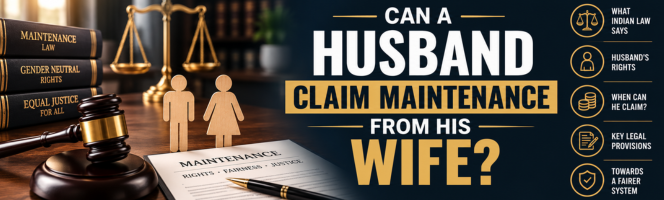
Understand when a husband can seek maintenance from his wife under Indian law. Learn about interim maintenance, financial dependency, court factors, and legal remedies.

Know the immediate steps to report online fraud, recover your money, file a cyber crime complaint, and seek legal assistance in India.
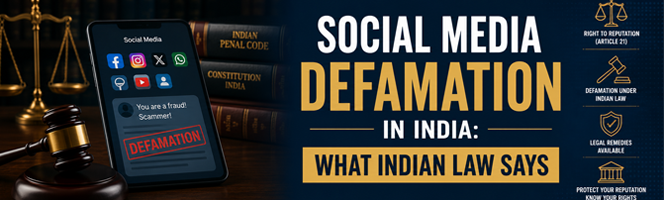
Social Media Defamation in India: What Indian Law Says explains how false statements, fake reviews, edited images, and misleading social media posts can damage the reputation of individuals and businesses.

This blog explains the importance of professionally drafted business contracts, including Vendor Contract Agreements, Client Service Agreements, and other commercial legal documents.
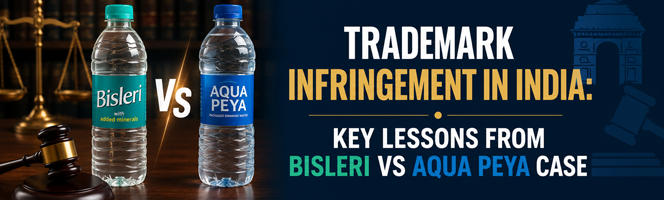
The Bisleri vs Aqua Peya trademark dispute highlights the importance of protecting intellectual property rights and maintaining a unique brand identity in India.

Explore the legal implications of AI-generated brand names, trademarks, branding risks, and the steps businesses should take to secure trademark protection.

WhatsApp chats have become an important form of electronic evidence in Indian legal proceedings, including divorce, family disputes, civil matters, and criminal cases.

This blog explains the importance of Intellectual Property (IP) protection for Instagram businesses, creators, influencers, and startups. It highlights how trademark registration helps protect brand identity, logos, content, and business reputation.