Digital Justice: Understanding the Future of Online Dispute Resolution in India

One of the most potent tools which have been effectively bringing about the resolution of disputes efficiently, swiftly, and at the lowest costs has emerged in the Indian legal system. ODR, using technology advancements and increased demand for remote services, is slowly changing the way legal issues are resolved in India. The sweep from mediating matrimonial disputes all the way to Civil Conciliation, what is being witnessed now is the shift towards digital justice. It is making the legal remedy accessible and simplifying processes for millions of Indians.
This blog will talk about the future of digital justice in India by focusing on how ODR is helping to revolutionize Matrimonial Conciliation, Civil Conciliation, and dispute resolution mechanisms in general. We will also look at the advantages and disadvantages along with a discussion on the role of technology toward an inclusive and accessible legal system.
Concept of Online Dispute Resolution (ODR):
Online Dispute Resolution simply means an online process of conflict resolution among parties as if they did not have to go to court. It utilizes internet connections for virtual platforms, video conferencing, electronic submissions of evidence, and automated negotiation tools with the view of streamlining how to handle disputes.
ODR is best suited for civil disputes, commercial disagreements, and matrimonial cases, where parties can settle their disputes outside court through mediation in matrimonial disputes or Civil Conciliation. ODR thus provides a very attractive solution towards speedy dispute resolution while not burdening the judiciary.
ODR in India: The Legal Framework
In the recent past, India's government and judiciary realized how ODR could reduce delay and streamline the judicial system. The legal framework provided by the Information Technology Act, 2000, has been used to support electronic records and digital signatures in the legal process for the implementation of ODR mechanisms.
The Supreme Court of India has advocated for the adoption of technology in the overhaul of judicial processes. It is upon examples such as eCourts and virtual hearings that are currently being adopted during the COVID-19 pandemic that ODR remained a favorite form of dispute resolution.
Mediation in Matrimonial Disputes
The most significant application in the ODR area is on the mediation disputes on matrimonial disputes. Since family disputes, especially divorce and separation, are highly emotive litigations which occur in this country, mediation gives the likelihood of a less adversarial and more collaborative process to resolve problems. Under ODR, parties in matrimonial disputes can mediate from the comfort of their homes and bypass the dread and public humiliation of court appearances.
Mediation of matrimonial disputes is a form of ADR wherein, under the guidance of a neutral third-party mediator, the parties communicate to reach a pre-decided mutually amicable settlement. In fact, this method has proven to be specifically most effective in child custody and alimony disputes and property divisions. The digital nature of ODR also permits such flexible scheduling, especially for persons taking up husbands or wives from other locations or have conflicting work commitments.
ODR platforms can, through technology, provide confidentiality, legal resources, and specialized mediators trained in matrimonial matters. It lessens the pain because of the lessened emotional exposure and faster resolution compared to litigation.
Civil Conciliation: A Step Towards Effective Dispute Resolution
Another critical aspect of ODR is Civil Conciliation, which involves a process whereby the disputing parties wish to resolve their differences with the assistance of a conciliator. In contrast, mediation requires that a mediator plays only the role of a facilitator for dialogue but in fact, acts positively by taking steps aimed at proposing solutions and suggesting terms of settlement.
Civil Conciliation has increasingly gained momentum in India as an alternative to litigation procedures, mainly in commercial cases involving contract disputes, property matters, and consumer complaints. Digital justice has further established online conciliation procedures; parties can now settle their disputes without a face-to-face sitting by merely using online platforms. It is particularly helpful if parties are in distant places and suffer from problems related to transport in having access to the court of law.
Civil Conciliation platforms are digital-based, meaning using digital tools for exchanging documents and real-time communication while being sure that all confidential information is handled with respect. The conciliator will be provided a good opportunity to assess the facts, suggest fair terms, and settle the disputes speedily while saving both parties time and money involved.
Matrimonial Conciliation: A Collaborative Approach to Family Disputes
Another important area wherein ODR can make an especial transformative intervention is conciliation in matrimonial matters. The process, as such, is exactly the same as mediation but is highly structured with an active conciliator who helps the parties find a solution to their marital problems. In matrimonial conciliation, the conciliator seeks the middle ground among solutions that will reflect the need and interest of both parties in it.
ODR platforms specializing in Matrimonial Conciliation empower the couple to discuss their issues through a virtual meeting with each other, discussing their grievances in a structured and confidential setting. This should reduce hostility and bring an understanding such that the couple reaches an agreement without protracted litigation.
For instance, the tools of ODR can provide questionnaires that would let them identify specific significant areas where there is a conflict, probably financial matters, property issues, or concerns over children. It makes sure the conciliator and the parties get their efforts set in particular around solving the crucial and contentious points, and thus quicker settlements can be reached. Here, with technology integration, the very process of ODR facilitates more efficient Matrimonial Conciliation as it allows couples to move on with their lives without the trauma of a drawn-out legal battle.
Advantages of ODR in Matrimonial and Civil Cases
- Availability: ODR is set to smash geographical barriers so that litigants from remote or unrepresented areas are able to have access to justice. Parties can participate from anywhere in the conciliation or mediation sessions, saving costs and time associated with traveling.
- Economical: Aside from that, expensive legal costs and exorbitant court fees and much time spent waiting in long lines for lengthy proceedings make the process expensive. In contrast, ODR holds a cost-advantage since it does not require numerous physical appearances and expedites the resolution process.
- Confidentiality: ODR ensures confidentiality to the highest extent whereby privacy of parties involved is preserved. This is very important in mediation in matrimonial dispute, as personal issues are involved.
- Flexibility: There is an added advantage of the scheduling at the hands of parties because no one has to adhere strictly to a rigid schedule of courts. The couple undergoing Matrimonial Conciliation may have conflicting commitments, and thus, it is very useful for them.
Challenges and the Road Ahead
Although ODR has its advantages, there are numerous issues that prevail in India, which needs to be addressed before it becomes a common practice.
Digital Literacy: A significant percentage of the Indian population is not highly digitally literate to engage in ODR processes. Education on the part of the users through easy-to-use platforms is essential in ODR to be successful.
Infrastructure: The digital infrastructure of India is underdeveloped, especially in the rural areas. Proper internet and technological infrastructures help to make the ODR platforms function smoothly.
Legal Recognition: Although ODR is gaining huge momentum, the full legal frameworks defining its scope and enforceability still remain an inevitable requirement. ODR decisions will see legally binding decisions, especially over Civil Conciliation and Matrimonial Conciliation decisions, thus making more people opt for the choice.
The future of online dispute resolution in India is promising and holds much promise. Digital justice promises a revolution in the way legal disputes are resolved. Be it mediation for matrimonial disputes, Civil Conciliation, or even Matrimonial Conciliation, ODR becomes fast, approachable, and cost-effective compared to traditional litigation.
It may, however, be very challenging to envision ODR becoming a core component of the Indian justice system without continued technological innovation and developmental work within the legal framework. Simultaneously gaining momentum with an information technology-friendly attitude of India will bring about the possibility of involving ODR in achieving not only the speedy delivery of justice but also its approachability by all strata of society.
Latest Blog

Learn about the legal remedies available when police refuse to register an FIR for a cognizable offence under the BNSS. Understand the role of the Superintendent of Police, Magistrate, Section 173(4), Section 175(3), and Zero FIR.

Learn how professional legal drafting can protect your rights, prevent disputes, reduce legal risks, and strengthen your position before a case reaches court.
Understand when a husband can seek maintenance from his wife under Indian law. Learn about interim maintenance, financial dependency, court factors, and legal remedies.

Know the immediate steps to report online fraud, recover your money, file a cyber crime complaint, and seek legal assistance in India.

Social Media Defamation in India: What Indian Law Says explains how false statements, fake reviews, edited images, and misleading social media posts can damage the reputation of individuals and businesses.

This blog explains the importance of professionally drafted business contracts, including Vendor Contract Agreements, Client Service Agreements, and other commercial legal documents.
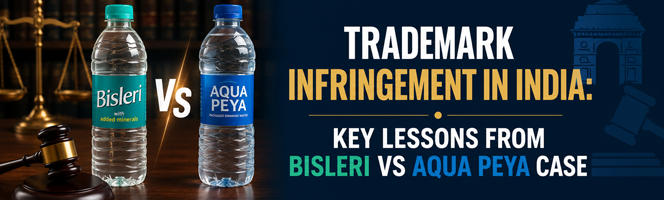
The Bisleri vs Aqua Peya trademark dispute highlights the importance of protecting intellectual property rights and maintaining a unique brand identity in India.

Explore the legal implications of AI-generated brand names, trademarks, branding risks, and the steps businesses should take to secure trademark protection.

WhatsApp chats have become an important form of electronic evidence in Indian legal proceedings, including divorce, family disputes, civil matters, and criminal cases.