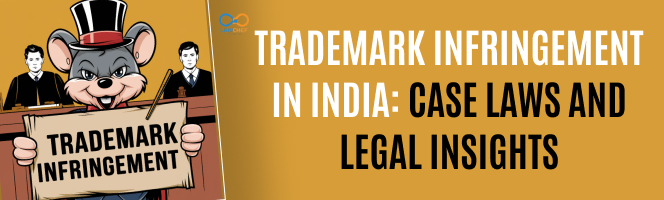
Trademark Infringement in India: Case Laws and Legal Insights

Trademarks are important in safeguarding the specificity of a business to ensure that its products or services are unique as compared to those of the competitors. The main act which regulates trademark infringement in India is the Trade Marks Act, 1999, which offers a comprehensive statutory guideline on the registration, enforcement, and remedies of the trademarks against unauthorized use. Considering the rising commercial competition today, companies are turning to the services of a trademark lawyer Delhi or any skilled trademark legal practitioner in Delhi with regard to protecting their intellectual property rights.
This paper focuses on discussing the concept of trademark infringement in India, major statutory laws, notable judicial rulings, existing defenses, and future trends and provides useful legal advice on trademark infringement to the trademark holder.
Understanding Trademark Infringement in India
The trademark infringement happens when a third party resorts to the use of a mark that is not only identical but also deceptively similar to a registered trademark when it applies to similar or the same goods or services. The Trade Mark Act, 1999, which defines the right and limitation of a registered proprietor, appears in sections 28 to 30. Section 29, the most important section of the infringement of trademarks, is the one that covers numerous cases of infringement, such as the likelihood of confusion, unfair advantage, and dilution of reputation.
In order to coin an infringement case, the registration of the trademark must be valid because it gives the proprietor exclusive statutory rights. The advice that a trademarks attorney in Delhi would give his or her customer is that the registration should be first done properly and then enforcement sought as far as a court is highly dependent on the registration as a prima facie evidence of ownership.
The Case Laws on Infringement of Trademarks
Kaviraj Pandit Durga Dutt Sharma v. Navaratna Pharmaceutical Laboratories (1965)
This historic decision formed the basis of the trademark infringement law in India. The Supreme Court found that similarity is not enough, the courts have to analyze the general similarity of appearance, sound and structure. The principle is used to this day by all trademark lawyers Delhi when determining whether infringement occurred or not.
Parle Products v. J.P. & Co., Mysore (1972)
The Supreme Court proposed the so-called test of deception meaning that trademarks should be viewed as a whole regarding the view of an average consumer. The court established that a copy of the trade dress and packaging of Parle-G caused confusion amongst the consumers. The case is commonly used by the trademark lawyers in Delhi in cases of packaging and trade dress.
Amritdhara Pharmacy v. Satya Deo Gupta (1963)
The Court focused on phonetic similarity, and it believed that the similarity of sounds produced by the marks can be confusing, even in cases where the marks are spelled differently. This is an important role in enforcement proceedings pursuant to Section 29 and is frequently applied by an excellent trademark attorney in Delhi in connection with misleading similar marks.
Role of Trademark registration in Infringement Actions
Registration of trademarks does not only give exclusivity as provided in Section 28 but also increases the enforcement of trademarks. In ITC Limited v. The court confirmed that, registered trademarks are statutorily protected, and that the proprietor of a registered trademark may prevent their misuse by infringers (Nestle India Limited, 2011).
Similarly, in Yahoo! Inc. v. Akash Arora & Anr. (1999). The Delhi High Court accepted domain names as a type of protectable intellectual property. This case ruled that trademark rights apply to the online setting, which is frequently used by a trademark litigator in Delhi when dealing with online cases.
Section 29: What shall be considered as Trademark Infringement
In Section 29, several situations that are infringement situations are expounded, such as the application of identical or misleadingly identical marks, use that creates confusion to the consumer, and taking advantage of the reputation of a registered trademark. Courts look at whether such usage results in inequitable advantage or watering of goodwill.
The Supreme Court under the case Cadila Health Care Ltd. v. Cadila Pharmaceuticals Ltd. (2001) pointed out to the public interest especially in pharmaceutical trademarks and that there should be no slightest confusion. The ruling has prompted trademark lawyers in Delhi to be more scrupulous of matters concerning healthcare.
Proof of Trademark Infringement
Registration grants the statutory rights, but the abuse of infringement demands the thorough consideration of various issues, including the uniqueness of the mark, character of products or services, consumer audience, and chances of the misunderstanding.
Daimler Benz Aktiegesellschaft vs. Hybo Hindustan (1994) The defendant was prohibited by the Delhi High Court to use the term Benz to refer to the undergarments when the court said that misuse of the term weakened the luxury image of a brand. This is the case frequently referred to by the most successful trademark attorney in Delhi in dilution and reputation-based proceedings.
Defenses to Trademarks Infringement
Statutory defenses to which the defendants would apply under Section 30 would be fair use, absence of deceptive intent, or registration invalidity of the plaintiff. Nevertheless, these defenses are followed to the letter.
In the case Tata Sons Ltd. v. Manu Kosuri (2001), it was found that the intention of the defendant was to take advantage of the goodwill of Tata and so the plea of fair use was rejected and the court restrained cybersquatting. This ruling is often quoted by trademark attorneys in Delhi that are called upon to deal with bad-faith registrations.
Emerging Trends in Trademark Infringement
Through the growth of digital, the issue of trademark infringement has been digitized. Misuse online in the area of using domain names, social media names, key word advertising, parallel imports and others has grown. The protection of digital trademarks by the courts is on the rise.
In People Interactive (I) Pvt. Ltd. v. Vivek Pahwa and Ors. (2021), the court focused on the issue of online infringement and domain name diversion, which serves as the reason to be more vigilant in enforcement. These instances underscore the reason why online brand protection is an aspect that a company would consider hiring an experienced trademark lawyer in Delhi.
Conclusion
Infringement of trademark is a very severe issue to brand value and consumer trust. The Trade Marks Act, 1999 with strong judicial precedents has offered good solutions to the trademark owners. Nevertheless, active registration, close observation, and early punishment are essential.
Hiring an expert trademark counsel in Delhi or contacting the most skilled trademark attorney in Delhi may add a lot of force to the implementation plan of a brand. In the emerging business environment, legal action with informed cases is the most important part of safeguarding the trademark rights and maintaining the commercial identity.
Latest Blog

Learn how professional legal drafting can protect your rights, prevent disputes, reduce legal risks, and strengthen your position before a case reaches court.
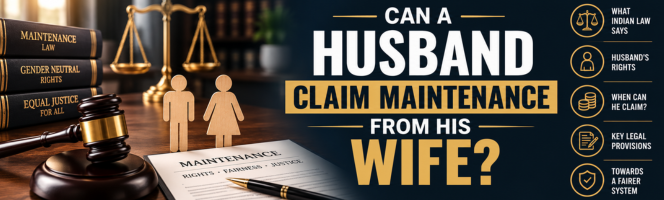
Understand when a husband can seek maintenance from his wife under Indian law. Learn about interim maintenance, financial dependency, court factors, and legal remedies.

Know the immediate steps to report online fraud, recover your money, file a cyber crime complaint, and seek legal assistance in India.
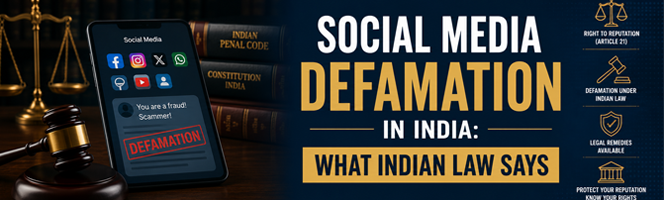
Social Media Defamation in India: What Indian Law Says explains how false statements, fake reviews, edited images, and misleading social media posts can damage the reputation of individuals and businesses.

This blog explains the importance of professionally drafted business contracts, including Vendor Contract Agreements, Client Service Agreements, and other commercial legal documents.
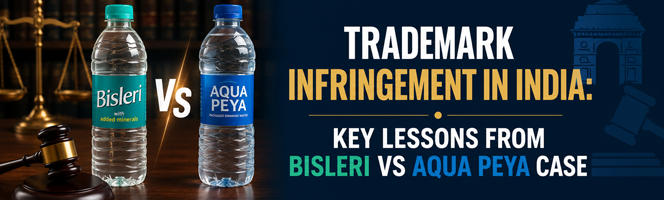
The Bisleri vs Aqua Peya trademark dispute highlights the importance of protecting intellectual property rights and maintaining a unique brand identity in India.
Explore the legal implications of AI-generated brand names, trademarks, branding risks, and the steps businesses should take to secure trademark protection.
WhatsApp chats have become an important form of electronic evidence in Indian legal proceedings, including divorce, family disputes, civil matters, and criminal cases.

This blog explains the importance of Intellectual Property (IP) protection for Instagram businesses, creators, influencers, and startups. It highlights how trademark registration helps protect brand identity, logos, content, and business reputation.