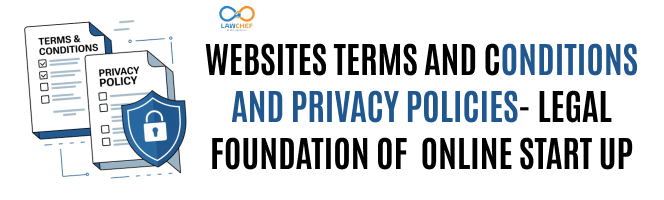
Why Terms & Conditions and Privacy Policies Matter for Startups

In an expanding online world, all online startups should be able to operate under a solid legal basis. Regardless of whether you are operating an e-commerce business, SaaS-based business, online service, or a mobile application, it is necessary to have a properly written terms and conditions agreement and privacy policy. These policies are your business legal fortress that guarantees your rights, responsibility of users, and adherence to laws of data. Lack of proper terms and conditions of the website exposes the startups to risks of misusing their data, conflicts, fines, as well as loss of credit.
A lot of founders are interested in branding and development, and do not pay attention to legal compliance. This negligence will eventually become lawsuits, user complaints and regulatory measures. A call to a certified website development agreement attorney in Delhi, with his or her knowledge of tech-law, cyber compliance and data-protection toward your startup would be a wise move to protect your business.
Why Terms and Conditions are important for Online Start-ups
A terms and conditions agreement is the rulebook that will regulate the interaction between the user and your site or digital product. It specifies what is acceptable, provides policies and gives you legal power to act in case of breaches.
The terms and conditions concerning the website should be properly written to include:
- User rights and obligations
- Website usage rules
- Intellectual property rights and ownership.
- Rules of payment, billing and refund.
- Limitation of liability
- It has termination and suspension rules.
- Dispute resolution method
Within the start-up, generic templates online are usually used, which is risky. Each business model is different in its requirements, what can fit in a marketplace may not fit in a SaaS business. A skilled attorney to create the website development agreement and terms will help you to make sure that the policies fit the functionality of your platform and safeguard your startup successfully.
Significance of Privacy Policy to Online Business
Privacy policy clarifies the data that your startup gathers, retains, utilizes, and secures in relation to user information. As more attention is paid to data privacy, it is a compliance requirement with Indian and international data laws such as:
- Digital Personal Data Protection Act (DPDP Act), India.
- GDPR (where the business conducts transactions with EU users)
- IT Act & IT Rules
An acceptable privacy policy should state:
- Types of data collected
- Purpose of data usage
- Information security and storage.
- User data rights
- Third party sharing disclosure.
- Withdrawal and consent policy.
Even a privacy policy that has not been complied with may draw in liability. Startups, therefore, should collaborate with professionals such as the lawyer who specializes in the development of websites agreement in Delhi and is well conversant with cyber law and privacy regulations.
Protecting your Business with These Policies
Website and privacy policy terms and conditions are appropriate and help in:
- Preventing legal disputes
- Alleviating punishment in case of non-compliance.
- Building customer trust
- Managing user expectations
- Secrecy of intellectual property.
- Regulating website usage
- Capping the losses in case of loss or data breach.
You do not have enforceable rights over your startup without a terms and conditions agreement being customized. In the same way, there might be regulatory issues that your business might encounter in the absence of legally correct privacy policies.
Most startups use free templates, which usually do not have jurisdiction-based provisions, compliance-related provisions, dispute procedures, and protective provisions. Formularies collapse in conflict situations.
The benefits of having a lawyer in Delhi to develop a website include
- Optional specifications depending on the platform.
- Adherence to the Indian and international laws.
- Appropriate user approval systems.
- Inclusion in the word cybersecurity.
- Revised DPDP Act, data retention policies and cookie policies.
Also, when your business contracts developers or designers, you will require a lawyer to sign an agreement on website development to guard your IP rights as well as to ensure that all the code, content and design are owned by your company.
Major Clauses Your Terms and Conditions should have
Any startup must make sure that its terms and conditions of the website comprise:
- Copyright & IP ownership
- User conduct prohibitions
- Liability capping and disclaimer.
- Return policy (where applicable) etc.
- Service termination rights
- Jurisdiction and dispute resolution.
- Governing law statement
- Protection and safety provisions of data.
An effective terms and conditions agreement creates a level of control and protection against fraudulent users to your startup.
Conclusion
To start a successful startup, it is necessary to have more than just coding and marketing, it should have good legal infrastructure. The agreement of your terms and conditions and your privacy policy are the legal basis of your online presence, guaranteeing conformity, trust and risk prevention.
Using the help of the specialist in the field of the agreement of the website development in Delhi, you will be sure that not only the policies are legally correct, but also they are kept corresponding to your business model. It does not matter whether you are starting a marketplace, app, or a tech platform, it is best to use the services of a professional lawyer to avoid disputes and compliance inconvenience in the future with an agreement on the development of the site and draw up policies.
Invest now in correct terms and conditions of web and data policies - they secure your business now and in the future and create a brand trust in the long term.
Latest Blog
Learn how professional legal drafting can protect your rights, prevent disputes, reduce legal risks, and strengthen your position before a case reaches court.
Understand when a husband can seek maintenance from his wife under Indian law. Learn about interim maintenance, financial dependency, court factors, and legal remedies.
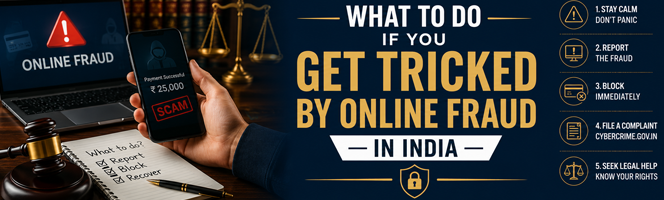
Know the immediate steps to report online fraud, recover your money, file a cyber crime complaint, and seek legal assistance in India.
Social Media Defamation in India: What Indian Law Says explains how false statements, fake reviews, edited images, and misleading social media posts can damage the reputation of individuals and businesses.

This blog explains the importance of professionally drafted business contracts, including Vendor Contract Agreements, Client Service Agreements, and other commercial legal documents.
The Bisleri vs Aqua Peya trademark dispute highlights the importance of protecting intellectual property rights and maintaining a unique brand identity in India.
Explore the legal implications of AI-generated brand names, trademarks, branding risks, and the steps businesses should take to secure trademark protection.
WhatsApp chats have become an important form of electronic evidence in Indian legal proceedings, including divorce, family disputes, civil matters, and criminal cases.
This blog explains the importance of Intellectual Property (IP) protection for Instagram businesses, creators, influencers, and startups. It highlights how trademark registration helps protect brand identity, logos, content, and business reputation.