
Distinction between Dissolution of Partnership and the Dissolution of Firm

Introduction
The two terms, Partnership dissolution and firm dissolution are used interchangeably in the context of partnership law, but they have a different legal meaning. This distinction is important to the partners, businesses and legal professionals that deal with a partnership dissolution agreement or offer advice on the dissolution of partnership firm under Indian law. These aspects are governed by the Indian Partnership Act, 1932, which gives a clear picture of the acts in both cases.
Definition of Dissolution of Partnership
Dissolution of partnership can be described as when relationship of partners changes under some circumstances as a result of entry or retirement of a partner, a partner dies, or becomes insolvent. In this regard, the partnership company may still retain its business under a renewed platform.
Type of Dissolution of partnership is in simple terms that does not terminate the firm but merely changes the internal relationship of the partners. It does not stop the business activities and only the composition of partners is altered.
Meaning of Dissolution of Firm
Dissolution of firm on the other hand implies the ultimate termination of the business. It entails ending all relationships between partners and the closure of the affairs of the firm.
Here, a firm will no longer exist, assets will be liquidated and the liabilities will be settled and the rest of the surplus will be shared among the partners. Liquidation of company leads to the ultimate dissolution of the partnership.
Key Difference between the two Concepts
The major difference is in the continuity of the business. Dissolution of partnership enables the business to proceed with a new form, but dissolution of firm puts into an end the business itself.
The other aspect of difference is that the partnership can be dissolved more than once without interfering with the firm whereas the individual firm can be dissolved once and the whole business ceases to exist.
Legal Provisions Governing Dissolution
The concepts have various provisions under the Indian Partnership Act. Dissolution of partnership comes as a result of changes in the relationship of the partnership whereas dissolution of firm is an arrangement with specific provisions which concern the full winding-up of the firm.
In both cases, the settlements and rights as well as liabilities of the partners can only be defined by the way a partnership dissolution agreement is properly drafted.
Reasons of Dissolution of Partnership
Partnership may be dissolved under many reasons such as introduction of a new partner, retirement of an existing partner, death of a partner and by mutual consent of partners.
In that case, the other partners can determine to proceed with the business and a new contract is usually signed to depict the altered relationship. This makes continuity and does not compromise the identity of the firm.
Causes of Dissolution of Firm
The winding up of the firm can occur through mutual agreement, expiry of the term of the partnership, fulfillment of the business purpose, insubordiacy of the partners, or by the order of the court.
When firm dissolution takes place, then the business cannot proceed in the same manner. The operations of the firm are halted and the winding up process starts.
Role of Partnership Dissolution Agreement
Partnership dissolution agreement is crucial in dissolution of partnership as well as dissolution of firm. It provides a description of separation terms, settlement of accounts, assets distribution, and liabilities.
In the event of dissolution of partnership firm such agreement helps in ensuring that disagreements are reduced to minimum and the transition is easy. It also assists in the clear definition of the rights of outgoing and continuing partners.
Settlement of Accounts
The accounts in dissolution of partnership are adjusted between partners depending on the new agreement. The company remains in operation and the partner who is on the way out is the only one whose share is paid.
During the dissolution of firm, all the accounts are paid in full. The assets of the firm are sold, the liabilities of the firm are discharged and the balance is shared among the partners in their profit-sharing proportion.
Practical Implications
It is necessary to know the distinction between dissolution of partnership and dissolution of firm in order to make wise decisions regarding businesses. Partnership dissolution gives flexibility and perpetuities whereas firm dissolution implies conclusion and closure.
Dissolution of partnership tends to be desirable to businesses which are being restructured. Nevertheless, in cases where the company becomes unsustainable or partners are dissatisfied with their relationship altogether, dissolution of firm is required.
Importance of Legal Clarity
The clarity of the law in either instance is important in order to minimize conflicts and adherence to the statutory requirements. A well-written partnership dissolution agreement will assist in advancing the interests of everyone involved.
When partnership firm is dissolved, professional legal advice is always requested to facilitate a smooth process that is within the law.
Conclusion
Dissolution of partnership versus dissolution of firm is the difference between the continuation of business and the disbanding of business. Although the dissolution of partnership causes a shift on the relation between the partners, dissolution of firm causes the total ending of the business.
These notions, as well as a properly drawn up agreement of the dissolution of partnership, are needed to make sure that the transition is smooth and to prevent any legal issues in any situation of the dissolution of partnership firm.
Latest Blog

Learn about BNS Section 69, including false promises to marry, criminal liability, bail options, relevant evidence, and available legal remedies.

Learn about the legal remedies available when police refuse to register an FIR for a cognizable offence under the BNSS. Understand the role of the Superintendent of Police, Magistrate, Section 173(4), Section 175(3), and Zero FIR.

Learn how professional legal drafting can protect your rights, prevent disputes, reduce legal risks, and strengthen your position before a case reaches court.

Understand when a husband can seek maintenance from his wife under Indian law. Learn about interim maintenance, financial dependency, court factors, and legal remedies.

Know the immediate steps to report online fraud, recover your money, file a cyber crime complaint, and seek legal assistance in India.

Social Media Defamation in India: What Indian Law Says explains how false statements, fake reviews, edited images, and misleading social media posts can damage the reputation of individuals and businesses.

This blog explains the importance of professionally drafted business contracts, including Vendor Contract Agreements, Client Service Agreements, and other commercial legal documents.
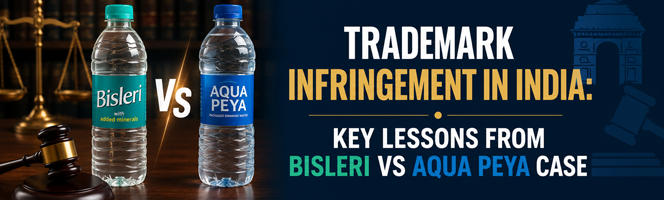
The Bisleri vs Aqua Peya trademark dispute highlights the importance of protecting intellectual property rights and maintaining a unique brand identity in India.

Explore the legal implications of AI-generated brand names, trademarks, branding risks, and the steps businesses should take to secure trademark protection.