Learn the importance of a Shareholders Agreement for small businesses

A Shareholders’ Agreement is a legal document that describes the rights, duties, and responsibilities of the shareholders in a company. It typically covers issues like the management of the company, shareholders' rights, share transfer, and dispute resolution mechanisms. A shareholder must have a shareholders' agreement to ensure no potential risks arise later on; it can be done with the help of a lawyer or attorney.
The Importance of Shareholders Agreement for Small Businesses
Clarifies Roles and Responsibilities
Management Structure: This explains how the business will be operated, including the roles directors and shareholders play.
Decision-Making: The procedure for making significant business decisions is established to bring clarity and reduce conflicts.
Protects Minority Shareholders
Voting Rights: This ensures that minority shareholders have a voice in key decisions regarding the firm.
Exit Strategy: This allows minority shareholders to leave by selling shares at reasonable prices.
Regulates Share Transfers
Transfer Restrictions: To protect against unwanted third parties becoming shareholders, rules are put in place concerning share transfers.
Pre-emption Rights: They enable current investors to buy shares before they are offered to outsiders.
Dispute Resolution
Some ways of solving disputes include talks with a mediator or an arbitrator, which can save time and money compared to litigation.
Financial Contributions
This is where shareholders commit themselves to providing capital and how they plan on raising funds.
Debt and Equity
It prescribes the issuance of new shares or borrowing money.
Succession Planning
This contains provisions on what happens if a shareholder dies, no longer has capacity, or wants to leave the business.
Buy-Sell Agreements
These are in place so that, when circumstances arise, there is preparedness for buying or selling shares.
Confidentiality
Shareholders promise to safeguard sensitive company information from unauthorized disclosure.
Non-compete
During their engagement and after leaving the company, this prohibits shareholders from entering into partnerships with competitors or setting up similar businesses themselves.
Tailored Agreements
Small businesses can make their own agreements according to their specific requirements and situations.
Adaptability
It is changeable as the business grows and changes in its environment.
In total, a successful Shareholders' Agreement sets out guidelines for governing small corporations; thus it limits chances of misunderstandings between stakeholders, controversies, lawsuits, and makes it possible for these enterprises to continue operation without any obstacles, thereby promoting a stable and successful business environment.
How Lawyers Help in Drafting a Shareholder Agreement and All Other Processes
An important role of attorneys is to write up shareholder agreements and carry out the entire process. This agreement is adjusted to match specific preferences by the business as well as the shareholders, with its language being clear, precise, and legally enforceable. Lawyers also ensure that all laws and rules are followed in relation to this contract.
In these articles of association, lawyers define the powers, rights, and duties of each investor, frame procedures for decision-making, and impose conditions on share transfers, including any pre-emptive rights or restrictions. They come up with approaches for settling conflicts between shareholders or enabling a shareholder exit, such as buyout clauses and valuation methods.
Lawyers also help negotiate terms among stakeholders to make them agree through facilitating discussions. Moreover, they engage in due diligence procedures aimed at identifying possible concerns while ensuring that all relevant information has been provided accordingly. Lawyers also confirm adherence to corporate governance guidelines and compliance with regulatory requirements regularly. In addition, they can update it when there are changes in the legal or business environment, thus mediating disagreements between disputing parties and offering conflict resolution services when needed.
Latest Blog
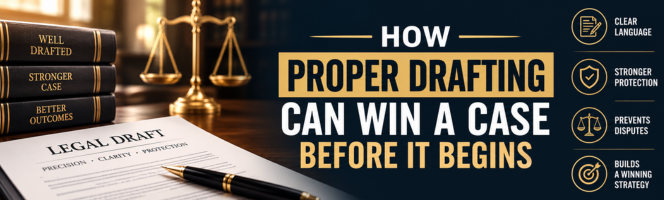
Learn how professional legal drafting can protect your rights, prevent disputes, reduce legal risks, and strengthen your position before a case reaches court.
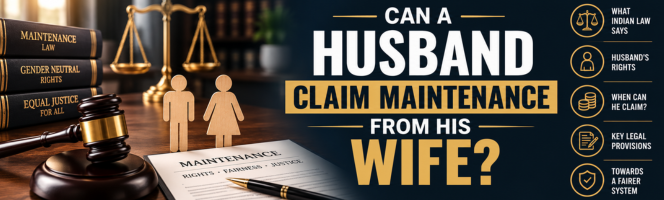
Understand when a husband can seek maintenance from his wife under Indian law. Learn about interim maintenance, financial dependency, court factors, and legal remedies.
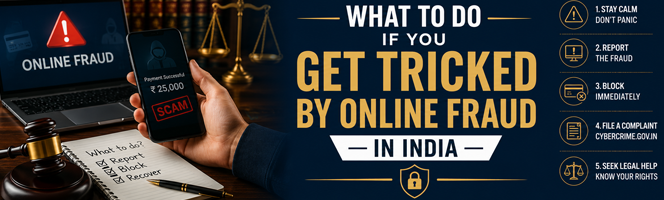
Know the immediate steps to report online fraud, recover your money, file a cyber crime complaint, and seek legal assistance in India.
Social Media Defamation in India: What Indian Law Says explains how false statements, fake reviews, edited images, and misleading social media posts can damage the reputation of individuals and businesses.

This blog explains the importance of professionally drafted business contracts, including Vendor Contract Agreements, Client Service Agreements, and other commercial legal documents.
The Bisleri vs Aqua Peya trademark dispute highlights the importance of protecting intellectual property rights and maintaining a unique brand identity in India.

Explore the legal implications of AI-generated brand names, trademarks, branding risks, and the steps businesses should take to secure trademark protection.

WhatsApp chats have become an important form of electronic evidence in Indian legal proceedings, including divorce, family disputes, civil matters, and criminal cases.

This blog explains the importance of Intellectual Property (IP) protection for Instagram businesses, creators, influencers, and startups. It highlights how trademark registration helps protect brand identity, logos, content, and business reputation.