
How to Write an Effective Police Complaint: Tips and Templates

Writing a police complaint can be very intimidating. Especially if you do not know the law, and do not have lawyers for police complaint cunning which allows things to be turned just so. Whether it's corruption or robbery, effective complaints with your local police are important. You not only want your problems taken seriously, but also addressed by authorities of some kind. By filing a police complaint that is detailed, clear, and well laid out, you raise the prospects for a positive result. In this article, we will take you through the steps to file a successful complaint and provide some template forms. If you feel overwhelmed, hiring a police complaint lawyer or a group of lawyers to help file complaints can help guide your course.
Tips on Writing an Effective Police Complaint
In order to make a police complaint, you need to offer clear and simple information. Don't use language that's overly technical or too detailed, which might confuse the police. Stick to facts, make them relatively logical and keep your complaint precise.
Use A Formal Tone
A police complaint is a legal document, so it is essential to maintain a formal and respectful tone. Whether you are talking about your complaint in person or committing it to paper, make sure you remain polite and courteous. Don't use emotionally loaded language or make accusations against others unless you have conclusive evidence.
Give Full and Correct Details
For your police complaint to be effective, include complete and accurate detailing such as:
- The date, time, and place of action
- The names and descriptions of any parties involved
- Any witnesses to the incident and corroborative evidence (such as photographs, videos or documents)
- A description of what took place, including actions and remarks
The more information you provide, the more effective your police complaint will be.
Write Facts Not Opinions or Assumptions
A police complaint should be based on what you saw, heard, or experienced. Don't speculate about someone's intentions, motives and so on, unless you have hard evidence for your claims.
Include Contact Information
Write your name, address, telephone number, and email. It is better to include all of your contact information. Supposing the police need further information from you and can be quickly contacted to get this data, then including it is imperatively necessary. If you feel at risk or wish to remain anonymous, one option is that you could inquire about filing a complaint anonymously. This, however, might limit its effectiveness.
Remain Professional when Reporting Police Abuses
If your police complaint is about police misconduct, be especially careful of your wording. Make absolutely certain that your complaint is all about what the officer did and how what they were doing went against either your rights or professional conduct. Keep your feelings separate from the complaint and base everything on evidence. Should you need legal help, you might wish to hire a police complaint lawyer to help you put together a strong case.
Keep Up with Your Complaint
After you have filed your police complaint, make common follow-up inquiries regularly into the process of working on it. If no word comes back from them, you might need to take the matter further up the echelons. A police complaint lawyer can be very helpful in these situations; their job includes helping you to monitor your case and advising you which steps are best.
Sample Template for Writing a Police Complaint
Here is a simple police complaint template. You can change it according to your situation:
[Your Name]
[Your Address]
[City, State, ZIP]
[Phone Number]
[Email Address]
Date: [Insert Date]

To:
Officer in Charge
[Police Station Name]
[Address: Station Address]
[City, State, ZIP: DEFAULT]

Subject: Complaint to Police about [Brief description of the event]

Dear Sir/Madam,

I am writing to request that you lodge a formal complaint with the police force about an incident which took place on [Date] this year and time [Time], probably at [Location]. Specifically:

Incident Description: On [Date] I was a victim of assault, [summarize the crime]. [Narrate the situation in clear and objective tones].

Participants: People involved in this case included [name or descriptions]. [If appropriate, add their roles in the incident such as "suspect" or "witness"].

Witnesses: [If there are any witnesses, please include their names and contact information. Where you have it, give evidence 'photos or camera footage'].

Evidence: [If you have any supporting documents, photos or video evidence bank statements or medical records attached].

Request for Action: Please investigate this matter thoroughly and if necessary take suitable measures to see that justice is done. Kindly keep me informed if further information is needed, and also inform me about the actions that will be taken on this matter.

Thank you for your attention to this matter.

Yours truly,
[Your Name]
The sample template provided here is for reference purposes only. It’s important to customize your police complaint according to your individual circumstances. Writing a police complaint more accurately and legally sound requires you to consult a lawyer for police complaints or a lawyer experienced with police complaint cases who can ensure that your matter is properly handled in court.
When to Get Legal Help
When filing a police complaint, the procedure may become quite complicated, particularly in instances of police misconduct or complex legal situations. In this kind of situation, one should consult a police complaint lawyer. A police complaint lawyer can lead you through the legal, help you prepare the necessary evidence, and ensure that your rights are safeguarded in the course of things.
Latest Blog
Learn how professional legal drafting can protect your rights, prevent disputes, reduce legal risks, and strengthen your position before a case reaches court.
Understand when a husband can seek maintenance from his wife under Indian law. Learn about interim maintenance, financial dependency, court factors, and legal remedies.
Know the immediate steps to report online fraud, recover your money, file a cyber crime complaint, and seek legal assistance in India.
Social Media Defamation in India: What Indian Law Says explains how false statements, fake reviews, edited images, and misleading social media posts can damage the reputation of individuals and businesses.

This blog explains the importance of professionally drafted business contracts, including Vendor Contract Agreements, Client Service Agreements, and other commercial legal documents.
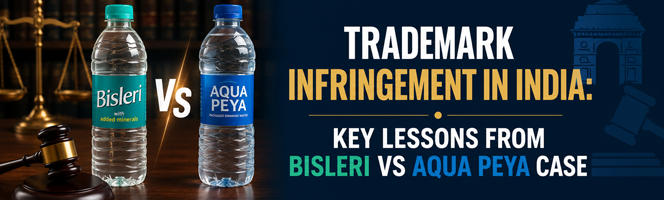
The Bisleri vs Aqua Peya trademark dispute highlights the importance of protecting intellectual property rights and maintaining a unique brand identity in India.

Explore the legal implications of AI-generated brand names, trademarks, branding risks, and the steps businesses should take to secure trademark protection.

WhatsApp chats have become an important form of electronic evidence in Indian legal proceedings, including divorce, family disputes, civil matters, and criminal cases.

This blog explains the importance of Intellectual Property (IP) protection for Instagram businesses, creators, influencers, and startups. It highlights how trademark registration helps protect brand identity, logos, content, and business reputation.