How to draft a Data Privacy Policy for Websites and Apps

In the modern digital world, any Internet site and mobile application should include a clear and transparent Data Privacy Policy. Not only is it a legal requirement but also it is an essential tool of trust-building to the users. Regardless of whether you are starting an online shop or SaaS platform, or a mobile application, a privacy policy provides an explanation of how user information is gathered, processed, stored, and shared. Legal experts are usually approached by businesses during the writing of such documents as they would in the case of a website development services agreement in order to make sure that the policy is not contrary to the laws of data protection.
Although most of the companies attempt to develop their privacy policy by use of online templates, the most secure measure is to engage a professional who is knowledgeable on legal, technical and compliance measures. That is why, the companies often seek the services of a lawyer specializing in website development agreement in Delhi or find the lawyer specializing in the sphere of website development agreement and able to help to create privacy policy, terms of service, and other compliance documents.
Why a Data Privacy Policy Is Necessary
The current users are very sensitive about the way their information is being utilized. An elaborate privacy policy assists:
- Build trust
- Secure the business in a legal way.
- Comply with privacy laws
- Escape expensive fines and lawsuits.
Similarly to preparing an agreement on developing a website, a privacy policy should be prepared in a clear, transparent, and properly structured manner. The developer of a professional website agreement lawyer in Delhi makes sure that the policy considers all the legal requirements in Indian laws like Digital Personal Data Protection (DPDP) Act 2023, IT Act, and international laws like GDPR (where applicable).
Important Components of an effective Data Privacy Policy
1. Types of Data You Collect
Start by enumerating all types of personal and sensitive data that your site or application captures like:
- Name
- Phone number
- Location data
- Payment information
- Device details
- Usage analytics
An experienced lawyer in the area of development agreement websites will always recommend to the client to ensure that such type of data is specified to prevent claims of data tracking undercover or unauthorized processing.
2. Purpose of Data Collection
Discuss the reason why the data is being gathered:
- To provide services
- To improve user experience
- For authentication
- To market and communicate.
- To check analytics and security.
Similar to the purpose declaration in an agreement of services development of a web site, your privacy policy should declare the purpose in an easy, user-friendly language.
3. Sharing Data and Access by the Third Party
Warned users of any third parties that can have access to their data:
- Payment processors
- Hosting providers
- Analytics tools
- Marketing platforms
A web development contract lawyer in Delhi will make sure that you meet rules and regulations of data-sharing disclosure and formulate concise clauses, which clarify the responsibility between your company and the third-party processors.
4. User Rights & Choices
Your policy should be clear on what the users have a right to under the Indian and international laws:
- Right to access
- Right to correction
- Right to deletion
- Right to withdraw consent
- Right to data portability
The rights will be correlated with the legal framework and your operating possibilities with the help of a professional lawyer who specializes in the agreement of website development.
5. Consent Mechanisms
Businesses have compliance rules that mandate the clear consent. This includes:
- Checkbox consents
- Cookie banners
- Opt-in forms
Similarly, to an agreement on a website development service, the duties of both parties have been outlined, so too should your privacy policy, detailing the way user consent is gathered and handled.
6. Data Retention, Data Security and Data Storage
You need to specify where you store the data, the duration of time you keep it, and the security measures that you observe including:
- Encryption
- Access controls
- Server protections
- Periodic audits
An agreement lawyer specializing in the development of websites in Delhi can assist in ensuring that this section is in line with the DPDP Act and other data security provisions.
7. Cookies and Tracking Technologies
In case of the use of cookies, tracking pixels, or other analytic scripts on your site or app, you should include a notice. Users must know:
- Which cookies are used?
- What information is tracked
- How they can disable cookies
The website development agreement lawyer will make your cookie policy in line with international standards.
8. Data Transfer Outside India
In case your application or web site is transferring data to non-Indian servers, then this should be mentioned clearly. There are limitations within the Indian law, and an experienced lawyer in website development in Delhi can advise you on regulations to cross-border data transfer.
9. Contact Information & Redressal of Grievances
A privacy policy should contain:
- Support email
- Grievance officer name
- Address for complaints
As a site development services agreement would need point of contact information, your privacy policy should be able to provide information on whom the users can contact in case of concern or correction.
The importance of Professional Drafting
To write a privacy policy, one has to be deeply knowledgeable about:
- Data protection laws
- Website functioning
- App architecture
- Third-party integrations
- User rights compliance
By using duplicated templates, a business can unwillingly break the rules of privacy. That is why the experienced professionals, e.g., the lawyer of website development agreement in Delhi or the lawyer specializing in the sphere of agreement in website development, are addressed by the entrepreneur who is aware of the technology and the legal aspect of data protection.
These specialists also normally help with related documentations such as:
- Terms of use
- Return and refund policies
- Disclaimer pages
- E-commerce policies
- Software or Web site development services agreement.
Conclusion
A properly written Data Privacy Policy does not only safeguard your users, but it also helps to build your brand as well as to ensure that your business is lawful. Regardless of whether you are running a web site, mobile application, digital marketplace, or SaaS, you should have a privacy policy that is easy to understand, legal, and regularly revised.
When you have an experienced lawyer in creating a website development agreement in Delhi, or you have employed a professional lawyer to create a website development agreement, you are certain that your policies are correct, conforming and specific to your operations. Companies that already use professionals to formulate an agreement to develop a website have the same degree of legal accuracy in their privacy policies-safety, credibility, and trust in the long term.
Latest Blog
Learn about BNS Section 69, including false promises to marry, criminal liability, bail options, relevant evidence, and available legal remedies.
Learn about the legal remedies available when police refuse to register an FIR for a cognizable offence under the BNSS. Understand the role of the Superintendent of Police, Magistrate, Section 173(4), Section 175(3), and Zero FIR.
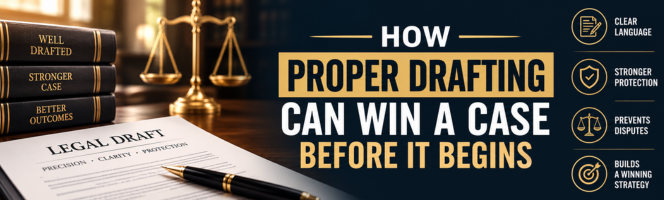
Learn how professional legal drafting can protect your rights, prevent disputes, reduce legal risks, and strengthen your position before a case reaches court.
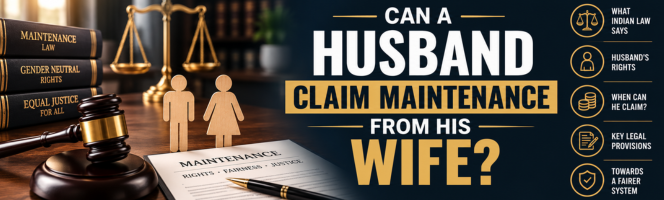
Understand when a husband can seek maintenance from his wife under Indian law. Learn about interim maintenance, financial dependency, court factors, and legal remedies.

Know the immediate steps to report online fraud, recover your money, file a cyber crime complaint, and seek legal assistance in India.
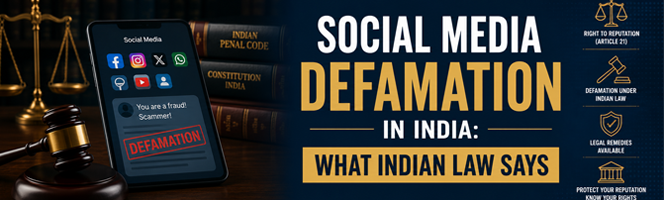
Social Media Defamation in India: What Indian Law Says explains how false statements, fake reviews, edited images, and misleading social media posts can damage the reputation of individuals and businesses.

This blog explains the importance of professionally drafted business contracts, including Vendor Contract Agreements, Client Service Agreements, and other commercial legal documents.
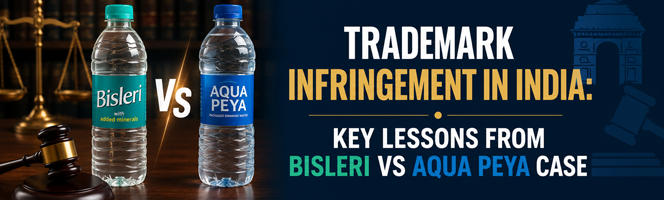
The Bisleri vs Aqua Peya trademark dispute highlights the importance of protecting intellectual property rights and maintaining a unique brand identity in India.

Explore the legal implications of AI-generated brand names, trademarks, branding risks, and the steps businesses should take to secure trademark protection.