
Loan Defaulters in India: Legal, Remedies, and Practical Solutions

Loan defaults have become a major issue to the financial system of India, which is impacting the banks, the financial institutions as well as the stability of the economy in general. As credit facilities have been advanced at a very high rate to individuals and business organizations, loans have taken the form of a major economic growth ingredient. Non-performing assets (NPAs) have however been increasing as well due to increasing loan defaulters hence putting significant pressure on lenders. In order to mitigate this, the Indian law offers an elaborate set of legal remedies and mechanisms of actions to balance interests of the lenders and protect the rights of borrowers.
The blog examines the idea of loan default, the legal frameworks that can be used against loan defaulters in India, the importance of credit reporting agencies and how best to effectively solve the situation of loan default.
What is a Default in a Loan?
Loan default refers to a situation where a borrower will not be able to repay the loan itself or even part of it to the lender according to the terms and conditions that have been stipulated between the lender and the borrower. A default can mean one missed payment or continued default in servicing the loan at an extended time. The cause of the loan defaults could be a combination of the following factors like financial mismanagement, loss of income, failure of business, economic downturns, medical emergency or any unpredicted personal situations.
In some situations, the defaults can be defined as wilful, in such situations the borrower is able to make repayments and chooses not to make repayments. The impact of defaulting on loans may be deadly such as legal proceedings, taking of secured property, negative presence in creditworthiness, and permanent financial distress.
Legal Framework for Action against Loan Defaulters
India has also come up with a strong legal platform with which banks and other financial institutions recover outstanding dues effectively. The most important laws that guide the measures against loan defaulters are explained below.
The SARFAESI Act, 2002
One of the most effective recovery tools that the banks and financial institutions have is the Securitisation and Reconstruction of Financial Assets and Enforcement of Security Interest Act, 2002. According to this law, the lenders have the authority to foreclose their security interest without visiting the courts upon the loan account being declared a non-performing asset.
This process normally starts when the borrower is issued with a notice of demand to repay the pending amount within a period of sixty days. In case, the borrower does not comply, the person who has provided the loan can acquire possession of the assets which are also secured and sell them to get a refund of the loan. The SARFAESI Act greatly streamlines recovery action and avoids the use of protracted litigation.
Recovery of Debts Due to Banks and other Financial Institutions, 1993
The RDDBFI Act also establishes an initiative known as Debt Recovery Tribunals (DRTs) and Debt Recovery Appellate Tribunals (DRATs) to expedite the process of recovery claims by banks and financial institutions. The lenders can apply to the DRT to recover the outstanding debt when the debt amount exceeds the stipulated amount of money.
DRTs have the authority to issue recovery orders, put collaterals and coordinate enforcing actions. This process will guarantee quicker settlement than the normal civil courts.
Bankruptcy and Insolvency Code, 2016
Insolvency and Bankruptcy Code was implemented with an aim of consolidating the insolvency law and offering a time-limited procedure of solving the financial distressed of companies and people. When corporate borrowers fail in the repayment of loans, the financial creditors can take insolvency action in the National Company Law Tribunal.
The IBC is not only aimed at recovering, but resolving insolvency by restructuring. In case no possible resolution plan is passed within the laid down period, the assets of the debtor may be liquidated to pay off the creditors.
Criminal Proceedings Penal Law
Criminal action can also be taken against loan defaulters in situations of fraud, deception or bad intention. Criminal breach of trust and cheating can be resorted to in cases where one has the evidence of wilful default or misappropriation of money. Nonetheless, criminal behavior is normally limited to extraordinary instances of fraudulent behavior as opposed to the actual dire need.
Functions of Credit Information Companies
Credit Information Companies are also important in the surveillance and reporting of credit behavior of the borrowers. These agencies have elaborate accounts of loan repayment records and provide credit ratings according to financial discipline.
In case a borrower defaults, the lenders will report the default to credit information companies and this will result in downgrade of the credit score of a borrower. Low credit rating is a negative influence on the borrower and the future borrowing and increase in interest charges or decline in credit application. This system serves as a deterring factor against irresponsible borrowing and promotes a prompt repayment.
Strategic Loan Defaults Management Solutions
The resolution to loan defaults should be done in a balanced manner so as to focus on recovery and at the same time maintain the relationship between the lender and the customer at all costs. There are a number of viable solutions that can be used to deal with defaults.
Loan Restructuring
The initial move in the solution of financial distress is loan restructuring. It is a process of altering the conditions of repayment of a loan by lengthening the period of the loan, cutting back of interest, or even putting a temporary hold on the loan. Restructuring provides a solution much needed by the borrowers even as lenders recoup their dues in the long-term.
One-Time Settlement
In appropriate circumstances, the lenders can provide a single settlement where a borrower can make a payment of a certain amount of a negotiated value of the outstanding debt as a full and final settlement. Although this might mean that the lender will suffer financially, it will aid in the reduction of NPAs and will also help in faster recovery.
Negotiation and Mediation
Negotiation and mediation represent good examples of non-litigious approaches to loan defaults. Strategic talks between lenders and borrowers will enable them to agree on solutions that are acceptable without involving legal action. The mediation is also useful in saving business relationships and minimizing litigation costs.
Legal Enforcement
Lenders can resort to the law to resolve the situation by the amicable means; enforcement via the SARFAESI Act, proceedings before the DRT or insolvency via the IBC. Legal action is not always time-consuming and costly, but in the situations where large defaults or uncooperative borrowers are involved, it is sometimes essential.
Preventive Measures
As much as loan defaults can be resolved, they should be prevented. Banking institutions can reduce the number of case of defaults through undertaking credit checks, applying effective risk management methods, frequent review of loan accounts, and provision of early intervention guidance to troubled borrowers.
Conclusion
Loans defaults pose a complicated issue that involves enforcement of the law, strategic alleviation and preventive approaches. There are several mechanisms of the SARFAESI Act, RDDBFI Act, and Insolvency and Bankruptcy Code in Indian law to deal with the defaults on loans. Litigation must however be the last option and alternative consideration should be restructuring, negotiation and settlement.
To borrowers, it is best to know the repercussions of default, and proactive action with the lenders would prevent serious legal and financial consequences. The joint approach will mutually benefit, the financial system will not be under stress, and the economy will be more stable.
In their pursuit of achieving balance and informed approach, banks and other financial institutions will be able to retrieve dues effectively without losing the trust and sustainability in the credit ecosystem.
Latest Blog

Learn about the legal remedies available when police refuse to register an FIR for a cognizable offence under the BNSS. Understand the role of the Superintendent of Police, Magistrate, Section 173(4), Section 175(3), and Zero FIR.
Learn how professional legal drafting can protect your rights, prevent disputes, reduce legal risks, and strengthen your position before a case reaches court.
Understand when a husband can seek maintenance from his wife under Indian law. Learn about interim maintenance, financial dependency, court factors, and legal remedies.
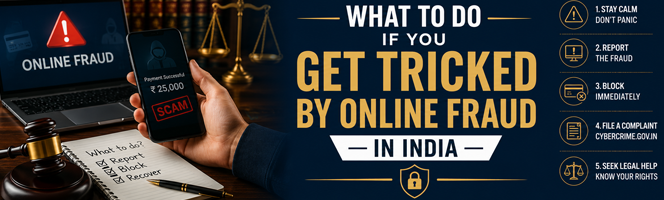
Know the immediate steps to report online fraud, recover your money, file a cyber crime complaint, and seek legal assistance in India.
Social Media Defamation in India: What Indian Law Says explains how false statements, fake reviews, edited images, and misleading social media posts can damage the reputation of individuals and businesses.

This blog explains the importance of professionally drafted business contracts, including Vendor Contract Agreements, Client Service Agreements, and other commercial legal documents.
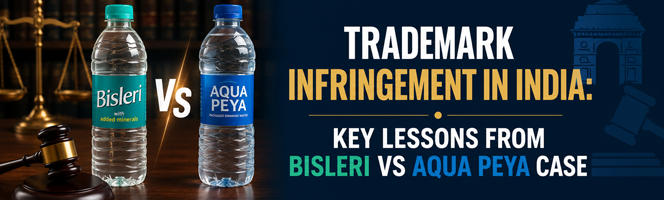
The Bisleri vs Aqua Peya trademark dispute highlights the importance of protecting intellectual property rights and maintaining a unique brand identity in India.
Explore the legal implications of AI-generated brand names, trademarks, branding risks, and the steps businesses should take to secure trademark protection.

WhatsApp chats have become an important form of electronic evidence in Indian legal proceedings, including divorce, family disputes, civil matters, and criminal cases.