How to Draft a Founders Agreement: Clause that every Start-up Should Include

One of the most critical legal documents of every new business venture is a startup founder agreement. When passionate partners join to create a startup, they exchange ideas, roles and aspirations. But in the absence of a properly formulated founder agreement, ambiguity may be created regarding ownership, responsibilities and sharing of profits. This is the reason as to why it is important to draft an agreement at an early stage. This blog professes on the process of writing a good startup founder agreement and the provisions that every startup has to include.
The relevance of a Founders-Agreement
A founder agreement provides an understanding of the business structure, intellectual property rights, capital contribution, voting rights, and rights of exit. The drafting of agreements in a proper way helps to avoid future disputes and safeguard the interests of the founders. Startup founder agreement serves as a legal basis, which outlines the position of each founder and ensures the existence of the company.
Key Provisions that all Start-ups Should Include
1. Business Vision and Objectives
The founder agreement needs to spell out the long-term vision, goals and business model. The founders are expected to be in agreement with what the company intends to do and how they are going to carry it out. Such clarity assists in making sure that the strategy is not lost during the drafting of the agreement.
2. Capital Contribution and Ownership Structure
The contribution of each founder in the startup founded agreement should be made clear in terms of money, intellectual property, equipment or services. Each founder should also establish the percentage of equity of the founder. Open drafting of agreements concerning the ownership keeps the financial interests of the founders safe and minimizes disputes.
3. Roles and Responsibilities
Delegation of duties is productive and accountable. An effective startup founder agreement must vividly discuss the person to manage operations, finance, sales, marketing, and technology. Adequate development of the roles in an agreement ensures that there is no confusion and that all the founders are aware of their responsibilities.
4. Decision-Making Process
The founder agreement should elaborate on the method of making of business decisions: Unanimous decision, majority decision, or weighted decision can be made depending on the shareholding. In the absence of this, conflict is likely to stifle growth. Voting powers and approval processes are carefully agreed upon to avoid cases of deadlock.
5. Intellectual Property (IP) Ownership
The ideas and technology in startups are assets. The startup founder agreement also needs to make it clear that the entire IP developed on behalf of the company does not belong to individuals, but to the business. This is a provision of the agreement of the founder, which safeguards the brand, software, designs, and confidential information of the company. In the drafting of the agreement, non-disclosure and assignment provisions are to be added to protect IP.
6. Equity Vesting Schedule
Equity vesting discourages departure of founders as they are left with huge equity holdings. A new agreement based on a startup founder must comprise a vesting plan, which is usually 4 years with a 1-year cliff. This provision is an indication that it is committed and stable. Considerable negotiation drafting guarantees equitable allocation of company ownership in the long run.
7. Salaries and Reimbursements
The founder agreement is supposed to detail salaries, equity-based compensation, and expense reimbursement policy. Startups are already known to pay low wages at first, and therefore, the startup founder agreement should establish expectations on financial rewards. Financial conflicts in the future are prevented by the proper draft of agreements.
8. Non-Compete Clause and Confidentiality
Business intelligence should not be compromised. A founder agreement should have the obligation of confidentiality and non-competition clause that does not allow founders to join or start up a competing business. This is a protective clause to the interests of the company in the startup founder agreement. The correct drafting of agreements provides enforceable confidentiality regulations.
9. Dispute Resolution Mechanism
Conflicts are the order of the day in startups. An agreement that has been formed should contain a means of dispute resolution like mediation or arbitration preceding court proceedings. When this is included in agreement writing, it makes problems to be sorted out effectively without damaging the business. An effective startup founder agreement secures interactions and activities.
10. Exit Clause and Founder Removal
Unexpected departure of founders should be planned. There should be a founder agreement whereby, a founder can leave and the equity will be utilized. Non-performance removal or misconduct terms should also be added to the startup founder agreement. A close writing of an agreement makes the process of exiting a business easy and stable.
11. Dissolution and Winding-Up
To avoid eventualities of failure of the business, the founder agreement shall provide the method of winding-up the operations and sharing of assets. To secure the interests of the founders, a systematic dissolution provision in the startup founder agreement ensures the founders are secure. Proper drafting of the agreement here ensures that issues that arise during the closure are avoided.
Conclusion
A good founder agreement is among the most useful aspects in the process of creating an effective startup. A properly drafted startup founder agreement builds trust, clarity and a legally safe base. Investing time and effort into the drafting of a professional agreement, the founders should ensure the protection of their business vision and prevent the legal difficulties in the future.
There is a strategic startup founder agreement where each founder is aware of their rights, their responsibilities as well as their dedication to the company in the long run. A proactive stance in the process of agreement drafting can save thousands of rupees, safeguard intellectual property and avoid irreparable disagreements.
When starting a business, there should be no delay in developing a founder agreement. Good legal paperwork can secure your start-up tomorrow. Taking into consideration the use of legal professionals to draft a specific agreement and create a comprehensive startup founder agreement that aligns with your business objectives.
Latest Blog
Learn how professional legal drafting can protect your rights, prevent disputes, reduce legal risks, and strengthen your position before a case reaches court.
Understand when a husband can seek maintenance from his wife under Indian law. Learn about interim maintenance, financial dependency, court factors, and legal remedies.
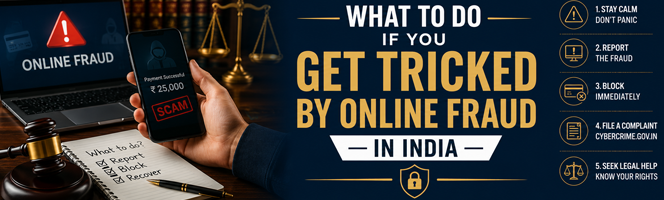
Know the immediate steps to report online fraud, recover your money, file a cyber crime complaint, and seek legal assistance in India.
Social Media Defamation in India: What Indian Law Says explains how false statements, fake reviews, edited images, and misleading social media posts can damage the reputation of individuals and businesses.

This blog explains the importance of professionally drafted business contracts, including Vendor Contract Agreements, Client Service Agreements, and other commercial legal documents.
The Bisleri vs Aqua Peya trademark dispute highlights the importance of protecting intellectual property rights and maintaining a unique brand identity in India.
Explore the legal implications of AI-generated brand names, trademarks, branding risks, and the steps businesses should take to secure trademark protection.
WhatsApp chats have become an important form of electronic evidence in Indian legal proceedings, including divorce, family disputes, civil matters, and criminal cases.

This blog explains the importance of Intellectual Property (IP) protection for Instagram businesses, creators, influencers, and startups. It highlights how trademark registration helps protect brand identity, logos, content, and business reputation.