
Demystifying Confidentiality Clauses in Corporate Agreements

In today’s rapidly changing business world, companies often enter into different types of corporate agreements that involve sharing confidential or sensitive information. Whether it's the drafting of a service agreement, a pre-incorporation agreement, or a joint venture contract, protecting this private data is absolutely crucial. This is where confidentiality clauses come in place and they are a legal protection of your business secrets.
In this blog, an effort will be made in making the concept on what confidentiality clauses are all about, their legal operation in India and how they are to be drafted. We’ll also look at how these clauses play a key role in modern agreements like e-commerce vendor agreements, franchise contracts, and service agreements, especially for those working with a service agreement lawyer or franchise lawyers in Delhi.
What is Confidentiality Clause?
Confidentiality clause is a pact made between any and / or many of the parties involved in an agreement of not revealing to some third party all business sensitive information. In the context of corporate agreements, this clause ensures that trade secrets, client lists, pricing models, marketing strategies, and financial data remain confidential even after the conclusion or termination of the agreement.
In which areas are Confidentiality Clause Used?
The confidentiality clauses do not apply to one type of contract. They are found in different situations such as:
- Drafting of service agreements between clients and vendors to protect proprietary methodologies and customer databases.
- Pre-incorporation agreements to maintain secrecy over business ideas, investor discussions, or proposed structures before a company is registered.
- Joint venture contracts involve a partnership between two or more parties who share and cooperate in terms of business processes which are confidential.
- Franchise agreements, especially those reviewed by franchise lawyers in Delhi, to safeguard trade secrets and brand practices.
- E-commerce vendor agreements, where platforms require vendors to maintain the confidentiality of platform policies and consumer analytics.
Importance of Confidentiality in Corporate Agreements
In every draft service agreement Delhi businesses rely on, confidentiality is a critical risk-mitigation tool. It will complete some number of assignments:
A. Guard against competitive advantage: It prevents the leak of confidential data to its competitors.
B. Protects Intellectual Property: is typically associated with trade secrets, technological solutions and designs of a proprietary type.
C. Trust: The element of trust is also important particularly in joint venture contract whereby it is premised on mutual trust.
D. Legal Compliance: We might have valid legal obligations so that we safeguard some of the information such as personal information about the customer and a prescription of confidentiality makes sure that we abide by the law.
E. Prevents Insider Misuse: Especially relevant in the context of e-commerce vendor agreements where data on consumer preferences is highly valuable.
Indian Law Legal Foundation
The confidentiality clause is the form of valid agreement governed by the chapter 27 th of the Indian contract act 1872 and some precedence of the court. The courts have strengthened this sanctity of such clauses in particular cases as:
- The definition of what is considered as confidential information is clear.
- The duration that lies between the confidentiality is reasonable.
- The restraint of trade is however not permitted in the following sense that it is not allowed.
Professional legal drafting by a service agreement lawyer ensures enforceability while avoiding overreach, especially when dealing with franchise lawyers in Delhi or joint venture contract lawyers for international business models.
Best Practices during Maintenance of Confidentiality Clauses
When working on drafting of service agreements, particularly for clients in Delhi or for national-level contracts, lawyers should follow these best practices:
A. Clear Definition: a clear definition as to what is considered as confidential should be established. The best example is obviously the list of customers, their designs, prices, business strategies or codes of the programmes.
B. Scope and Duration: Indicate how long the obligation will last with them doing their part under the agreement as well as obligation involving some time limit after the expiry.
C. Exclusions: Information that has been disclosed, as well as the one that is developed independently, should not be given.
D. Permitted Disclosures: It is permitted when there are legal requirements or this can be disclosed to professional counsellors with due precaution.
E. Breach of Consequences: Deliver liquidated damages, right to termination and injunctive reliefs.
Every draft service agreement Delhi businesses use must contain these core elements for enforceability and practicality.
The franchise and E-com Setting
In franchise contracts, franchise lawyers in Delhi often encounter confidentiality issues relating to operational manuals, recipes, training content, and branding. Any leak can destroy the brand equity and will lead to financial loss. Similarly, e-commerce vendor agreements involve access to backend data and commission structures. In this case, a strong confidentiality clause will secure the safety of information, so that there are no exploitations and malpractices.
Joint Ventures and Pre-Incorporation Agreements
Confidentiality takes centre stage when businesses engage joint venture contract lawyers for collaborations involving IP, R&D, or tech platforms. Before the entity is incorporated, a pre-incorporation agreement often includes stringent non-disclosure terms to preserve innovation confidentiality. Failing to include robust clauses in such corporate agreements can lead to trust breakdown and potential litigation.
The Lawyer’s Role in Drafting
Whether you are hiring a service agreement lawyer or franchise lawyers in Delhi, ensure they have expertise in confidentiality matters and understand your industry. There is a lot more to a well drafted clause than legal knowledge, there is commercial common sense as well.
Professionals offering drafting of service agreements, particularly those handling e-commerce vendor agreements, should tailor confidentiality clauses to the specific nature of information exchanged. As an example, SaaS companies may require limitations to sharing of the code and vendors of manufactured goods may require protection of how to make the machines.
Conclusion
A confidentiality provision is not a boilerplate. It’s a vital risk protection mechanism across corporate agreements, e-commerce vendor agreements, franchise contracts, and pre-incorporation agreements. Whether you’re consulting a service agreement lawyer, a joint venture contract lawyer, or franchise lawyers in Delhi, make sure the confidentiality obligations are precisely worded and practically enforceable.
If you're looking to draft service agreement Delhi, or any other commercial contract involving sensitive data, it’s advisable to consult lawyers with experience in e-commerce vendor agreements and corporate agreements who can safeguard your business interest in the long term.
Latest Blog

Learn how professional legal drafting can protect your rights, prevent disputes, reduce legal risks, and strengthen your position before a case reaches court.

Understand when a husband can seek maintenance from his wife under Indian law. Learn about interim maintenance, financial dependency, court factors, and legal remedies.

Know the immediate steps to report online fraud, recover your money, file a cyber crime complaint, and seek legal assistance in India.

Social Media Defamation in India: What Indian Law Says explains how false statements, fake reviews, edited images, and misleading social media posts can damage the reputation of individuals and businesses.

This blog explains the importance of professionally drafted business contracts, including Vendor Contract Agreements, Client Service Agreements, and other commercial legal documents.
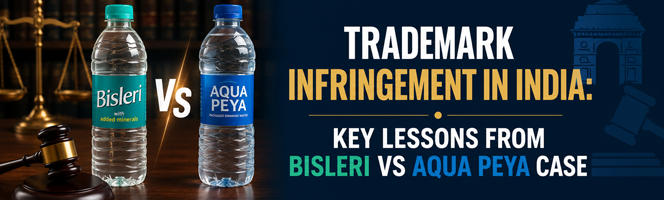
The Bisleri vs Aqua Peya trademark dispute highlights the importance of protecting intellectual property rights and maintaining a unique brand identity in India.

Explore the legal implications of AI-generated brand names, trademarks, branding risks, and the steps businesses should take to secure trademark protection.

WhatsApp chats have become an important form of electronic evidence in Indian legal proceedings, including divorce, family disputes, civil matters, and criminal cases.

This blog explains the importance of Intellectual Property (IP) protection for Instagram businesses, creators, influencers, and startups. It highlights how trademark registration helps protect brand identity, logos, content, and business reputation.