12 Commonly Used Corporate Agreements under Indian Law

Introduction
India has corporate agreements as the backbone of all its business interest. These are legal documents that prove relations, duties and roles and the level of liability among parties. Ensuring legal compliance, whichever business you are either starting up, franchising or partnering in, well-written contracts are important to ensure the business carries on smoothly.
Having a complicated system of regulations, it is necessary to employ professionals to finalize corporate agreements in India. Often companies look out to find a service agreement lawyer, franchise lawyers in Delhi, or a reliable joint venture law firm in Delhi to have their contracts professionally managed. The 12 general corporate agreements listed below are some of the agreements used commonly that any business operating in India must not be ignorant of.
1. Service Agreement
A Service Agreement includes the terms of work, deliverables, scheduling, fees and liability between a service provider and the customer.
Why it matters: It makes it transparent, prevents arguments and insures both side legally.
When to do it: Hiring consultants, developers, agencies, or maintenance giant
Best Practice Tip: Where possible instead of performing service agreement drafting by yourself use professional service agreement drafting by experienced service agreement law professional. This will enable spelling out the agreement in a manner that is readable and enforceable.
2. Franchise Agreement
The chain of the relationships between franchisor and the franchisee is controlled by this agreement that spells out rights to use the brand, royalty terms, marketing obligations, and controls on operation.
Why it is necessary: Defends the brand of franchisor and enables growth to be controlled.
Who need it.: Fast food chains, retail stores, learning institutions and fitness brands.
Legal Aid: Use franchise lawyers in Delhi or lawyers with franchise agreement in Noida to serious, binding contracts.
3. Shareholders’ Agreement
It is a contract under which rights, duties not to mention obligations of shareholders within an organizations are laid down. It addresses burning concerns such as the right to vote, dividend policy, exit policy and dispute resolution.
Purpose: Maintains a balance of power at any cost and does not engage in conflicts.
Suitable to: Startups having several investors or colleagues, a private limited company.
4. Joint Venture Agreement
It is a document that governs collaboration of two or more companies in an effort to carry out a particular project or business objective.
Why it is important: It describes profit-sharing, capital investment, turn-management, and dispute resolving.
Industries: Infrastructure, manufacturing, tech startup and cross-border investments.
Legal Advisory: Since there may be several variations to alter the joint venture agreement according to your business objectives, have a consult with a lawyer who specializes in joint venture contracts or take the services of a well-known joint venture law firm in Delhi.
5. Employment Agreement
This has the regulation of the relationship between the employer and the employee, which entails the description of the jobs, remuneration, leave entitlements, termination conditions, and confidentiality contracts.
Compliance Alert: Shall have to suit the Indian labour laws least to be involved in legal trouble.
Special Note: Non-compete, data protection, and IP ownership clauses are important in the current business environment that has gone digital.
6. Non-Disclosure Agreement (NDA)
NDAs are also applied to safeguard delicate business information exchanged between parties when carrying on a business deal or negotiations.
Advised use: Prior to M&A negotiations, new product development or strategic alliances.
Enforceability: The spheres, term, and penalties in an event of violation have to be mentioned.
7. Memorandum of Understanding MoU
MoU is a document that indicates that an agreement may be started. It provides the prerequisite terms of comprehension amongst the parties.
Purpose: Structure that will guide future contracts, prohibits confusion.
Limitations: Sometimes not legally binding, but of great use in commercial negotiations.
8. Lease and License Contract
This contract is used to regulate the use of the commercial property enabling a business to be located in leased or licensed property.
Scope: Inspecting scope, rent, tenure, renewal conditions, and maintenance, and repair.
Legal Tip: Indian laws require the registration of lease or agreement of any stamp exceeding 11 months.
9. Supply Agreement
A supply agreement defines the terms under which a manufacturer or supplier delivers goods to another party.
Important Clauses: Product specifications, delivery schedule, pricing, quality control, liability for defective goods.
Business Need: Crucial in logistics, manufacturing, retail, and export sectors.
10. Distribution Agreement
This is an agreement which provides the conditions on which a manufacturer would install a distributor to distribute products in a specified location.
Why you need it: To control branding, pricing policies, and exclusive rights.
Key Clauses: Termination, non-compete, inventory handling, and marketing support.
11. Technology Transfer Agreement
This agreement allows one party to transfer technical knowledge, designs, processes, or IP to another for production or commercialization.
Where used: Pharmaceutical, biotech, engineering, and IT sectors.
What it includes: License fees, confidentiality clauses, scope of transfer, and post-transfer support.
12. Investment Agreement
Often used in startup funding rounds, this agreement records the terms under which investors provide capital in exchange for equity.
Clauses to focus on: Valuation, liquidation preferences, anti-dilution rights, and exit strategy.
Tip: Ensure it complements the company’s Articles of Association.
Conclusion
Every corporate contract contains a certain legal and strategic purpose in the process of a business. Agreements used properly help to develop arguably, trust, risk management and clarity of relationship. The significance of professional drafter of corporate agreement cannot be overestimated whether you operate a local business or engage in cross-border partnership.
In case you require trusted legal assistance in drafting, reviewing, or even making negotiations on business contracts, Lawchef is the right legal firm to consult. Our expertise encompasses tailor-made drafting services where we present legal agreements that are legal and meet your business expectations.
Latest Blog
Learn how professional legal drafting can protect your rights, prevent disputes, reduce legal risks, and strengthen your position before a case reaches court.
Understand when a husband can seek maintenance from his wife under Indian law. Learn about interim maintenance, financial dependency, court factors, and legal remedies.
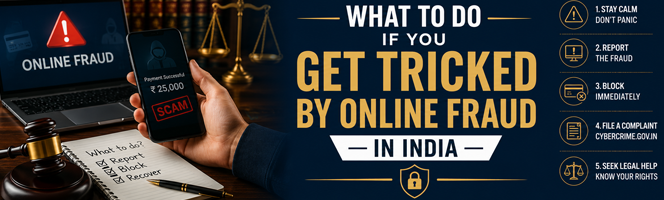
Know the immediate steps to report online fraud, recover your money, file a cyber crime complaint, and seek legal assistance in India.
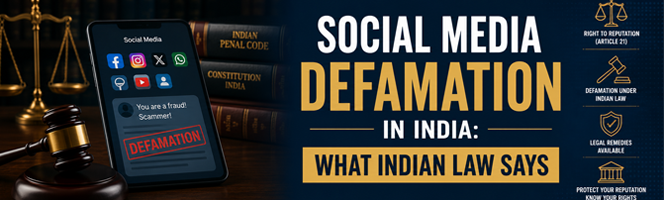
Social Media Defamation in India: What Indian Law Says explains how false statements, fake reviews, edited images, and misleading social media posts can damage the reputation of individuals and businesses.

This blog explains the importance of professionally drafted business contracts, including Vendor Contract Agreements, Client Service Agreements, and other commercial legal documents.
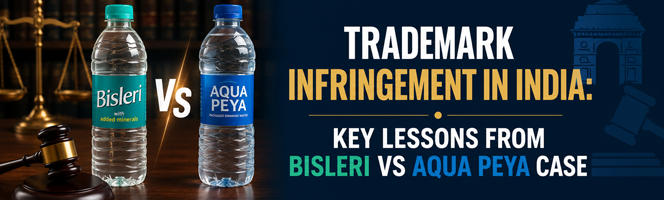
The Bisleri vs Aqua Peya trademark dispute highlights the importance of protecting intellectual property rights and maintaining a unique brand identity in India.
Explore the legal implications of AI-generated brand names, trademarks, branding risks, and the steps businesses should take to secure trademark protection.

WhatsApp chats have become an important form of electronic evidence in Indian legal proceedings, including divorce, family disputes, civil matters, and criminal cases.
This blog explains the importance of Intellectual Property (IP) protection for Instagram businesses, creators, influencers, and startups. It highlights how trademark registration helps protect brand identity, logos, content, and business reputation.