Contract Review: Contingent Involved and Pitfalls in Contract Review

Introduction
One of the most significant processes that should be carried out before any contract is signed is a contract review. It guarantees the fact that the document correctly represents the intentions of both parties, safeguards your legal and financial interests, and does not violate the existing legislation. It does not matter whether you are making a business partnership, service or employment agreement or lease, a good review of the contract will assist you in making expensive errors and conflicts in the future. In the modern busy business environment, knowing the process of contract review and what traps might befall a contract review is of essence to individuals and companies.
What Is Contract Review?
Contract review is a process undertaken to examine the terms and conditions of a contract before signing. It entails the definition of rights, duties, and risks, also, the language must be lucid, equitable, and enforceable. Contract review is an excellent way to ensure that the document is fair, legal and is aligned to your commercial goals.
Significance of Reviewing Contract
A reviewed contract keeps you safe against unreasonable commitments, latent terms, and disagreements in the future. Small details are also easily ignored by many parties which may result in lawsuits or wasted money in the end. When you have carefully looked at a contract, you can bargain in better terms, clear up ambiguities and make sure that laws like the Indian Contract Act, 1872 and other existing laws are not being violated.
The Contract Review Process
The initial process when considering any contract is to be able to understand its aim. Determine the type of relationship between the parties, i.e. whether it is a service provision, employment, sale of goods or a partnership. The purpose facilitates the determination of whether or not the clauses are in consonance with the desired result and commercial interests.
Checking the Parties and Their Information
Make sure that legal names, addresses and designations of all parties are accurate. Errors about party details may render a contract unenforceable. It is vital to ascertain that the signing party has legal authority to bind his/her organization.
Reviewing the Key Clauses
Check all the necessary provisions. This includes:
Payment Terms: Certify payment terms, payment mode and late payment fines.
Duration and Termination: Verifiy the duration and renewal rights, and termination rights.
Confidentiality: Sensible business information must be secured.
Dispute Resolution: Seek arbitration or litigation provisions on governing law and jurisdiction.
Indemnity and Liability: Determine who is to suffer the losses in the event of breach or negligence.
1. Legal Compliance Checking
Make sure that the contract is not against any local or national laws. Failure to comply with the labour, taxation or competition laws may make the contract null or subject to fines. As an example, the clause which contravenes the public policy or the statutory provisions in the Indian Contract Act can be stated unenforceable.
2. Determining Loopholes or Absentee Provisions
Unclear words usually cause misunderstanding and conflicts. Check the specificity and completeness of the terms. The contract may be compromised by the absence of such clauses as force majeure, confidentiality or governing law. Be plain and understandable in the use of language.
3. Risk Analysis and Risk Reduction
Evaluate every provision on the risks. Find one-sided duties or too much punishment. Make amendments to the contract to be equitable to both sides. Legal services of professionals can be employed to recognize the latent risks, which are not easily observable on the surface.
4. Agreement to have terms unfavourable
Once problems are determined, negotiate and speak to the other party to make changes that are undesirable. This is necessary to make sure that both parties are satisfied with a win-win solution. Another value of effective negotiation is that it allows keeping professional relationships and establishing trust in the parties.
5. Final Approval of legal documents
After alterations are done, a final examination of the contract by a qualified legal professional must be done. The attorney verifies the correctness, format and adherence and approves it. The contract should be signed only after this.
6. Ignoring Small Clauses
In many cases, parties pay attention to such big terms as payment and term but are not aware of minor terms such as the necessity of a notice or the law. These minor sentences might play a huge role in enforcing them in case of a conflict.
7. Ambiguous Language
It is possible to use ambiguous or complicated words and be interpreted wrongly. Incidentally, such expressions as as soon as possible or reasonable time are not precise. Timelines and responsibilities should always be in place.
8. One-Sided Clauses
There are those contracts that are skewed towards one party. Unilateral indemnity, penalty or termination clauses may impose an undue burden on the less powerful side. Always make provisions even-minded and mutual where necessary.
9. Ignoring Terms of Renewal and Termination
Lack of knowledge on termination conditions may lead to a party getting into a contract that is not favourable. Always examine the renewal procedures, automatic extensions and notice of termination.
10. Absence of Governing Law and Jurisdiction
The law applicable and the court/arbitrator which has the jurisdiction is not mentioned so implementing the contract is hard in case of disagreements. A law and jurisdiction clause should always be added to ensure clarity of law.
11. Omission of Confidentiality and IP Clauses
In case the contract entails confidential data or intellectual property, the omission of any confidentiality or intellectual property ownership clause may cause the abuse or theft of information.
12. Not Taking Legal Assistance
Numerous individuals are entering into contracts without the help of a lawyer and are just using their knowledge. Legal professionals are also able to detect red flags and understand complex legal terminologies as well as follow the laws in a statutory manner. Professional review omission usually leads to unnecessary conflicts.
13. Violation of Updates and Amendments
Business conditions evolve and the contracts might have to be revised. The disregard of the required amendments or application of the obsolete provisions can cause operational and legal contradictions.
Contract Review Best Practices
- It is best to read each provision before signing.
- Compare to industry standards so as to be fair.
- Make notes about negotiations and amendments.
- Enlist legal experts to look and screen.
- Both soft and hard copies should be signed and kept.
Latest Blog
Learn how professional legal drafting can protect your rights, prevent disputes, reduce legal risks, and strengthen your position before a case reaches court.
Understand when a husband can seek maintenance from his wife under Indian law. Learn about interim maintenance, financial dependency, court factors, and legal remedies.
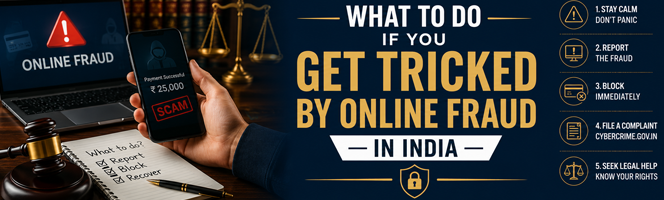
Know the immediate steps to report online fraud, recover your money, file a cyber crime complaint, and seek legal assistance in India.
Social Media Defamation in India: What Indian Law Says explains how false statements, fake reviews, edited images, and misleading social media posts can damage the reputation of individuals and businesses.

This blog explains the importance of professionally drafted business contracts, including Vendor Contract Agreements, Client Service Agreements, and other commercial legal documents.
The Bisleri vs Aqua Peya trademark dispute highlights the importance of protecting intellectual property rights and maintaining a unique brand identity in India.
Explore the legal implications of AI-generated brand names, trademarks, branding risks, and the steps businesses should take to secure trademark protection.

WhatsApp chats have become an important form of electronic evidence in Indian legal proceedings, including divorce, family disputes, civil matters, and criminal cases.

This blog explains the importance of Intellectual Property (IP) protection for Instagram businesses, creators, influencers, and startups. It highlights how trademark registration helps protect brand identity, logos, content, and business reputation.