What to Do If Police Refuse to Register Your Complaint

A police complaint is the initial procedure of pursuing Justice in case you are a victim of a crime or the wrongdoer. Nonetheless, most victims fall into a hopeless state in which the police are reluctant to accept their complaint. It is extremely important to know your rights as well as what to do in case you are in such a situation. The article is a guide about what to do when your complaint has not been recorded, as well as how the assistance of professionals can be beneficial.
Understanding the Right to File a Police Complaint
In India, it is the legal right of every citizen to have a police complaint. It could be a minor or a serious offence, and the police have a duty to make a record of your complaint under Section 154 of the Code of Criminal Procedure (CrPC). Being a legal duty, it does not mean that the police cannot refuse to lodge a complaint, either out of negligence, a misunderstanding or some other reason.
When you happen to experience that, it has to be known that you are not helpless. Online police complaints or employing the services of a police complaint lawyer will ensure that your complaint is registered formally.
Step 1: Make a Written Complaint
In case you verbally complain to the police and the police refuse to register your verbal complaint, the next step is to lodge a written complaint. Write description of the incident that explains the details of the incident, mention the date, time, and location, also the names of involved person. Submit to the officer in charge of the police station. Keep a copy for yourself, and report the time of submission and date.
Writing a complaint tends to light the fire because most times the police are forced to take the issue seriously. In case the refusal is persistent, you can go to Lodging FIR online, with Delhi police providing citizens with a means to lodge digital FIRs.
Step 2: File an Online Police Complaint
The proximity of modern technology has facilitated the task of holding the authorities to account. Through online portals, you can file complaints of theft, harassment, cybercrime or any other criminal issue. The complaints online system is transparent, and you are awarded adequacy and a complaint number towards follow-up.
Online registration best suits cases where the police stations are unresponsive locally It leaves a digital footprint, which is of importance in case additional legal measures are required.
Step 3: Contact a Police Complaint Lawyer
On other occasions, the police will also refuse registration even when complaints are written or submitted online. In this instance, a police complaint lawyer can be very helpful. These are legal experts who have knowledge in these areas of law and can help you navigate the appropriate statutory areas to ensure your complaint is registered with the police.
A police complaint lawyer may also help draft a legal notice, lodge a complaint with the higher authorities or petition the magistrate court through Section 156(3) of the CrPC. This section gives the magistrate authority to direct a police failure to register a case.
Step 4: Approach Higher Authorities
In case the police station does not accept to take up your complaint, you can take it to a higher level. The Superintendent of Police (SP), or the Commissioner of Police in your area, is able to look into your complaint. By filing both your written complaint and information about your online police complaint, you are more likely to see action taken.
Step 5: File a Complaint with the Magistrate
In the event of failure of all attempts, Section 200 of the CrPC provides that you may write to the Magistrate. The Magistrate may order investigations to be made by the police. These are times when the services of a police complaint lawyer are especially helpful when it comes to aiding them in the drafting of their petition and providing it with the appropriate legality.
Step 6: Keep a Record of All Communications
During the process, the documentation of all the communications, receipts, and acknowledgements must be kept clean. A printout of your Delhi police complaint online, a copy of your affidavits and legal notices can enhance your case should it go to mediation or translation into a litigation case.
Conclusion
Being in a situation where the police do not choose to register your complaint can be tense and agitating. Nevertheless, one should not forget that the law offers various options so that justice can be achieved. Proceed by written complaints, the Delhi police online complaint system needs the assistance of a police complaint lawyer and approach higher authorities or a Magistrate as an option.
By being aware of your rights and taking the correct actions, you will make sure that your complaint is documented, heard and addressed. Reporting a case not only supports remedying an individual case; the rule of law in society is being supported by holding authorities to account and motivating them to take action on those who commit offences and wrongdoings.
Latest Blog

Learn how professional legal drafting can protect your rights, prevent disputes, reduce legal risks, and strengthen your position before a case reaches court.
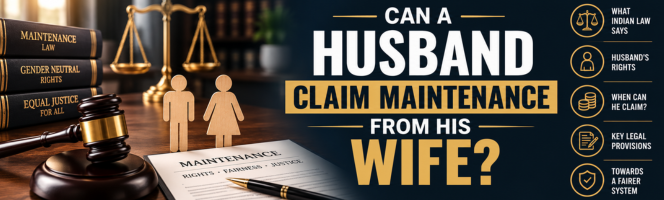
Understand when a husband can seek maintenance from his wife under Indian law. Learn about interim maintenance, financial dependency, court factors, and legal remedies.

Know the immediate steps to report online fraud, recover your money, file a cyber crime complaint, and seek legal assistance in India.

Social Media Defamation in India: What Indian Law Says explains how false statements, fake reviews, edited images, and misleading social media posts can damage the reputation of individuals and businesses.

This blog explains the importance of professionally drafted business contracts, including Vendor Contract Agreements, Client Service Agreements, and other commercial legal documents.
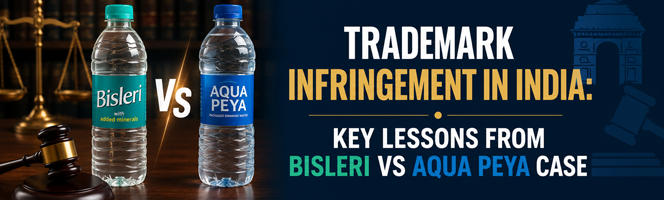
The Bisleri vs Aqua Peya trademark dispute highlights the importance of protecting intellectual property rights and maintaining a unique brand identity in India.

Explore the legal implications of AI-generated brand names, trademarks, branding risks, and the steps businesses should take to secure trademark protection.

WhatsApp chats have become an important form of electronic evidence in Indian legal proceedings, including divorce, family disputes, civil matters, and criminal cases.

This blog explains the importance of Intellectual Property (IP) protection for Instagram businesses, creators, influencers, and startups. It highlights how trademark registration helps protect brand identity, logos, content, and business reputation.