
The Limitation Act, 1963 and its Application to Matrimonial Litigations

Introduction
The Limitation Act 1963 is an important statute that prescribes the time limits within which proceedings must be brought. The primary purpose of the Limitation Act is to provide certainty, avoid stale claims, and facilitate timely justice. The Limitation Act applies for the most part to civil and criminal matters, but its application and relevance to matrimonial litigation is often considered controversial. Issues such as divorce petitions, restitution of conjugal rights, annulment of marriage, and maintenance claims trigger questions about how the Indian Limitation Act applies with personal laws that exclusively govern marriage and family disputes.
This blog notes the law of limitation and its role and relevance for matrimonial matters and exceptions to limitation period family law matters.
Overview of the Limitation Act, 1963
The Limitation Act 1963 replaced the Limitation Act of 1908 in order to achieve certainty and clarity around time limits for different types of suits, appeals and applications. The act, in its subject of limitation, provides an exhaustive schedule that states time limits from days to years governed by the nature of the proceedings.
The rationale of the law of limitation is that right should be exercised and should be exercised without unreasonable delay. Delaying for too long may constitute delay, and result in the loss of the remedy, although the right may exist. In matrimonial matters, which embrace emotions and social factors, exercising the law of limitation is a matter of balance.
The Indian Limitation Act and Matrimonial Matters
The Indian Limitation Act does not specifically refer to matrimonial matters, like divorce or judicial separation, nor is it listed in the citation. Rather, disputes of this nature most primarily derive their guidance from their personal laws modes, such as the Hindu Marriage Act of 1955, the Special Marriage Act of 1954, or the Muslim Personal Law, for instance. It is common practice for courts to apply the law of limitation to determine if a matrimonial petition is filed within a reasonable period of time.
For example:
- Restitution of Conjugal Rights - where if one spouse has delayed unreasonably to file a petition, courts will apply the principles of limitation; even though it does not specify a specific period of time.
- Annulment of Marriage - under the Hindu Marriage Act, petitions where the grounds require them to prove fraud or coercion in under one year, occurs in order to recognize the concept of limitation.
- Maintenance Claims – Although not directly mentioned in the Indian Limitation Act, delayed maintenance claims are often restricted by applying principles of limitation to prevent misuse.
Thereby, matrimonial disputes also indirectly fall within the ambit of limitation act, 1963, to safeguard against the filing of petitions after unreasonable period of time.
Key provisions in the limitation act applicable to matrimonial litigation
Although matrimonial laws provide a limited time period for litigants, applications of the limitation act, 1963 are relevant to matrimonial litigation so that:
- Section 3: Bars suits or applications after the limitation period.
- Section 5: Condonation of the delay is applicable if reasonable cause has been shown; it is effective in matrimonial appeals.
- Section 6: Offers relief to the petitioner due to being a minor, of unsound mind or legally disabled at the time of the statutory limitation period.
- Section 29(2): States where there are special matrimonial laws with their own limitation period, then those laws are to be used against the limitation act, however, overall consideration of condonation of delay may still apply.
These above mention sections puts into perspective how the law of limitation is meant to protect fairness and justice even when the Law is being applied to matters which have sensitive familial aspects.
Exceptions to Limitation Period in Matrimonial Cases
Among the more pivotal and advantageous elements of the Indian Limitation Act is its flexibility, through exceptions to limitation period. In matrimonial disputes, sometimes rigid time limits can affect a fair outcome, and courts tend to abate to provide relief through these exceptions.
Some common exceptions:
- Condonation of Delay — Courts have the authority to condone delays, if the petitioner has a valid reason such as illness, ignorance of the law, or other unavoidable circumstances.
- Continuous Cause of Action — in acts such as cruelty or desertion, every act creates a new cause of action, thereby extending the limitation period.
- Legal Disability — if a party is a minor or of unsound mind, the limitation period will only begin after the disability is removed.
- Fraud and Concealment — If one spouse has concealed material facts, such as bigamy or fraud, the limitation period begins when the spouse discovered the facts.
All these exceptions to limitation period, ensure that justice is not denied simply as a result of technical delay.
Judicial Interpretation of Limitation in Matrimonial Matters
Indian courts have taken a liberal view when applying the law of limitation to matrimonial matters. In many cases, the courts have pointed out that family law issues should not be treated with the same inflexibility as commercial disputes.
In maintenance claims, for example, courts have taken the position that a claim for past maintenance could be made for periods beyond the technical time limit, based on the premise that every right to maintenance is a continuing right. In the case of appeals from divorce decrees, the courts have taken a liberal view in applying the exceptions to time limits in Section 5, given the seriousness of the matrimonial rights.
Conclusion
As discussed above, the limitation act 1963 has a subtle but significant role to play in the matrimonial debate in India. In the end, although family law governs disputes between family members, the principles of Indian Limitation Act are often applied when it is time for the petitions to be made, that is, to ensure that a petition is made on time, and justice is not delayed. The limitation law gives everyone certainty when applying the law, while also allowing some flexibility in cases where an exception for a limitation period might apply.
In family disputes where emotions, social values, and legal rights operate in tandem, the even application of limitation law achieves fairness in the process, prevents stale claims, and sustains the integrity of the judicial system.
Latest Blog

Learn how professional legal drafting can protect your rights, prevent disputes, reduce legal risks, and strengthen your position before a case reaches court.

Understand when a husband can seek maintenance from his wife under Indian law. Learn about interim maintenance, financial dependency, court factors, and legal remedies.

Know the immediate steps to report online fraud, recover your money, file a cyber crime complaint, and seek legal assistance in India.

Social Media Defamation in India: What Indian Law Says explains how false statements, fake reviews, edited images, and misleading social media posts can damage the reputation of individuals and businesses.

This blog explains the importance of professionally drafted business contracts, including Vendor Contract Agreements, Client Service Agreements, and other commercial legal documents.
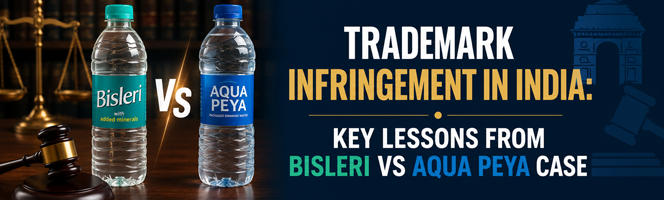
The Bisleri vs Aqua Peya trademark dispute highlights the importance of protecting intellectual property rights and maintaining a unique brand identity in India.

Explore the legal implications of AI-generated brand names, trademarks, branding risks, and the steps businesses should take to secure trademark protection.

WhatsApp chats have become an important form of electronic evidence in Indian legal proceedings, including divorce, family disputes, civil matters, and criminal cases.

This blog explains the importance of Intellectual Property (IP) protection for Instagram businesses, creators, influencers, and startups. It highlights how trademark registration helps protect brand identity, logos, content, and business reputation.