
Emerging Trends in Property Law and the need of Property Lawyers

The recent trends in property law include the amalgamation of technologies, such as blockchain for a secure transaction of properties. People are being considerate about the changing climate and thus the laws are changing as per the needs of the people, hence laws related to property are leaning towards promoting sustainability and making sure the climate does get affected due to unhinged property laws. The economy where sharing properties have become a fashion and a way to earn money legal discussions around property rights in shared spaces and short-term rentals have come into question. In addition to this, addressing issues of social justice in property law have become the need of the hour, which includes providing affordable housing facilities and equal and fair access to property possession or ownership. With the continuously changing environment lawyers must be ready and keep adapting the recent laws or changes in it, in order to keep up with this dynamic environment.
Legal Framework that deals with Property in India
Property laws are civil laws and in India property laws are primarily dealt with the Transfer of property Act, however there are other laws that deal with property someway or the other. The key legal framework dealing with property in India includes:
- The Registration Act, 1908
- The Indian Contract Act, 1872
- The Real Estate (Regulation and Development) Act, 2016 (RERA)
- Various state-specific laws planning.
Land comes under the concurrent list and hence, both center and state government have the power to make and amend laws related to it, every state has its own real estate laws and regulations and one should comply with the applicable laws. Delhi and Noida have different real estate laws as per their state government.
How does a real estate lawyer help in property deals?
A real estate lawyer helps in property deals by negotiating terms, reviewing contracts, conducting title searches, and ensuring legal compliance throughout the whole process from the very start.
How can a real estate lawyer help with a property purchase?
A real estate lawyer can assist with a property purchase by drafting or reviewing the purchase agreement, conducting due diligence, and facilitating the closing process to ensure a smooth transfer of ownership.
How does a lawyer help a tenant and a landlord?
A lawyer helps tenants and landlords by advising on lease agreements, resolving disputes, ensuring compliance with rental laws, and representing their interests in legal proceedings if necessary.
How to draw up a tenancy agreement for my son?
To draw up a tenancy agreement for your son, consult a real estate lawyer who can customize a legally binding contract that outlines the terms and conditions of the rental arrangement.
How to do a rental agreement?
To create a rental agreement, consult with a real estate lawyer who can draft a comprehensive contract that covers all essential aspects of the landlord-tenant relationship and complies with local rental laws.
What is a commercial property lawyer?
A commercial property lawyer specializes in legal matters related to commercial real estate transactions, leases, zoning issues, and property development.
What services do you offer as a real estate law firm?
Real estate law firms typically offer services such as property purchase/sale representation, lease drafting and negotiation, title examination, property development advice, and resolution of property disputes.
What situations would require a real estate lawyer?
Situations requiring a real estate lawyer include property purchases, lease agreements, zoning disputes, boundary disputes, title issues, foreclosure proceedings, and landlord-tenant disputes.
What is the definition and role of a real estate lawyer?
A real estate lawyer is a legal professional specializing in matters related to real property, including purchases, sales, leases, zoning, and land use regulations. Their role is to provide legal advice, draft and review documents, and represent clients in real estate transactions and disputes.
Does a lease agreement have to be in writing?
In most jurisdictions, lease agreements must be in writing to be legally enforceable, although there may be exceptions in certain circumstances.
What is the role of a lawyer in a lease agreement?
A lawyer’s role in a lease agreement involves drafting, reviewing, and negotiating the terms of the lease to protect the interests of their client, whether they are the landlord or the tenant.
Who keeps the original lease agreement?
The original lease agreement is typically kept by the landlord or property management company, but both parties should retain a copy for their records.
What is the minimum period for lease agreement?
The minimum period for a lease agreement can vary depending on local rental laws and the terms negotiated between the landlord and tenant, but it is often one year for residential leases.
How do I correct a lease agreement?
To correct a lease agreement, consult with a lawyer to determine the necessary amendments and ensure that they are made in accordance with applicable laws and regulations.
Why to choose LawChef as your legal companion for a property dispute?
For a disputed property, you need a property lawyer who can get you out of the dispute without stretching the court proceedings for decades, for this LawChef is the best choice out there in the market, we have the best Property Lawyers in Delhi and Noida with more than 10 years of experience in Litigation. They will advise you and protect your interest, not just land dispute but any kind of property dispute including tenancy or lease related disputes etc.
Latest Blog
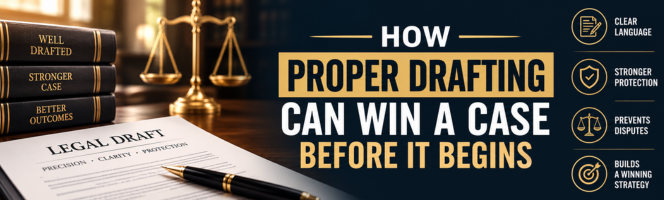
Learn how professional legal drafting can protect your rights, prevent disputes, reduce legal risks, and strengthen your position before a case reaches court.
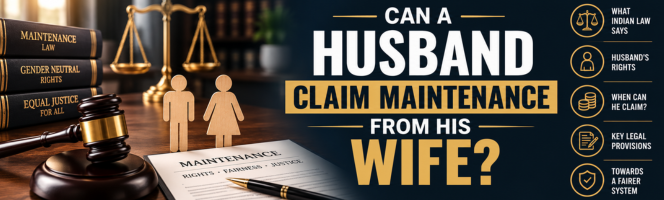
Understand when a husband can seek maintenance from his wife under Indian law. Learn about interim maintenance, financial dependency, court factors, and legal remedies.
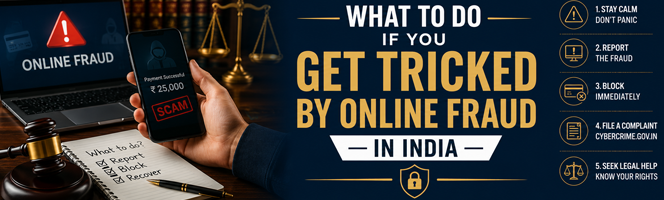
Know the immediate steps to report online fraud, recover your money, file a cyber crime complaint, and seek legal assistance in India.
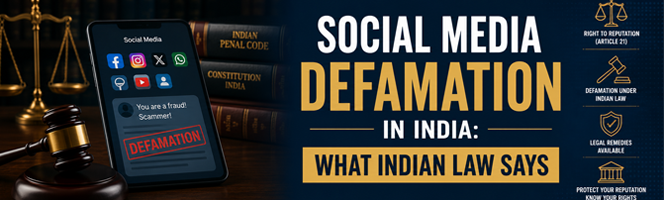
Social Media Defamation in India: What Indian Law Says explains how false statements, fake reviews, edited images, and misleading social media posts can damage the reputation of individuals and businesses.

This blog explains the importance of professionally drafted business contracts, including Vendor Contract Agreements, Client Service Agreements, and other commercial legal documents.
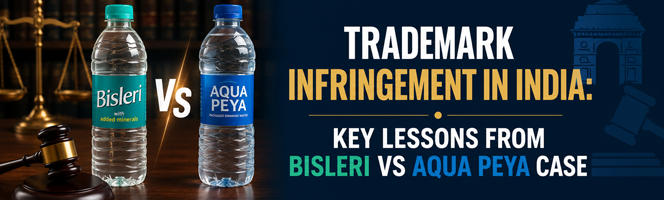
The Bisleri vs Aqua Peya trademark dispute highlights the importance of protecting intellectual property rights and maintaining a unique brand identity in India.

Explore the legal implications of AI-generated brand names, trademarks, branding risks, and the steps businesses should take to secure trademark protection.

WhatsApp chats have become an important form of electronic evidence in Indian legal proceedings, including divorce, family disputes, civil matters, and criminal cases.

This blog explains the importance of Intellectual Property (IP) protection for Instagram businesses, creators, influencers, and startups. It highlights how trademark registration helps protect brand identity, logos, content, and business reputation.