Trademark Classes in India: How to Choose the Right Class for Your Brand

Registering your trademark is among the most important moves a business should make to shield its brand. Still, picking the correct trademark class is commonly skipped, even though it matters a lot. Judging by the 45 different categories, every trademark registered in India is assigned to one specific kind of product or service. Taking an incorrect class can lead to not getting your work registered or, in some cases, to other brands infringing on your brand name.
In this blog, you will learn the best way to identify your trademark class and why using a reliable trademark law firm or talking to expert trademark registration lawyers is important.
1. What Do Trademark Classes Refer To?
The Nice Classification (NCL) is the international system that defines trademark classes recognized in India by the Trademark Registry. The purpose of these sessions is to classify your product or service within the right category. There are three dozen classes for goods and about a dozen for services, among them, food and beverages, legal and IT services.
For example:
- Class 9 is software and electronics.
- Class 25 handles is clothing and apparel.
- Class 35 deals with advertising and businesses management services.
2. Understanding Why We Need to Consider Classes
Trademark registration protects your mark solely in the class you apply it to. If a similar mark is registered in a different class, that alone wouldn’t be considered infringement, unless your brand is widely known.
So, if your brand offers clothing and you register for a trademark under Class 25, you don’t have ownership over a similar name when it comes to software (Class 9).
For this reason, both professional firms and trademark registration lawyers can guide you in choosing the right classes for your brand in all applicable fields.
3. Right Class for Your Brand
Let’s explore how to select the appropriate trademark class:
- Get to Know Your Product or Service
Make sure you know what your product or service is. For both goods and services, like sportswear and digital marketing, clear explanations matter most. - Go to the Trademark Class List
The easiest way is to use the Indian Trademark Office guide or contact a trademark lawyer Delhi for help in classification. - Look for similar marks
Early on, check the market to keep conflicts from developing once your product is launched. A professional trademark law firm offers trademark clearance services. - Talk to a Legal Expert
Working with a trademark lawyer Delhi gives you more peace of mind and helps you avoid being in trouble with the law in the future.
4. Commonly Used Trademark Classes in India
Some popular classes frequently used by Indian businesses include:
- Class 9: Technology products, software, electronics
- Class 25: Clothing, footwear, headgear
- Class 35: Advertising and business consultancy
- Class 41: Education and entertainment services
- Class 43: Food and beverage services, hospitality
Each of these classes has specific criteria, and filing under the wrong one can delay or invalidate your trademark registration.
5. Importance of Legal Assistance in Class Selection
Misclassification is one of the most common reasons for rejection by the Indian Trademark Registry. An experienced trademark lawyer Delhi understands the nuances and ensures your application is aligned with legal expectations. They can also help in:
- Drafting precise descriptions of goods/services
- Avoiding overlapping or ambiguous classifications
- Filing multi-class or series trademarks
- Monitoring future infringement in similar classes
Working with a reputed trademark law firm or specialized trademark registration lawyers enhances the strength and scope of your trademark protection.
6. Why Choose a Trademark Lawyer Delhi?
A trademark lawyer Delhi is well-versed in both national and international trademark norms and offers:
- Expert advice on class selection
- End-to-end filing and documentation support
- In case of objections or oppositions
- Customized legal strategies for your business
Whether you are a start-up or an established business, hiring a skilled trademark lawyer Delhi ensures your intellectual property is in safe hands.
7. Conclusion
Picking the suitable trademark class is important since it affects the outcome of your registration. Errors can be both expensive and involve legal issues. Therefore, it’s best to hire a professional firm, preferably with knowledgeable trademark registration lawyers and a top trademark lawyer Delhi, to carry out your brand protection.
Lawchef’s highly experienced trademark firm can assist you all the way from choosing a class through to filing your application. Work with an experienced trademark registration lawyer or contact a top trademark lawyer in Delhi and take the first step to defending your brand.
Latest Blog

Learn how professional legal drafting can protect your rights, prevent disputes, reduce legal risks, and strengthen your position before a case reaches court.
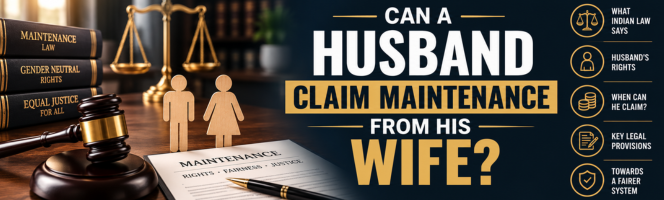
Understand when a husband can seek maintenance from his wife under Indian law. Learn about interim maintenance, financial dependency, court factors, and legal remedies.

Know the immediate steps to report online fraud, recover your money, file a cyber crime complaint, and seek legal assistance in India.

Social Media Defamation in India: What Indian Law Says explains how false statements, fake reviews, edited images, and misleading social media posts can damage the reputation of individuals and businesses.

This blog explains the importance of professionally drafted business contracts, including Vendor Contract Agreements, Client Service Agreements, and other commercial legal documents.
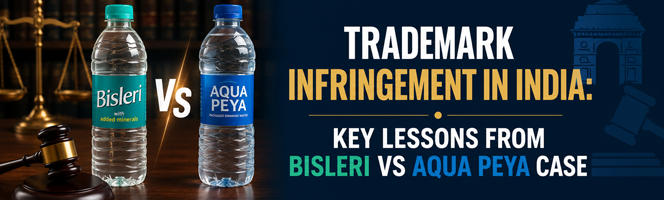
The Bisleri vs Aqua Peya trademark dispute highlights the importance of protecting intellectual property rights and maintaining a unique brand identity in India.

Explore the legal implications of AI-generated brand names, trademarks, branding risks, and the steps businesses should take to secure trademark protection.

WhatsApp chats have become an important form of electronic evidence in Indian legal proceedings, including divorce, family disputes, civil matters, and criminal cases.

This blog explains the importance of Intellectual Property (IP) protection for Instagram businesses, creators, influencers, and startups. It highlights how trademark registration helps protect brand identity, logos, content, and business reputation.