
Importance of Evidence in Domestic Violence Cases

Domestic violence is a very entrenched social aspect that transcends age, class, religion and nationality. It has concealed much behind the closed door hence making it one of the least reported and least understood types of abuse. Domestic violence in India refers to a physical, emotional, sexual, and economic abuse carried out in a domestic relationship; most often, a spouse or intimate partner. In order to deal with this prevalent problem, Protection of Women against Domestic Violence Act, 2005 was passed to offer legal safeguards and solutions to victims.
Although there are good legal protections, such a case of domestic violence is mostly determined by the evidence provided before the court and its quality and credibility. Evidence is a crucial factor when it comes to proving allegations, safeguarding the rights of the victims and getting justice to be served. In case of physical injuries, emotional sadism or long term harassment, the availability of credible evidence can lead to a win or a loss. This contributes to the extreme importance of the role of evidence and the direction of a qualified domestic violence attorney.
Role of Evidence in Domestic Violence Proceedings
Any legal proceeding is based on evidence. When it comes to domestic violence cases, it is even more important since the instances of abuse are typically done in the confines of a domestic setting, where people are not observed. Consequently, the victims usually have difficulties proving their claims particularly where there are no eyewitnesses. The lack of visible evidence has isolated and de-motivated many survivors because it leads to hopelessness about seeking legal redress.
Gathering and maintaining evidence in domestic violence may prove difficult but this is necessary in building a consistent pattern of abuse. The evidence assists the court in knowing how severe, frequent, and nature of violence to the victim are. The role of a domestic violence attorney is rather significant as he/she helps the victims to find all the evidence that can be used in the case, preserve it, and make it admissible in the court. Evidence can be in many form with examples being medical records, witness testimonies, electronic communication, police reports, and psychological examination.
Types of Evidence in Domestic Violence
Minor and Major Physical and Medical Evidence
In cases of domestic violence physical evidence most times forms the most compelling evidence. Bruises, fractures, burns, or cuts that have been reported in the course of medical examination could be very strong evidence to prove physical abuse. The medical reports, released by the hospitals or clinics, are objective facts and they are used to determine the type and scope of injuries sustained.
The records are also essential in the formation of a chronology of abuse, where the injuries are attributed to certain events. The case may be further reinforced by the photographs of injuries immediately after the incident. Healthcare professionals are also allowed to give testimony as to the injuries and the possible cause of injures in certain cases, which give credence to the assertions by the victim.
Communication-Based Evidence
Litigation in domestic violence has grown to be reliant on electronic communication as well as written communication. The abuser may be threatening, intimidating, harassing, or controlling, which may be identified through the use of text messages, emails, recordings of calls, social media messages, chats. This communication may treat the partner with emotional abuse, bullying, or domineering tendencies.
Digital evidence is especially effective since, as a rule, it includes time stamps and direct words of the abuser, and it is hard to deny it. A lawyer specializing in domestic violence can inform the victims on the proper way to maintain digital evidence and present it in the court in an acceptable form of evidence.
Witness Testimony
Despite the fact that domestic violence is most often committed in the inner circles, the witness accounts may also be crucial. Corroboration can be of great beneficial value to a witness who witnessed injuries, overheard an argument or saw the suffering condition of the victim, their friends, relatives, or colleagues.
There are also some instances when children are the witnesses of domestic abuse. They should be treated with a lot of care and sensitivity, but their testimony may play an important role in proving the abusive atmosphere in the home. A lawyer will assist in the determination of the pertinent witnesses and making sure that their statement is well presented.
Official Complaints and Police Reports
Another type of evidence that is critical in domestic violence cases is police documentation. Complaining or First Information Report (FIR) generates an official document of maltreatment and generates the fact that the case was reported to the authorities. In the police reports, the incident details, statements of the related parties, and initial findings may be provided.
Such records have a lot of weight in the court and can be used to support an application to protection orders, residence orders, or other relief under the Domestic Violence Act. A lawyer of domestic violence helps the victims to prepare the correct complaints and pursue law enforcement agencies to make sure that legal matters are well recorded.
Psychodynamic and Psychiatric Evidence
Domestic violence not only causes physical injuries, but it can cause long- term psychological and emotional trauma. Perpetration of abuse over a long period can cause anxiety, depression, post-traumatic stress disorder, or other mental health issues in victims.
Psychologist, counsellor or psychiatrist reports can be used as expert testimony in proving the emotional effects of abuse. These specialists have an opportunity to evaluate the psychological state of the victim and connect it with the abusive relationship. The evidence is particularly necessary in the instances of emotional or verbal abuse where no physical road is involved.
Role of a Domestic Violence Lawyer
Even managing a domestic violence case may be too much to the victims especially when they are already experiencing trauma and fear. A domestic violence attorney offers legal counsel as well as advice and emotional support during the whole process.
A lawyer assists victims in realizing their rights, remedies available and procedural requirements. They help in gathering, systematizing and presenting evidence in such a way that enhances the case. The evidence may be rejected in case of improper treatment or presentation and this may severely harm the case. A wise attorney would make sure that all the evidence is obtained according to the law and successfully utilized.
Besides, a domestic violence attorney offers assistance to victims in the process of court hearings and contacts law enforcement agencies and assists in the provision of protective measures. Their involvement is not limited to litigation, and they provide victims with a feeling of security and confidence during the process of seeking justice.
Conclusion
Domestic violence cases are not easy and this is what needs to be taken care of at all stages especially in the evidence section. It could be medical records, online communication, witness testimonies, psychological assessment, and all those items of evidence help to create a strong case. Lack of enough evidence may make the victims find it hard to be relieved, despite the evident abuse.
The victims of domestic violence need to seek timely legal help. An experienced domestic violence attorney will be able to find and submit evidence in the most proficient way, defend the rights of the victim and make sure that justice is dispatched. With the right legal assistance, victims will be able to get out of the abusive conditions and make some constructive steps on the way to being safe, decent, and secure.
Latest Blog

Learn how professional legal drafting can protect your rights, prevent disputes, reduce legal risks, and strengthen your position before a case reaches court.

Understand when a husband can seek maintenance from his wife under Indian law. Learn about interim maintenance, financial dependency, court factors, and legal remedies.

Know the immediate steps to report online fraud, recover your money, file a cyber crime complaint, and seek legal assistance in India.

Social Media Defamation in India: What Indian Law Says explains how false statements, fake reviews, edited images, and misleading social media posts can damage the reputation of individuals and businesses.

This blog explains the importance of professionally drafted business contracts, including Vendor Contract Agreements, Client Service Agreements, and other commercial legal documents.
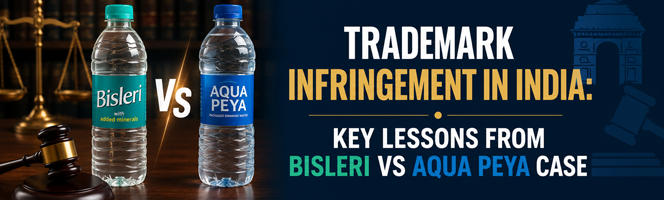
The Bisleri vs Aqua Peya trademark dispute highlights the importance of protecting intellectual property rights and maintaining a unique brand identity in India.

Explore the legal implications of AI-generated brand names, trademarks, branding risks, and the steps businesses should take to secure trademark protection.

WhatsApp chats have become an important form of electronic evidence in Indian legal proceedings, including divorce, family disputes, civil matters, and criminal cases.

This blog explains the importance of Intellectual Property (IP) protection for Instagram businesses, creators, influencers, and startups. It highlights how trademark registration helps protect brand identity, logos, content, and business reputation.