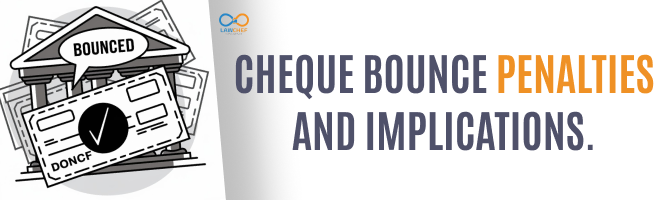
Cheque bounce penalties and implications

It is one of the most commonly used financial instruments that help in easy transactions. But there is a scenario called a cheque bounce, which happens when a cheque gets bounced due to lack of funds or other reasons. Cheque bounce means it is not only a financial problem but a criminal offence under Negotiable Instruments Act, 1881. In conclusion, having knowledge of the cheque bounce penalty, the relevant legal consequences of such cases, and the importance of a cheque bounce lawyer can greatly assist individuals and businesses in resolving this type of dispute.
What is a Cheque Bounce?
Bounced cheques refer to instances where a bank refuses payment on a presented cheque for various reasons — which can include insufficient funds in the issuer’s account, mismatch of signatures, overwriting, cheque’s expiry date or a frozen account. The act of cheque bouncing can cause financial loss to the payee and initiate legal action against the issuer as per the cheque bounce law.
Reasons for Cheque Bounce
A cheque may be dishonored for the following reasons:
- Funds Insufficient: The second major reason of cheque bounce is that the drawer does not have enough balance in their account to cover the amount of cheque.
- Signature Mismatch: If the sign on the cheque differs from the one registered with the bank, then the cheque will be rejected.
- Account Closure: In case the bank account of the drawer has been closed before its presentation, such a cheque will also be dishonored.
- Overwriting or Alterations: Any modifications made to the cheque that are not certified by the drawer can make the cheque bounce.
- Expiry of Cheque: From the date of issuance a cheque is valid for three months. It is invalid if presented after this date.
- Payment Stopped by Drawer: If the drawer (issuer of the cheque) instructs the bank to stop the payment, the cheque gets dishonoured.
The Penalty and Legal Consequences for a Bounced Cheque
A cheque bounce can elicit fines from banks and law enforcement as well. Those penalties can range based on the severity of the case and the amount in question.
Bank Charges and Penalties
Banks levy penalties against both the issuer and the payee when a cheque bounces. The fees differ based on the bank’s policies and the reason for the bounce.
- Penalises his account for issuing a dishonoured cheque.
- The payee’s bank might also levy a charge for presenting a bounced cheque.
- Frequent cheque bounces can even lead to restriction from issuing more cheques or suspension of the account.
Legal Penalty under Cheque Bounce Law
Cheque bounce is a criminal offense under Section 138 of the Negotiable Instruments Act, 1881. The legal consequences of cheque bounce are:
- Monetary Fine: Offender can impose a fine up to double the amount of cheque.
- Imprisonment: The drawer can go to jail for maximum two years in case found guilty.
- Remedy: The court could direct the drawer to compensate the payee for financial losses.
- Criminal Record: The offender can get a criminal record because of conviction, which can affect their financial credibility and future transactions.
Legal Recourse for the Payee
In the case of a bounced cheque the payee reserves the right to sue the drawer. The process includes:
Step 1: Issuing a Legal Notice
Within 30 days of receiving the dishonoured cheque, the first step is to send a legal notice to the cheque writer. The notice should include information such as:
- The amount of the cheque and the date of writing.
- Cheque Bounce Meaning, Reason and Crimes in Hindi.
- A demand for payment within 15 days from the date of the notice.
Step 2: File a Case in Court
The payment must be made within 15 days, failing which the payee can file a complaint under Section 138 of the Negotiable Instruments Act. The case has to be filed within 30 days of the expiration of the 15-day notice period.
Step 3: Court Proceedings and Judgment
After attorney fees, the case will be filed, and the court will focus on the tangible evidence and listening to each side's argument. In the event that the cheque issuer is found guilty, he is liable to be punished by way of fines, imprisonment or by way of both.
Defenses to a Claim by the Drawer
The accused person in a cheque bounce case can defend him or herself by establishing:
- The cheques were not presented by the payee within a valid time frame.
- Someone else lost or stole the cheque and misused it.
- No legal duty to make the payment existed.
This is why the funds should actually be there, and so a cheque bounce lawyer will also help build a strong defense and in proving how the transaction was legitimate in nature.
Solving Cheque Bounce Problem
Best practices for cheque transactions can lead to avoiding legal troubles and financial penalties.
- Maintain Sufficient Balance: Make sure that you have enough money in your bank account before you issue a cheque.
- Verify Details Before Issuing: Ensure not to make any mistakes while writing the amount, date, and party name.
- Use Digital Payment Methods: Use digital payments like bank transfers, UPI or online payments to avoid cheque bounce.
- Respond Quickly to Legal Notices: Read our blog on legal notice for cheque bounce — what to do next and steps for resolving it by contacting a cheque bounce lawyer if you received a legal notice.
Lawyer for a Cheque Bounce: Duties
A cheque bounce lawyer is a legal professional who specializes in cases related to cheque dishonor. They assist in:
- Legal notice drafting and sending to the defaulter.
- Advise the complainant or accused antes in court.
- Working out settlements to prevent protracted litigation.
- Guaranteeing adherence to cheque bounce laws with the aim of safeguarding clients' rights.
Conclusion
There are several ways to handle such a situation but a cheque bounce case can cause much harm to one’s both financial and legal aspects. Comprehension of cheque bounce law along with professional legal consultation for a fair settlement. If you are facing such issues, you may take this help from cheque bounce lawyer.
Latest Blog
Learn how professional legal drafting can protect your rights, prevent disputes, reduce legal risks, and strengthen your position before a case reaches court.
Understand when a husband can seek maintenance from his wife under Indian law. Learn about interim maintenance, financial dependency, court factors, and legal remedies.
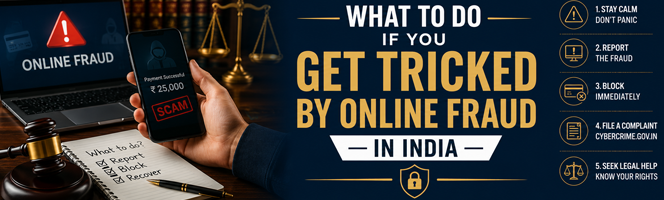
Know the immediate steps to report online fraud, recover your money, file a cyber crime complaint, and seek legal assistance in India.
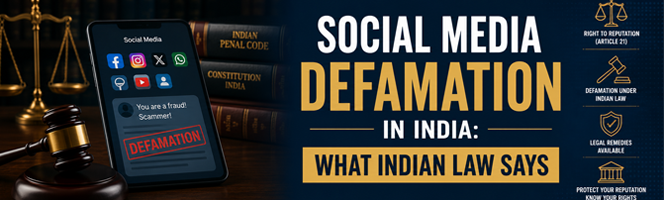
Social Media Defamation in India: What Indian Law Says explains how false statements, fake reviews, edited images, and misleading social media posts can damage the reputation of individuals and businesses.

This blog explains the importance of professionally drafted business contracts, including Vendor Contract Agreements, Client Service Agreements, and other commercial legal documents.
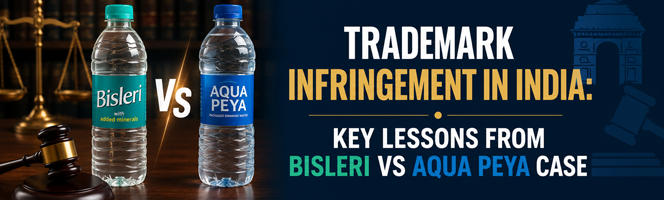
The Bisleri vs Aqua Peya trademark dispute highlights the importance of protecting intellectual property rights and maintaining a unique brand identity in India.
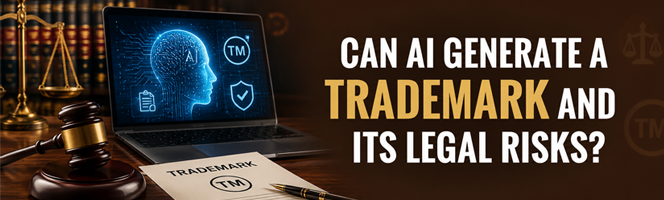
Explore the legal implications of AI-generated brand names, trademarks, branding risks, and the steps businesses should take to secure trademark protection.
WhatsApp chats have become an important form of electronic evidence in Indian legal proceedings, including divorce, family disputes, civil matters, and criminal cases.

This blog explains the importance of Intellectual Property (IP) protection for Instagram businesses, creators, influencers, and startups. It highlights how trademark registration helps protect brand identity, logos, content, and business reputation.