A Legal Notice For Cheque Bounce

In a commercial world, cheques are commonly used in every matter because cheque payments are effortless to do, and we have all the legal documents for that transaction, but in some circumstances, the transaction can be cancelled due to insufficient funds or any other reason so to deal with that, we have a The Negotiable Instruments Act, 1881, of section 138. gives the structure where cases like this can be handled, allowing the payee to institute criminal action against the drawer (issuer) of the cheque.
Before initiating this action, a prior 30-day legal notice must be sent to the individual or firm, allowing them sufficient time to settle the payment. The issuance of this legal notice constitutes the initial official step in the event of a cheque bounce and should be a carefully considered action to ensure that the notice complies with legal requirements and is admissible in court.
Cheque bounce and it’s consequences
This question arises in the first place: what is a cheque bounce, how does this happen, and what are the legal casualties we have to face after that? A cheque can bounce in such circumstances as:
- The lack of money in the account
- Signature mismatch
- Account closure
- Stoppage of payment by the drawer
- Expired cheque (stale cheque)
Under Section 138 of the Negotiable Instruments Act, 1881, cheque bounce is a criminal offence, and the punishments are:
- Imprisonment up to 2 years
- Double the worth of the cheque
- And both
The law, however, states that the payee shall, within 30 trading days after the bank returns its memo to the payee, serve a legal notice to the payee on the reason that the bank dishonoured the cheque.
Legal Requirement Before Sending Legal Notice
In order to have the legal notice accepted as being valid, the following requirements need to be met:
- The cheque has to be made payable in order to discharge an enforceable debt or obligation.
- The cheque would have to be presented within it validity (typically 3 months after the date).
- It must have been sent back unpaid by the bank.
- Within 30 days of the dishonour, the payee also needs to send a written legal notice.
- The drawer should be allowed 15 days after the delivery of the notice to make the payment of the sum stated in the receipt.
- Failure to pay within 15 days warrants a criminal process to be launched within 30 days after.
Support Documents To Attach
You should attach copies of these documents:
- Duplicate of the dishonoured cheque
- Memo post-bank return
- Receipt of delivery of legal notice (Speed Post/RPAD receipt)
- A copy of the agreement or indemnity for having liabilities (in case)
Consequences For Not Responding To The Notice
- Commence a criminal complaint under Section 138 before the Magistrate.
- Attain a summons to be served on the drawer.
- A drawer could end up in prison or be fined, or both on conviction.
Tips For Drafting And Sending Legal Notice
- Write in a professional legal language.
- For the notice sent by Special Delivery by Registered Post with Acknowledgement Due (RPAD) or Speed Post.
- When you hand off, keep proofs of delivery and dispatch.
- Hire an advocate to make sure the format and legal sources are accurate.
Conclusion
Issuing a legal cheque bounce notice is an important step, and its seriousness must be considered by both parties. For the payee, it is a legal prerequisite before initiating criminal proceedings. The drawer provides a final opportunity to resolve the matter before going to court. The case will be reinforced by preparing and sending notice with all the necessary documents, but proper drafting, discovery of the notice, timely delivery, and supporting evidence result in an agreeable arrangement and possible immediate payment. When there is a cheque bounce, you can always consult a lawyer and have him draw up the notice and mail it to you in a professional manner, taking care of all the legalities.
FAQ’s Related to Cheque Bounce Issue
Q. What is a cheque Bounce?
Cheque bounce is the process of a cheque failing to be processed somewhere because of factors that include lack of finances, closed accounts, defective signatures and stop payment. When a cheque is dishonoured, it is returned with a notorious slip called the return memo with a mention of reasons as to why it was not paid off.
Q. Cheque bounce a civil or a criminal offence?
Bouncing a cheque is a criminal offence contained in the Negotiable Instruments Act,1881, as amended by Section 138. The drawer is liable to a jail term of up to 2 years jail term, 2 times the amount of the cheque in fine, or both.
Q. What are the causes of cheque bounce?
Account closed
Cheque expired(3 months validity)
Stop payment order by drawer
Defaced or crossed cheque
Going above the withdrawal limit
Q. What happens in the event that a cheque bounces?
You should:
Get the bank acknowledgement memo.
A legal notice should be sent to the drawer to proceed the case.
Allow the drawer 15 days in which to pay.
Failure to pay will enable you to lodge a complaint in court within a period of 30 days beginning after the 15-day period has expired.
Q. Well, what happens when the drawer pays following the legal notice?
In case the drawer pays the whole amount before 15 days, no other litigation is possible. The issue is deemed to be quenched.
Latest Blog
Learn how professional legal drafting can protect your rights, prevent disputes, reduce legal risks, and strengthen your position before a case reaches court.
Understand when a husband can seek maintenance from his wife under Indian law. Learn about interim maintenance, financial dependency, court factors, and legal remedies.
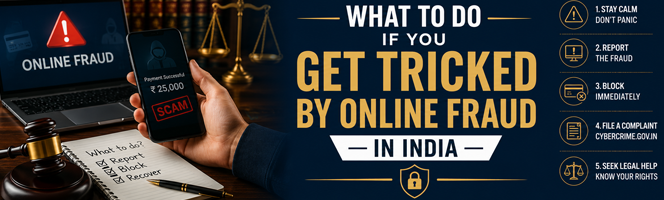
Know the immediate steps to report online fraud, recover your money, file a cyber crime complaint, and seek legal assistance in India.
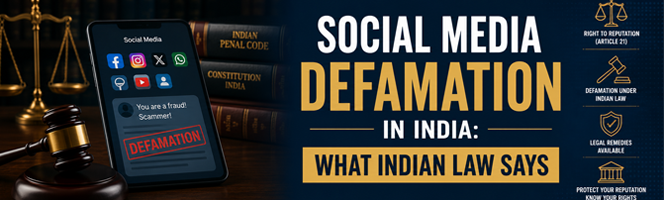
Social Media Defamation in India: What Indian Law Says explains how false statements, fake reviews, edited images, and misleading social media posts can damage the reputation of individuals and businesses.
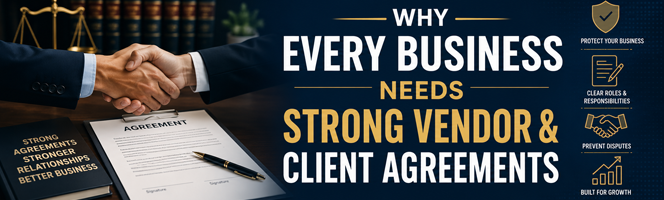
This blog explains the importance of professionally drafted business contracts, including Vendor Contract Agreements, Client Service Agreements, and other commercial legal documents.
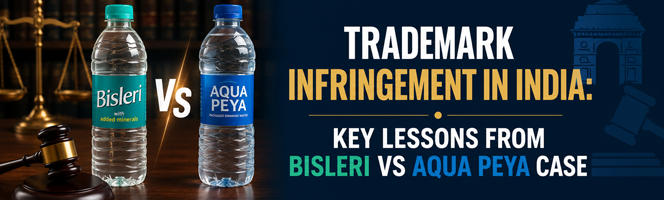
The Bisleri vs Aqua Peya trademark dispute highlights the importance of protecting intellectual property rights and maintaining a unique brand identity in India.
Explore the legal implications of AI-generated brand names, trademarks, branding risks, and the steps businesses should take to secure trademark protection.
WhatsApp chats have become an important form of electronic evidence in Indian legal proceedings, including divorce, family disputes, civil matters, and criminal cases.

This blog explains the importance of Intellectual Property (IP) protection for Instagram businesses, creators, influencers, and startups. It highlights how trademark registration helps protect brand identity, logos, content, and business reputation.