
Benefits of Registering your Business as a Private Limited Company

A Private Limited Company combines aspects of corporate and partnership structures, hence providing shareholders with limited liability. The following are some of the main features:
Limited Liability
Shareholders are liable only to the extent of their investment in the company, thus keeping their personal assets safe from business debts and liabilities.
Separate Legal Entity
A private limited company has its own legal personality that is separate from its owners. In this regard, it can hold property, borrow money, sue and be sued.
Shareholders and Directors
Ownership in a company is denominated by shares which are held by shareholders. The control of the company is vested with directors who may or may not also be shareholders.
Share Transfer Restrictions
Shares in a private limited company are not freely transferable on stock exchange markets like those of public companies; instead they are subject to restrictions that have been spelt out in the Articles of Association (AOA) of such companies.
Privacy
Unlike public companies, private limited companies have reduced obligations regarding detailed financial information placed before them for scrutiny by members of the public.
Registration of a Private Limited Company in India
The number of steps that need to be taken before registering a Private Limited Company in India is controlled by the Ministry of Corporate Affairs (MCA). The following is a detailed outline of the process:
Digital Signature Certificate (DSC) has to be obtained:
A DSC should be there for all proposed directors and subscribers to the Memorandum of Association (MoA) and Articles of Association (AoA). Certified agencies provide digital signature certificates.
Director Identification Number (DIN) should be obtained:
Directors have to possess DIN. This can be done online by using SPICe+ form (incorporation form), and attaching proof of identity and address.
Name Reservation:
Suggest an original name for your company, check its availability, and ensure it in conformity with MCA’s guidelines on naming companies. You can apply for name reservation via ‘RUN’(Reserve Unique Name) facility or directly through SPICe+ form.
Prepare Incorporation Documents:
Draft the Memorandum of Association (MoA) and Articles of Association (AoA), which set out the objectives of the company as well as its rules on internal management.
File Incorporation Form (SPICe+):
Enclose relevant documents:
- Certification of identity and residency for all directors and subscribers
- Address proof of the registered office
- Utility bills that are no more than two months old
- MoA and AoA copies
- Declaration by directors and subscribers
Apply for PAN and TAN:
Also, while filling the SPICe+ form, there is an option to apply for Permanent Account Number (PAN) for the Company by a way of TDS/TCS or any other mode as may be prescribed by CBDT (Central Board of Direct Taxes) in future.
Payment of Fees:
Pay registration fees or stamp duty depending on the state where incorporation takes place and authorized share capital.
Verification and Certificate of Incorporation:
The MCA will scrutinize the document submitted. If satisfied with them, it will issue a certificate which confirms that a company has been incorporated containing a unique Corporate Identity Number (CIN).
Post-Incorporation Compliance:
When incorporated, companies must meet several post-registration necessities such as opening bank accounts in their name, obtaining GST Registration if applicable, etc.
Once incorporated, the company needs to comply with various post-registration requirements, including opening a bank account in the company’s name, obtaining GST registration (if applicable), and filing annual returns.
Benefits of Registering a Private Limited Company in India
Registering a Private Limited Company in India offers several benefits, including limited liability protection for shareholders, ease of raising capital through equity, a distinct legal entity status, perpetual succession, and enhanced credibility with customers, suppliers, and financial institutions. Additionally, it allows for easy transfer of ownership and potential tax advantages.
Latest Blog

Learn how professional legal drafting can protect your rights, prevent disputes, reduce legal risks, and strengthen your position before a case reaches court.

Understand when a husband can seek maintenance from his wife under Indian law. Learn about interim maintenance, financial dependency, court factors, and legal remedies.

Know the immediate steps to report online fraud, recover your money, file a cyber crime complaint, and seek legal assistance in India.

Social Media Defamation in India: What Indian Law Says explains how false statements, fake reviews, edited images, and misleading social media posts can damage the reputation of individuals and businesses.

This blog explains the importance of professionally drafted business contracts, including Vendor Contract Agreements, Client Service Agreements, and other commercial legal documents.
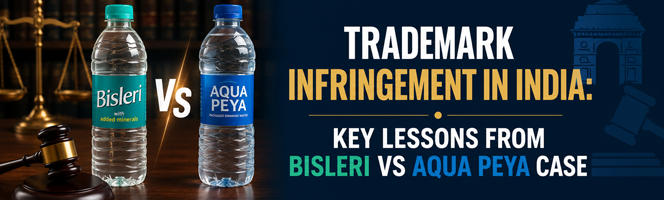
The Bisleri vs Aqua Peya trademark dispute highlights the importance of protecting intellectual property rights and maintaining a unique brand identity in India.

Explore the legal implications of AI-generated brand names, trademarks, branding risks, and the steps businesses should take to secure trademark protection.

WhatsApp chats have become an important form of electronic evidence in Indian legal proceedings, including divorce, family disputes, civil matters, and criminal cases.

This blog explains the importance of Intellectual Property (IP) protection for Instagram businesses, creators, influencers, and startups. It highlights how trademark registration helps protect brand identity, logos, content, and business reputation.