
Rights and Duties of an Insurer and Insured-Explained

India offers monetary stability to both individuals as well as business ventures. Health and life, motor and property just to mention a few, the sector has colossal numbers of policies that are aimed at mitigating risks. The complexity between an insurer and an insured however, is usually confusing. Each of them has the rights and a complex of obligations that should be observed to provide the safety of the claimants and facilitate the transactions. This blog will also give you all the rights in addition to the obligations the insurer has to meet and those of the insured in respect to the Indian laws hence clearing it out what the insurance rights is and the role played by insurance dispute lawyers and insurance claims lawyers.
The Rights of the Insurer
This means that the insurance company, therefore, possess rights in which they are assuring that the underwriter is taking care of what the insurance policy stipulates. The rights include,
-
1. Right to Assess Risk
An assessment of the risk before the issuance of a policy is one of the rights of the insurer. The insurance company is able to request a lot of information regarding the personal, financial, and health terms of the person covered in order to develop an informed decision on whether to accept the policy and at what rate. -
2. Right to Premium Payments
The insured has a right regarding the payment of premiums at the right time to the insurer. In case a default in payment is defaulted when due, then this can result in lapse of cover and any benefits to be enjoyed in case of an event is denied to the insured. The insurance companies are allowed to impose charging interests on late payments or penalty. -
3. Right to Investigate Claims
The insurer is entitled to inquire about this claim and determine its coverage by the insurance. This process of healing the wronged is carried out by insurance claims attorneys. Any insurer is entitled to dismiss the claim or bring a suit in case he suspects fraud by the insurer. -
4. Right of Cancellation of Policy
The insurer provides the circumstances of cancellation of an insurance policy. An example of this is where a client at the application stage provides misleading or false information and does not reveal facts that are very essential to the insured company, the company has the right to cancel the policy. In case of dispute, the intervention of lawyers dealing in insurance disputes can be done to help resolve the dispute between the two parties.
Rights of the Insured
Despite the rights that the insurance company has on its side, the policyholder has also been awarded with a host of rights to protect and benefit with this policy. Their rights include:
-
1. Right to Full Disclosure
The policyholder has a right to the clear and transparent information about the terms and conditions of the insurance policy. That involves the type of coverages, exclusions, the premium value and the process of claims. An insured can seek legal redress in the event that the information has not been availed in a clear manner by the insurer. -
2. Right to Receiving Timely Claims
It is possible that the claim settlement right is the most essential privilege of insurance. The regulations that govern the insurance companies are that the insurance companies are supposed to pay the claims with a maximum of 30 days after the insurance company receives all the documents that are required by either party. In case the insurance companies drag or even reject the claims without any proper justification, it is possible to employ an attorney to battle the justified compensation. -
3. Right to Choose Nominee
As an illustration, an insured with life insurance can choose a nominee to whom he or she wishes to grant the benefits of the policy in case of his death. Subsequently, the concerned beneficiaries receive financial coverage according to the wish of the insured who has purchased the policy. -
4. Right to Portability
The insured individual may also enjoy a right to transfer their policy to another insurer without having to forgo the benefits earned in the case of health insurance policies. This therefore implies that bad services cannot hold the policyholders at the organization and force them to remain there permanently but they can move to other better insurance products as long as they wish. -
5. Right to Grievance Redressal
In case, the insured, due to any reason, believes that he or she is being wronged or there are issues with the settlement of claims then they can lodge their complaint using the grievance redressal means of the insurer. Failure to do so would lead to an insured approaching the Insurance Ombudsman or even making a complaint with the assistance of insurance dispute lawyers.
Duties of the Insurer
Along with the rights are certain obligations of insurers that are guaranteed to maintain appropriate operation within the insurance relationship. Some of these duties include:
-
1. Duty to Act in Good Faith
Generally, an insurer must act in good faith and he must act honestly. This would imply that they are not to lie and misrepresent the insurance owner. Among the legitimate claims, the prompt recognition and implementation without unnecessary complications are required. -
2. Duty to provide documentation of insurance policies
The insurers have the responsibility of providing the insured with the full-fledged copy of the insurance policy, including all the terms and conditions, exclusions, and premiums. In case of failure to offer proper documentation, it will cause dispute and the lawyers involved in the insurance claim might have to step in. -
3. Requirements to Evaluate and Pay Claims
As the insured claims were presented to the insurer, it is the duty of the latter to fairly decide on the claim and close it in due time. Still more than the period or wrongful denial of claims, delays usually result in lawsuits where the insurers could be sued by the insured or his insurance claims attorneys. -
4. Duty to Settle Grievances
The insurance company should possess effective and clear redressal system of grievances. They should provide redressal to the complaints brought up by the insured within a reasonable span of time besides attempting to address any problems, including the rejection of the claim.
Duties of the Insured
The insured too has their responsibilities, so as not to invalidate their policy contract, they have the right to claim all benefits under the same. These are:
-
1. Duty to Provide Proper Information
Some of the larger responsibilities include that of responding to information by the insured on the part of submitting the information when seeking insurance cover. Relevant information that is not disclosed will tend to make the policy voidable and claims may be rejected. Disputes over insurance are frequent cases that the insurance dispute lawyers help clients in cases that involve misinformation that is claimed by the insurer. -
2. Duty to Pay Premiums in Time
The insured has the duty of ensuring that he or she pays premiums. Any default in payment of a premium will lead to the lapse of a given insurance policy where the insured will have no cover at the very time that he or she was supposed to be covered. The legal representatives like insurance claim attorneys will always tend to enter the scene whenever the lapsed policies follow a dispute route. -
3. Duty to Adhere to Claim Procedures
Under the procedure, the insured is supposed to claim in case of an accident, loss or any other incident that should warrant a claim as required by the insurer. This implies that the claims are to be made as per time limits given and the same should be done by producing relevant documents. This can lead to rejection of claims in case it is not done. -
4. Duty to Mitigate Loss
In other types of insurance products such as property or motor, it is the duty of the person who has insured himself or herself to do such measures so as to avoid any further loss due to a loss already incurred. Put differently, this implies that whenever there is a loss or damage, the insured person is supposed to behave reasonably following a loss in order to avoid exacerbating a certain situation.
This would make the relationship very smooth and just since they would understand the rights and the obligations of the insured and the insurer. As much as the insurers retain rights of collecting premiums and investigating claims, they have a responsibility of transparency in claim settlement.
Latest Blog

Learn about BNS Section 69, including false promises to marry, criminal liability, bail options, relevant evidence, and available legal remedies.
Learn about the legal remedies available when police refuse to register an FIR for a cognizable offence under the BNSS. Understand the role of the Superintendent of Police, Magistrate, Section 173(4), Section 175(3), and Zero FIR.

Learn how professional legal drafting can protect your rights, prevent disputes, reduce legal risks, and strengthen your position before a case reaches court.
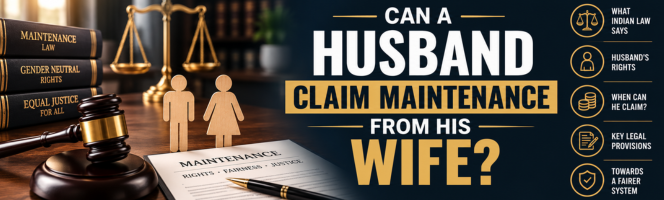
Understand when a husband can seek maintenance from his wife under Indian law. Learn about interim maintenance, financial dependency, court factors, and legal remedies.

Know the immediate steps to report online fraud, recover your money, file a cyber crime complaint, and seek legal assistance in India.
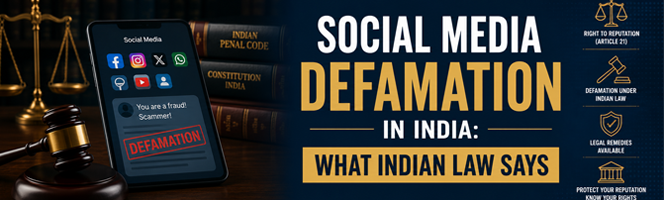
Social Media Defamation in India: What Indian Law Says explains how false statements, fake reviews, edited images, and misleading social media posts can damage the reputation of individuals and businesses.

This blog explains the importance of professionally drafted business contracts, including Vendor Contract Agreements, Client Service Agreements, and other commercial legal documents.
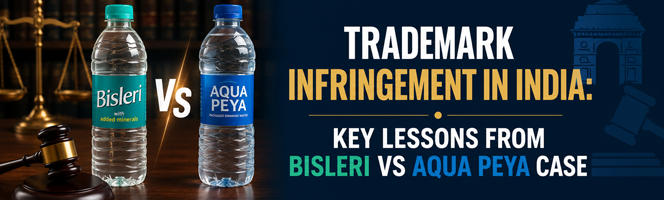
The Bisleri vs Aqua Peya trademark dispute highlights the importance of protecting intellectual property rights and maintaining a unique brand identity in India.

Explore the legal implications of AI-generated brand names, trademarks, branding risks, and the steps businesses should take to secure trademark protection.